Can You Waterproof a Basement From The Inside?

Basement is more than just extra storage space, it’s a necessary part of your home that needs protection from water damage. When you notice damp walls or water seepage, you might wonder if interior waterproofing can solve these issues.

Interior basement waterproofing is a method that uses special sealants, drainage systems, and waterproof coatings to keep your basement dry. It’s often chosen when exterior waterproofing isn’t practical or cost-effective.

Many homeowners prefer interior waterproofing because it’s less disruptive and typically more affordable than exterior methods. While both approaches have their place, interior solutions can effectively manage moisture and prevent water intrusion in most cases.

Interior waterproofing is the first line of defense against basement leaks. From basic sealants to complete drainage system installations, you have several options to protect your home’s foundation from water damage.
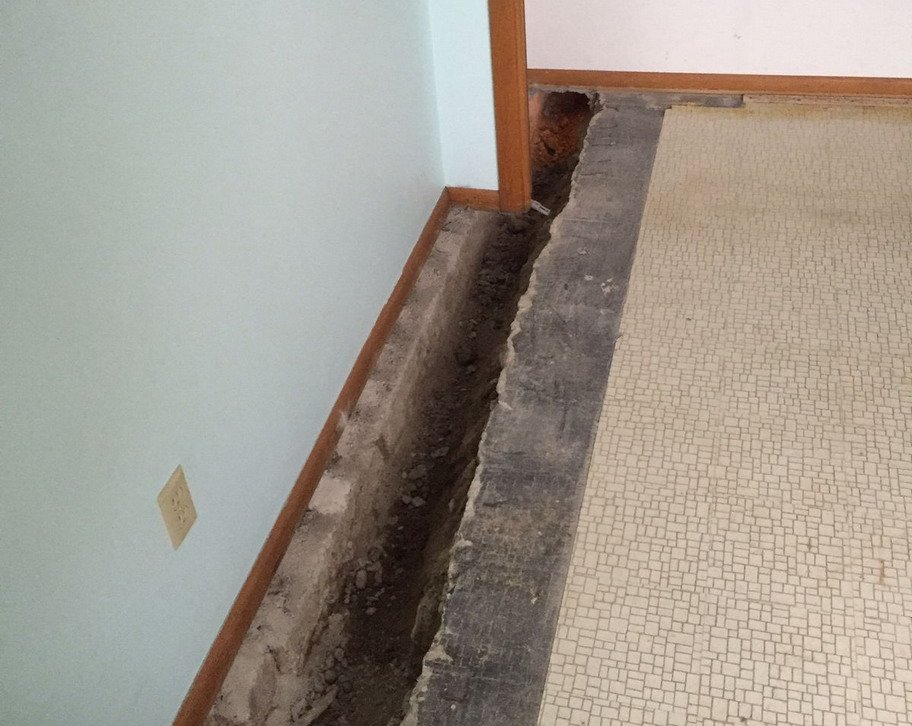
Can you waterproof a basement from the inside

What are the causes of basement water infiltration?

  • Foundation cracks let water seep into your basement through walls and floor, creating paths for moisture during heavy rains or snowmelt.
  • Poor drainage systems around your home cause water to collect near the foundation, increasing hydrostatic pressure against basement walls.
  • High water tables and saturated soil outside push moisture through concrete pores, leading to damp basement conditions.
  • Window wells without proper drainage become collection points, directing excess water toward your foundation wall and basement interior.
  • Inadequate grading or slopes toward your house allow water to flow towards rather than away from the foundation.

These basement water problems show why proper waterproofing methods are essential for your home’s protection.

6 reasons you should invest in interior waterproofing

  1. Interior waterproofing can be completed without disturbing landscaping or outdoor features, making it less invasive than exterior methods.
  2. Work can be done year-round regardless of weather conditions, allowing for greater scheduling flexibility and immediate solutions.
  3. Costs are typically lower since no excavation is required, saving homeowners significant money on equipment and labor.
  4. Installation is quicker than exterior methods, usually taking days instead of weeks to complete the waterproofing process.
  5. Effectively controls indoor humidity and prevents mold growth by creating a barrier against moisture penetration into living spaces.
  6. Protects stored items and finished basement spaces while maintaining the structural integrity of your foundation walls.

4 popular interior waterproofing techniques

Sealants and coatings

Keeping your basement dry starts with proper sealants and coatings. A quality waterproof coating creates a strong barrier against moisture on your basement walls. You’ll want to clean the walls thoroughly before applying hydraulic cement to seal any visible cracks.

For deeper cracks, epoxy injections work wonders to prevent water seepage and strengthen the foundation wall.

Interior drainage systems

A well-designed interior drainage system helps direct water away from your home’s foundation. By installing an interior French drain along your basement floor, you can effectively manage water intrusion.

This system collects excess water before it seeps into the basement and channels it away from the foundation, helping maintain a dry basement environment.

Sump pump systems

Installing a sump pump is one of the most effective methods to waterproof your basement from the inside. The system works by collecting water in a basin and automatically pumping it away from your home.

A properly installed sump pump system can prevent water damage and protect against hydrostatic pressure that often causes basement leaks.

Vapor barriers and insulation

Your interior basement waterproofing project isn’t complete without proper vapor barriers. These specialized membranes work alongside moisture-resistant insulation to keep your basement stays dry.

The waterproof membrane creates a barrier that prevents water from entering your basement while controlling condensation on walls and floor. This combination offers excellent protection against mold growth and water-related issues.

Materials and products commonly used in interior waterproofing

  • Crystalline waterproof sealants penetrate deep into basement walls, creating a permanent moisture barrier that bonds with concrete to seal cracks.
  • Heavy-duty polymer membranes with ICC certification offer superior protection against hydrostatic pressure and water seepage in your basement.
  • WaterGuard drainage channels, installed along basement walls, effectively collect and direct water to the sump pump system.
  • High-grade hydraulic cement patches seal leaks instantly, while epoxy-based coatings provide long-lasting waterproof protection for interior walls.
  • Modern silicate-based waterproofing products transform your porous basement surface into a water-resistant barrier without trapping moisture inside.

4 installation steps of interior basement waterproofing

  1. Begin by conducting a thorough inspection of your basement to identify water damage patterns, active leaks, and potential entry points. Document all findings and measure moisture levels to establish a baseline for repairs.
  2. Surface preparation is important. Remove old paint, clean walls thoroughly, and repair visible cracks using hydraulic cement. For larger cracks, consider using epoxy injection methods for a more permanent solution.
  3. Install your chosen waterproofing system according to manufacturer specifications. Whether applying surface coatings or installing drainage channels, proper technique is essential. Pay special attention to corners and joints where leaks commonly occur.
  4. Finally, complete the installation by adding drainage systems and sump pumps if required. Test all systems thoroughly and monitor the basement for several weeks to ensure effectiveness. Remember to maintain detailed records of the installation for future reference and warranty purposes.

Pros and cons of interior vs exterior waterproofing

Interior waterproofing is ideal for addressing minor water seepage and is particularly effective in finished basements. It’s less disruptive to your landscape and typically more budget-friendly, making it a popular choice for many homeowners.

However, interior methods have their limitations. While they manage water that enters the basement, they don’t address the root cause of external water pressure. This could potentially lead to structural issues if left unaddressed over time.

Exterior waterproofing, though more expensive and invasive, provides comprehensive protection by preventing water from reaching foundation walls. It’s especially crucial for homes in areas with high water tables or severe drainage issues.

Both methods require different maintenance approaches. Interior systems need regular sump pump checks and drain cleaning, while exterior solutions, once properly installed, generally require minimal maintenance but are harder to access for repairs.

5 limitations of interior waterproofing

  1. Interior waterproofing may miss hidden entry points, requiring thorough inspection and multiple treatment applications for complete protection.
  2. External water pressure can persist despite interior treatments, potentially leading to long-term structural damage.
  3. Maintenance demands include regular inspection of sealants, drainage systems, and sump pumps to ensure continued effectiveness.
  4. Some waterproofing materials may need reapplication every couple of years, especially in areas with high moisture exposure.
  5. Interior solutions alone might not address underlying drainage issues, requiring complementary exterior improvements for optimal results.

Combining both interior and exterior methods often provides the most comprehensive protection against water infiltration.

Maintenance and monitoring 

Regular inspection of your waterproofing system is crucial for early detection of potential issues.

  • Check for signs like water stains, mold growth, or musty odors at least every three months, particularly after heavy rainfall.
  • Maintain your system by regularly cleaning drainage channels and testing sump pumps.
  • Consider installing humidity sensors and water detectors to provide real-time alerts about moisture levels in your basement.
  • Most waterproofing solutions remain effective for 10-15 years, but this varies based on installation quality and environmental conditions.
  • Schedule professional assessments every 2-3 years to ensure your system continues to provide adequate protection against water infiltration.

Get expert foundation waterproofing in Fredericton, NB

A leaky basement can quickly turn from a small inconvenience into a serious problem. Instead of trying temporary DIY fixes, let the professionals at Atlantic Brick and Stone take care of it the right way.

Our experienced team provides foundation waterproofing in Fredericton that seals out moisture and protects your home’s structure for the long term. With our reliable solutions, you can enjoy peace of mind knowing your basement stays dry and secure all year round.

Final thoughts

  • Interior waterproofing uses sealants, drainage systems, and coatings to prevent basement water intrusion, offering a cost-effective and less disruptive solution.
  • Common causes of water infiltration include foundation cracks, poor drainage systems, high water tables, and improper grading around the home.
  • Key methods include sealants for cracks, interior drainage systems, sump pumps, and vapor barriers to manage moisture and prevent mold growth.
  • Costs vary based on the scope of work, with interior methods generally cheaper than exterior solutions, increasing property value over time.
  • Regular maintenance is crucial, including inspections of sealants and drainage systems, as well as professional assessments every 2-3 years for effective protection.

FAQ’s about interior basement waterproofing

How long does interior waterproofing last?

Interior waterproofing typically lasts between 10-20 years when professionally installed and using high-quality materials. The lifespan depends on factors like environmental conditions, water pressure, and regular maintenance of drainage systems and sealants.

Can interior waterproofing fix structural cracks?

Interior waterproofing can effectively seal small, non-structural cracks in basement walls. However, for larger structural cracks that indicate foundation movement or serious damage, professional foundation repair from the outside is necessary. Foundation stabilization methods are typically required to address significant structural issues.

Get Your Basement Waterproofing Estimate Online Now!

GET STARTED

START MASONRY PROJECT THE RIGHT WAY

Create stunning structures with our residential and commercial masonry services in Fredericton. From meticulous designs to the completed build, our process is professional and rewarding, and we can’t wait to build your dream with you.

Atlantic Brick and Stone, one of the best masonry contractors in Fredericton, NB

Contact

8 Muskie Street, Lower Kingsclear, New Brunswick E3E 0E7, Canada

Scroll to Top