
The first hard freeze rarely gives much warning. One day the patio looks fine; the next, a hairline crack is wider. Water has been slipping into tiny gaps in brick, stone, and concrete and pushing them apart. Without winterizing masonry before this happens, quiet damage can turn into a major repair bill by spring.
Masonry feels solid and permanent, yet it is full of tiny pores. When water seeps in and freezes, it expands and forces those pores open even more. Each freeze–thaw cycle widens cracks, weakens mortar, and makes surfaces more likely to flake and crumble. Skipping pre-winter maintenance often means paying far more for major repairs once the snow melts.
At Atlantic Brick and Stone, we see the results of harsh New Brunswick winters every year. With more than fifteen years of hands-on experience, we help property owners protect and repair brick, stone, and concrete before cold weather takes over. This guide shares practical tips on winterizing masonry structures, from simple checks a homeowner can handle to expert work that needs a mason, so you know what to look for, what to fix now, and when to call our team.
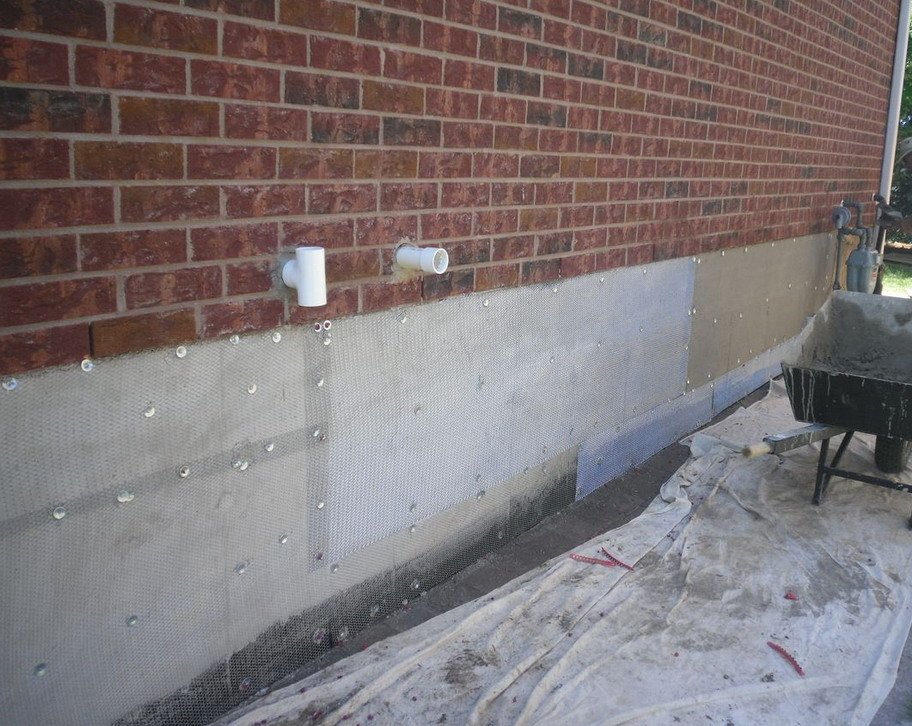
When we talk with homeowners about winter damage, the freeze–thaw cycle is always at the center. Masonry has countless tiny openings that water can enter. Once temperatures drop below freezing, that water turns to ice, expands by about nine percent, and presses outward from inside the brick, stone, or concrete.
This does not happen just once a season. In much of New Brunswick and the northern United States, temperatures move above and below freezing many times. With each swing, more water seeps in, freezes, and expands. Over time this leads to flaking surfaces on brick or stone, known as spalling, wider cracks, and mortar joints that crumble. Ignored long enough, steps and walkways can even shift.
De-icing chemicals add stress. Traditional rock salt is especially hard on masonry. It can react with concrete and mortar, speed up surface breakdown, and leave stains on brick and stone. When salt-soaked water penetrates the surface and then freezes, it can cause deeper damage than plain water alone.
Poor drainage makes everything worse. If water pools near foundations, retaining walls, or the base of steps, the masonry stays saturated for long periods. A soaked wall holds far more water that can freeze from the inside. We often see this on patios, driveways, and walks where grading is poor or downspouts discharge too close to masonry.
Some elements take most of the abuse: exterior steps, paver patios, driveways, retaining walls, chimneys, and exposed facades. At Atlantic Brick and Stone, we regularly repair broken step corners, leaning walls, and chimney crowns split wide open after only a few harsh winters. In nearly every case, small cracks were present years earlier and could have been handled quickly with a simple repair.
The best time to protect masonry is before the first deep freeze, when temperatures are cool but not bitter. Pick a dry, bright day in late fall and walk your property slowly. The goal is to spot anything that lets water in or suggests movement or settling.
As you walk, focus on these areas:
Whenever you see long cracks, loose bricks, or a chimney crown that is already broken, it is time to bring in a mason. During an Atlantic Brick and Stone inspection we look beyond surface issues and often find hidden weaknesses. Caught early, these problems usually stay small and far less expensive.
Once weak spots are found, repairs should come before winter takes hold. Even hairline cracks that seem harmless can grow fast once water freezes inside them. Every small gap is a doorway for moisture.
Common pre-winter masonry repairs include:
Across all masonry repair types, we use quality materials and proven methods backed with warranties.
Sealing is one of the most effective ways to protect masonry from winter moisture. For most exterior brick, stone, and concrete, a penetrating sealer is the best choice. These products soak in and create a water-repellent barrier inside the material.
Film-forming sealers, which leave a visible layer, can peel or trap water beneath them, causing more harm than good on exterior surfaces.
Surfaces that benefit most from sealing include patios, driveways, walkways, steps, stone veneer, and retaining walls. In freeze–thaw climates, resealing every two to three years is recommended. Surfaces must be thoroughly cleaned and fully dry before sealing.
Weather conditions matter. The best results come on dry days with mild temperatures. At Atlantic Brick and Stone, we apply commercial-grade sealers for longer-lasting protection.
Not all parts of a property face the same level of winter stress. Steps, basement walkouts, the base of retaining walls, and joints around windows and doors collect more water and see bigger temperature swings, so a focused protection plan here makes a big difference.
Weather-resistant caulking is especially helpful where masonry meets other materials. Around window and door frames, check for gaps between the frame and the brick or stone and seal them with flexible exterior-grade caulk. This keeps water and cold air out of the wall system and supports the work the masonry is doing.
Good drainage is just as important as strong materials. Gutters and downspouts should carry water well away from foundations and hardscapes, not dump it onto steps or patios where it can pool and freeze. In some cases we suggest longer downspout extensions, minor grading changes, or French drains to move water away from masonry. Keeping soil and gravel sloped away from walls reduces the moisture load they must resist.
Along paver patios and walks, solid edging keeps the pattern tight and the base stable, which helps prevent joints from opening. For new or delicate masonry, such as freshly built steps or a recently rebuilt wall, we may recommend temporary insulating covers during a deep cold snap.
Chimneys also benefit from regular checks to confirm the crown and cap are sound and that water is not sneaking in around the flue. When we review a property, we look at masonry and drainage together, because even the best workmanship will struggle if water is constantly gathering against it.
How snow and ice are handled on a property can either protect or harm masonry surfaces. Many people reach for rock salt as soon as things get slippery, but this common product is very harsh on concrete, brick, and stone. It can break down the binders in mortar and concrete, leave white stains, and speed up cracking and surface flaking. Using it year after year often leads straight to costly repairs.
There are safer options. Calcium magnesium acetate (CMA) is much less corrosive to masonry and is a better choice near concrete and stone. Sand is another strong tool because it gives excellent traction without any chemical action on the surface, especially on steps and walkways where grip matters most.
Shoveling technique matters too. Metal-edged shovels can scrape and chip pavers and concrete, especially when someone is trying to break off thin ice. We recommend plastic or rubber-edged shovels or snow pushers, which move snow without gouging the surface. Clearing snow soon after a storm keeps it from packing into thick ice that is hard to remove without heavy chemicals.
De-icer marketing can be confusing, so read labels carefully and think about long-term costs. A slightly more expensive masonry-safe product, combined with smart shoveling, often saves money by avoiding damage. High-traffic areas such as front walks, commercial entries, and exterior stairs deserve special attention and regular clearing throughout the winter.
A careful homeowner can handle many tasks, yet some parts of masonry winterization truly call for professional help. Without training and experience, it is easy to miss a structural crack, choose the wrong repair material, or apply a sealer that does not fit the surface. These mistakes may not show right away but can shorten the life of masonry and raise repair costs later.
Atlantic Brick and Stone offers complete winter preparation for masonry, including detailed inspections, mortar repointing, crack repair, chimney maintenance, sealing, drainage improvements, and structural reinforcement where needed. With more than fifteen years working through harsh New Brunswick winters, we understand how freeze–thaw cycles affect local soils, foundations, and exterior walls on both homes and commercial properties.
Historic buildings are a special focus. Older brick and stone often need softer mortars and careful methods to stay healthy through many winters. We match materials and techniques to the age and style of the building so that repairs protect both strength and appearance. We also use commercial-grade products that are not usually found on store shelves, delivering longer-lasting protection in tough weather.
When we assess a property, we look beyond what is easy to see. We study crack patterns, wall movement, likely water paths, and the condition of supporting elements such as footings and drainage. As a fully licensed, bonded, and insured contractor, we stand behind our work with clear warranties. In most cases, the cost of professional winterization is far less than one major repair after several seasons of neglect, so we encourage owners to schedule a visit before the first hard freeze.
Yes. Even tiny cracks can cause big trouble once winter arrives. Water seeps into these hairline openings and then expands when it freezes, forcing the crack wider with every freeze–thaw cycle. Over a single season this can lead to spalling, chipping, and much larger structural issues.
In most cases, exterior masonry should be sealed every two to three years. The exact timing depends on the type of material, sun and weather exposure, and how much foot or vehicle traffic it receives. Strong sun and heavy use can shorten the life of a sealer. During inspections, Atlantic Brick and Stone can check your surfaces and advise when a fresh coat is needed.
For most masonry, calcium magnesium acetate (CMA) is a much safer choice than common rock salt. It melts ice without the same harsh chemical attack on mortar and concrete. Sand is also very helpful, since it provides traction with no chemical reaction at all. While these products may cost a bit more at the store, they often save money by avoiding damage and later repair work.
Yes, chimneys are among the most exposed masonry features on a building. Before winter, it is important to check the crown or cap for cracks, inspect the flashing where the chimney meets the roof, and review all mortar joints for gaps. Water entry here can damage both the chimney and the interior of the house. Atlantic Brick and Stone offers specialized chimney repair and maintenance to keep these tall structures safe and sound.
Many homeowners can handle simple tasks such as basic cleaning, light caulking, and applying sealer to small areas. However, professional masons bring deeper knowledge and can spot issues that are easy to miss. We perform expert repointing, use commercial-grade products, and back our work with warranties. At Atlantic Brick and Stone, we often find hidden problems during winterization that would have become costly repairs if left alone.
GET STARTED
Create stunning structures with our residential and commercial masonry services in Fredericton. From meticulous designs to the completed build, our process is professional and rewarding, and we can’t wait to build your dream with you.
Atlantic Brick and Stone, one of the best masonry contractors in Fredericton, NB
Contact
8 Muskie Street, Lower Kingsclear, New Brunswick E3E 0E7, Canada