
You are inspecting your basement after Fredericton’s harsh winter, and you notice a thin vertical line running down your foundation wall. At first glance, it seems harmless. But as spring’s snowmelt arrives, you discover moisture seeping through that same crack, pooling on your basement floor. What started as a hairline fracture has become a pathway for serious water damage.
Vertical concrete cracks are different beasts entirely from their horizontal counterparts. While a crack in your driveway might accept a simple self-levelling product, that same material will literally run down your basement wall before it even begins to cure. Gravity isn’t just a minor inconvenience in vertical repairs, it’s the fundamental challenge that separates successful, lasting repairs from complete failures that waste your time and money.
In Atlantic Canada’s challenging climate, where temperatures swing from -25°C in January to +30°C in July, your concrete endures relentless freeze-thaw cycles. Each cycle drives water deeper into cracks, where it freezes and expands by approximately 9%. This expansion force slowly tears your concrete apart from the inside. Without proper intervention using materials and techniques specifically designed for vertical applications, these cracks progressively worsen until you’re facing structural damage that costs thousands to remediate.
This guide reveals the professional-grade vertical concrete crack repair methods that Atlantic Brick and Stone has refined over 15 years of serving Fredericton homeowners and commercial property owners. You’ll discover which materials actually work on vertical surfaces, when specialized waterproofing systems are necessary, and how to distinguish between minor repairs you might tackle yourself versus situations demanding certified expertise. Most importantly, you’ll learn how to protect your property investment with repairs that actually last through Canadian winters.
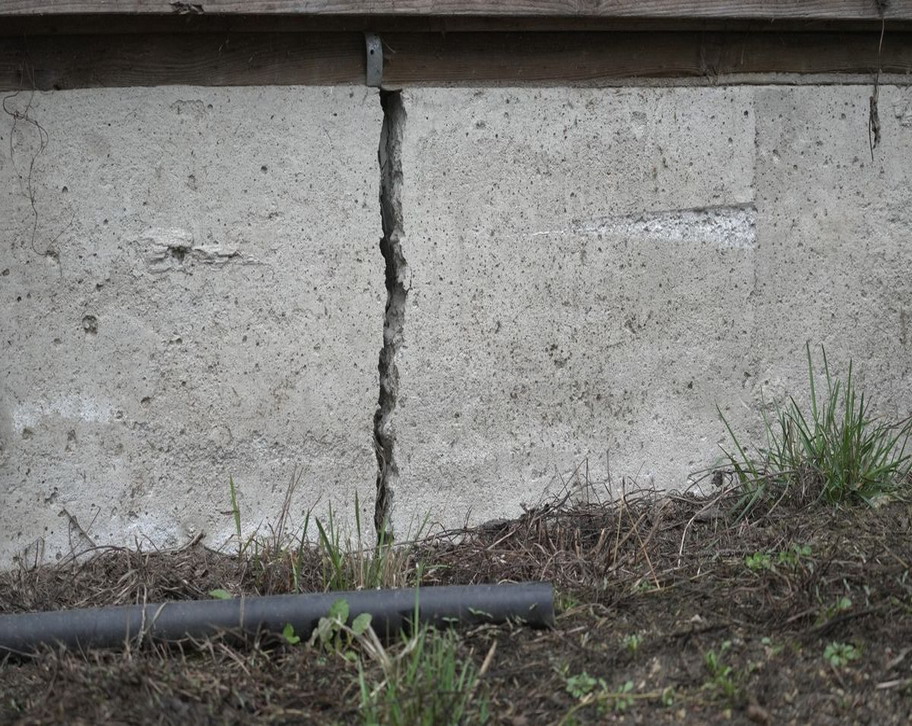
Concrete in the Fredericton region faces environmental conditions that accelerate deterioration. Seasonal temperature fluctuations create a punishing cycle of contraction and expansion, stressing weaknesses and turning minor imperfections into visible cracks that grow with each season.
Freeze-thaw cycling represents the most destructive force on concrete in Atlantic Canada. When water infiltrates cracks and freezes, it expands approximately 9%, generating pressure that exceeds concrete’s tensile strength. The crack widens, more water penetrates, and the cycle repeats 30 to 50 times each winter.
Vertical cracks appear in several common locations:
Foundation wall cracks often indicate settlement, hydrostatic pressure, or inadequate drainage
Basement wall cracks may signal excessive moisture, poor construction, or structural movement
Retaining wall cracks frequently result from soil pressure, poor drainage, or insufficient reinforcement
The location and pattern provide diagnostic information for addressing root causes rather than cosmetic symptoms.
Early spring presents the critical window for assessment. After snowmelt saturates the ground, active water infiltration becomes obvious through damp spots, efflorescence, or seepage. This reveals whether last year’s small crack has become a genuine problem.
Visual inspection should measure crack width using a comparator card or ruler. Hairline cracks under 1mm may be cosmetic. Cracks between 1-3mm warrant monitoring and sealing. Anything exceeding 6mm demands professional evaluation, often indicating significant movement or failure. Look for water staining, rust deposits suggesting reinforcement corrosion, or displacement where one side sits higher. These signs elevate a crack from minor maintenance to structural concern.
Pattern matters tremendously. A single vertical crack might represent normal shrinkage. Multiple interconnected cracks forming step patterns, horizontal components, or map cracking suggest serious issues like foundation failure or excessive settlement. Atlantic Brick and Stone’s certified specialists routinely assess these patterns to determine appropriate intervention.
Walk into any hardware store, and you’ll find concrete repair products claiming to fix “all cracks.” What labels rarely mention is that many are formulated for horizontal surfaces and will fail on vertical walls.
The fundamental challenge is gravity. Self-levelling sealants and fast-setting polyurethanes work on garage floors because gravity helps them flow into cracks. Apply that same product to a vertical wall, and it runs down in streaks, never filling the crack. You’re left with a mess on the floor and an unsealed crack still allowing water infiltration.
Manufacturers state these limitations in technical sheets, though retail packaging obscures this information. Fast-setting products explicitly note “not suitable for vertical crack applications” in their documentation. Yet homeowners purchase them expecting universal application, leading to predictable failure.
Rigid cementitious products represent another common mistake. Traditional concrete patching compounds create hard, inflexible repairs that seem logical. The problem emerges during seasonal temperature changes. As your foundation expands and contracts, rigid patches cannot accommodate this movement. They break loose from surrounding material, often in larger chunks than the original crack, leaving you worse off than before.
Three critical properties define successful vertical crack repair materials:
Non-sag viscosity ensures the material stays in place rather than flowing downward before curing
Flexibility after curing allows the repair to move with seasonal concrete expansion without losing adhesion
Proper adhesion to damp concrete proves necessary because vertical cracks, especially in foundations, exist in perpetually moist conditions where dry-only adhesives fail
Atlantic Brick and Stone specifies professional-grade polyurethane sealants because they deliver all three requirements. The paste-like consistency resists gravity. The rubber-like texture accommodates movement. The formulation bonds effectively to damp substrates. This isn’t about expensive materials—it’s about matching product capabilities to vertical application demands.
Material selection separates repairs lasting 10-20 years from those failing within months. Atlantic Brick and Stone matches specific repair systems to individual conditions through thorough crack assessment.
Non-sag polyurethane sealants like Vulkem 116 serve as the industry standard for dry vertical cracks in foundations and retaining structures. These materials maintain position on vertical surfaces with thicker viscosity throughout application and curing. They achieve a flexible, rubber-like consistency accommodating ±25% movement in Canadian climates without breaking bonds. Properly applied, these sealants provide 10-20 years of service life, withstanding freeze-thaw cycles and temperature extremes from -40°C to +80°C.
Standard 300ml cartridges fit professional caulking guns for precise control. Proper technique starts at the crack’s bottom, working upward to prevent air pockets, with immediate tooling for proper adhesion. Curing progresses over 24-72 hours depending on conditions.
Crystalline waterproofing systems address vertical cracks with active water infiltration. The Krystol three-component system changes how concrete responds to water:
Krystol Plug stops active flow through rapid-setting hydraulic cement
Krystol Repair Grout provides structural filling that bonds permanently to surrounding concrete
Krystol T1 coating penetrates pores and reacts with moisture to form crystalline structures, creating permanent waterproofing that improves over time
Epoxy injection systems serve structural repairs requiring full-depth filling and strength restoration. These low-viscosity resins penetrate completely through walls when injected under pressure. Once cured, epoxy creates bonds that restore nearly 100% of original strength. This methodology suits situations where structural integrity matters most, though cost limits its use to genuine structural concerns.
Material selection starts with crack width measurement. Hairline cracks under 1mm accept thin sealants. Cracks from 1-6mm work with standard polyurethane sealants. Wider cracks exceeding 6mm require professional evaluation. Water infiltration fundamentally changes material selection—dry cracks accept standard sealants, while wet cracks demand waterproofing systems.
The distinction between structural and cosmetic classification determines intervention level. Cosmetic cracks accept straightforward sealant repairs. Structural cracks indicate foundation movement or serious issues, requiring engineering assessment before repair. Atlantic Brick and Stone’s 15 years of experience enables accurate classification that prevents both over-treatment and inadequate response.
Active water seepage through vertical foundation cracks during spring thaw or heavy rain events demands more than surface sealing. Hydrostatic pressure—the force of groundwater pushing against foundation walls—easily defeats surface-applied sealants by forcing water through concrete from behind. The water finds paths through the concrete matrix, emerging through the crack even when surface sealing appears intact.
Crystalline waterproofing technology creates chemical barriers within concrete pores themselves rather than relying on surface films. The treatment materials contain reactive compounds that combine with moisture and unhydrated cement particles to form insoluble crystals. These crystals physically block water passages through capillaries and microcracks in the concrete structure. Unlike surface sealants that can peel or wear away, crystalline waterproofing becomes part of the concrete itself.
The rapid-setting nature of Krystol Plug proves critical when water actively flows through cracks. Mixed with ice-cold water to maximize working time, the material must be applied in layers no thicker than 12mm, pressed firmly into prepared channels, and held in place while initial set occurs. Within minutes, it hardens enough to physically stop water flow under pressure. This isn’t about waiting for curing—it’s about mechanical blockage that halts infiltration almost immediately.
Atlantic Brick and Stone’s certified expertise in three-component application sequencing makes each material serve its specific purpose. The plug stops water, allowing dry conditions for the structural repair grout. The grout restores mechanical strength and continues crystalline waterproofing deeper into the concrete. The T1 coating extends protection beyond the visible crack, addresses the broader affected zone, and facilitates proper curing conditions for the underlying repairs.
Wet curing for 3-7 days after T1 application activates maximum crystalline waterproofing performance. Keeping the repair area continuously damp allows crystal formation to progress throughout the concrete matrix rather than stopping at surface depths. This requirement demands commitment to the process—covering repairs with plastic sheeting, regularly spraying water underneath, and preventing premature drying during the critical development period. The extra effort delivers waterproofing that becomes more effective over months and years as crystalline structures continue forming and self-sealing new microcracks through ongoing chemical reactions.
Fredericton’s seasonal temperature swings from deep winter cold to summer heat create concrete expansion and contraction ranges that rigid repair materials simply cannot accommodate. Temperature-driven dimensional changes might seem small—concrete’s coefficient of thermal expansion produces only about 10 micrometers per meter per degree Celsius. But across a several-meter-long foundation wall experiencing a 55°C annual temperature range, you’re looking at several millimetres of cumulative movement.
Polyurethane sealants accommodate ±25% movement without adhesive failure, meaning a 10mm crack can expand to 12.5mm or contract to 7.5mm while the repair maintains its seal. This flexibility comes from the cured material’s rubber-like elasticity. When concrete expands, the sealant stretches. When concrete contracts, the sealant compresses. Throughout these cycles, adhesive bonds to concrete faces remain intact because the material itself absorbs movement stresses.
Rigid cementitious patches might appear logical for concrete repairs, after all, you’re replacing concrete with a concrete-like material. The fundamental problem is that rigid patches cannot move with the parent concrete. When thermal cycling occurs, stress concentrates at the patch perimeter where rigid and flexible materials meet. The inevitable result is adhesive failure, where the patch breaks loose from surrounding concrete, or cohesive failure, where cracks form through the patch itself.
Appropriate applications for rigid materials do exist. Cosmetic surface repairs addressing spalling, minor chips, or aesthetic imperfections can use cementitious compounds successfully when the repair doesn’t span an active crack. Filling voids, levelling surfaces, and reconstructing damaged edges all suit rigid materials. The critical distinction is whether the repair must accommodate ongoing movement. Active cracks require flexibility. Static damage accepts rigidity.
Shore hardness specifications quantify material flexibility. Shore A readings between 20-40 indicate moderately soft, highly flexible materials suitable for movement accommodation. Higher Shore values approaching 60-80 represent firmer materials with less flexibility. Technical data sheets provide these specifications, allowing informed material selection based on expected movement conditions and performance requirements.
Our systematic vertical crack repair starts with on-site inspection by certified specialists who evaluate crack characteristics, measure dimensions, test for water infiltration, and identify structural concerns. This diagnostic phase determines whether you’re dealing with cosmetic issues or serious underlying problems.
Crack cause diagnosis matters because addressing symptoms without fixing causes guarantees recurring problems:
Settlement cracks result from soil subsidence, often requiring underpinning or soil stabilization
Hydrostatic pressure cracks indicate drainage problems, demanding improved gutters, downspout extensions, or perimeter drain installation
Freeze-thaw damage reflects water infiltration paths requiring sealing and drainage correction
Structural deficiency cracks signal inadequate reinforcement or excessive loading needing engineering approaches beyond simple sealing
Surface preparation ensures optimal adhesion and performance. Every crack receives mechanical cleaning to remove loose concrete, failed repairs, efflorescence, and contaminants. For deteriorated areas, we route cracks to create clean, sound surfaces. With active water infiltration, channel preparation creates rectangular geometry for crystalline waterproofing systems, ground to approximately 25mm depth and 40mm width.
Backer rod installation is critical for wider concrete crack repairs. Proper sizing uses foam rod approximately 25% larger than crack width, providing snug retention. Positioning controls sealant depth—typically 6-12mm from surface—achieving ideal width-to-depth ratio. The rod creates two-sided adhesion, allowing proper stretch and compression during concrete movement rather than three-sided adhesion that causes premature failure.
Professional sealant application monitors temperatures to meet manufacturer minimums, typically 4-10°C for polyurethanes. We employ bottom-to-top application on vertical surfaces to prevent air pockets, maintaining steady pressure while moving upward. Proper tooling immediately presses sealant against crack faces, eliminates voids, and creates flush finish preventing water accumulation.
Curing protection shields repairs from rain, debris, and freezing during initial cure. While some materials set within hours, full cure typically requires 24-72 hours for polyurethanes and longer for crystalline systems.
Quality verification includes post-cure inspection to confirm complete filling, proper adhesion, appropriate finish, and absence of defects. For waterproofing repairs, we perform water testing to verify no penetration. All work receives documentation supporting warranty activation.
Active water leaks through vertical cracks demand specialized intervention beyond standard surface sealing. Atlantic Brick and Stone’s waterproofing process starts with creating proper channels for crystalline system installation. Using diamond grinding equipment, we cut rectangular channels approximately 25mm deep and 40mm wide along the full crack length. The rectangular profile rather than V-shape provides adequate material depth for the three-component system while creating vertical sides that mechanically key the repair materials.
Krystol Plug application begins while water still flows through the crack. Working in small batches mixed with ice-cold water to maximize the brief working time, we press the rapid-setting material firmly into the channel, starting from areas of heaviest water flow. Each application layer stays under 12mm thickness to verify complete set and mechanical integrity. We hold the material in position for several minutes while initial set occurs, generating noticeable heat as the chemical reaction progresses. This isn’t coating over water—it’s physically plugging flowing leaks through pressure-resistant rapid-set material.
Once water flow stops and the plug layer achieves initial hardness, structural filling proceeds with Krystol Repair Grout. This modified cementitious material bonds to both the underlying plug and the surrounding concrete, restoring mechanical strength while continuing the crystalline waterproofing deeper into the concrete matrix. Like the plug, it requires small-batch mixing with cold water and firm application pressing material into complete channel contact. The surface layer is left slightly recessed, approximately 3-6mm below the surrounding concrete face.
Krystol T1 surface coating application extends waterproofing well beyond the visible crack zone. We apply this slurry coating to saturated-surface-dry concrete, covering the repair and extending at least 300mm on all sides. This broad application addresses the reality that water finding one crack path may be migrating through surrounding concrete as well. The coating penetrates surface pores, reacts with residual moisture and unhydrated cement, and begins forming the crystalline structures that create permanent waterproofing.
Wet curing procedures activate crystalline formation throughout the concrete matrix. After allowing 6-24 hours for initial coating cure, we begin daily wetting of the repair zone, cover it with plastic sheeting to prevent evaporation, and maintain moist conditions for a minimum of three days. This moisture retention allows chemical reactions to progress deeply rather than stopping at surface depths, developing the comprehensive waterproofing that makes crystalline systems effective.
Atlantic Brick and Stone’s 1-Year Concrete Warranty covers these waterproofing repairs against major cracking due to defective materials or workmanship, providing peace of mind that your investment will perform as promised. Our experience with these systems across hundreds of Fredericton properties gives us confidence in their long-term effectiveness when properly installed and cured.
Using horizontal products on vertical surfaces tops the list of preventable failures. Self-levelling products are cheaper and more available than specialized non-sag formulations, but gravity always wins, leaving streaked walls, incomplete crack filling, and continued water infiltration.
Inadequate surface preparation undermines even properly selected materials. Sealing over loose concrete creates a bond to material with poor adhesion to the parent structure. The repair may initially appear successful but fails within weeks or months. Efflorescence must be thoroughly removed because sealants cannot bond through this contamination. Previous failed repairs require complete removal rather than sealing over them.
Improper backer rod usage manifests in several ways:
Undersized rods fall out before sealant application
Oversized rods make installation difficult and can push back out under compression
Deep positioning wastes expensive sealant and may prevent proper cure of thick layers
Shallow positioning leaves inadequate depth for durability and movement accommodation
Temperature violations during application are common in spring and fall when daytime temperatures seem adequate but substrate concrete remains cold-soaked. Applying polyurethane sealants when concrete temperatures sit below manufacturer minimums results in materials that never fully cure, remaining tacky or developing poor physical properties. Attempting repairs during rain or before forecasted precipitation introduces moisture that interferes with proper curing and adhesion.
Sealing expansion joints with rigid materials fundamentally misunderstands their purpose. Expansion joints accommodate concrete movement by providing predetermined failure planes that prevent random cracking elsewhere. Filling these joints with rigid cementitious materials transfers stresses to adjacent concrete, often causing new cracks. Even within flexible sealants, three-sided adhesion where material bonds to joint bottoms restricts necessary movement and causes premature failures.
Failing to address root causes represents perhaps the most expensive mistake. Cosmetically sealing a crack caused by ongoing settlement without addressing soil stability guarantees the crack will reopen or new cracks will form. Sealing foundation cracks without fixing drainage problems means continued water infiltration through the repaired crack or through new paths elsewhere. Diagnostic approach identifies and addresses underlying causes, preventing repeated repair cycles.
Capable homeowners can repair certain vertical cracks. Small cosmetic cracks under 3mm width in non-structural walls, without water infiltration or movement, suit DIY repair using quality polyurethane sealants. Minor surface imperfections can be addressed with appropriate patching compounds.
Successful DIY work requires realistic assessment of capabilities, proper materials, and following manufacturer instructions. Surface preparation demands as much attention as professional projects—shortcuts guarantee failure. Working within appropriate temperature windows and using correct products for vertical applications makes the difference between success and wasted effort.
Professional assessment becomes necessary when cracks exceed 6mm width, suggesting movements beyond normal shrinkage. Any crack with active water seepage demands expertise beyond typical homeowner capabilities. Cracks in load-bearing walls or foundation elements may indicate structural issues requiring engineering evaluation. Rapidly growing cracks signal ongoing problems that will defeat simple sealing.
Mandatory professional intervention applies to:
Structural cracks showing visible displacement indicate serious foundation problems
Bulging walls suggest pressure or structural failure requiring immediate attention
Multiple interconnected cracks forming step patterns or branching networks exceed DIY scope
Historic building restoration demands specialized knowledge of appropriate materials and techniques
Hidden costs of failed DIY repairs often exceed initial professional service costs. Wasted materials, time spent on ineffective repairs, and problem progression during unsuccessful attempts add up quickly. When improper repairs mask symptoms without addressing causes, eventual professional remediation costs substantially more.
Atlantic Brick and Stone provides certified expertise from Foundation Repair Specialists who accurately diagnose underlying causes. We access commercial-grade materials not available through retail channels. Our work includes warranty backing and proven long-term performance that typically exceeds DIY attempts.
Commercial properties introduce additional considerations. Liability concerns affecting building safety make professional service necessary. Safety compliance with workplace regulations demands proper equipment and training. Documentation requirements for insurance, permits, or property management need professional services. Minimizing business disruption through efficient scheduling justifies professional engagement.
Successful vertical crack repair requires seasonal inspection schedules for early issue detection:
Spring post-thaw inspection catches winter damage from freeze-thaw cycling
After summer heat, check for UV or thermal stress degradation
Before winter freeze-up, verify repairs remain intact and no new cracks formed
During inspections, watch for adhesion failure showing as gaps between sealant and concrete, cohesive failure appearing as cracks through the sealant itself, or hardening indicating UV degradation and aging. For crystalline waterproofing systems, moisture staining, efflorescence, or water infiltration signal failure requiring immediate attention. New cracks near repaired areas may indicate unaddressed structural issues.
Professional polyurethane repairs typically provide 10-20 years of service life in Canadian climates. Longevity depends on:
Crack width and movement magnitude
Water exposure severity
UV radiation from direct sunlight
Freeze-thaw cycling intensity
Ongoing structural movement from settlement or foundation issues
Preventive measures extend repair longevity. Improve drainage through proper grading, functional gutters with downspout extensions, and perimeter drainage systems. Control ice dams to prevent water infiltration. Apply concrete sealers every 3-5 years to reduce water absorption and freeze-thaw damage.
For commercial properties, Atlantic Brick and Stone’s maintenance programs reduce lifecycle costs through proactive intervention. Regular professional inspections catch developing issues when repairs remain simple and inexpensive. Planned maintenance prevents emergency responses and supports budget planning while providing documentation for asset management.
Schedule follow-up professional inspections based on repair complexity. Critical structural repairs warrant re-inspection within the first year to verify performance while warranty coverage remains active. Extensive waterproofing work needs professional verification after the first freeze-thaw season.
Vertical concrete crack repair demands fundamentally different materials and techniques than horizontal applications. The gravity challenge, combined with Atlantic Canada’s punishing freeze-thaw cycles, eliminates shortcuts and requires proper product selection matched to specific crack conditions. While minor cosmetic cracks in non-structural walls may suit capable DIY efforts, structural concerns and active water infiltration require the specialized expertise that Atlantic Brick and Stone has developed over 15 years serving Fredericton homeowners and commercial property owners.
The distinction between appropriate surface sealants and comprehensive waterproofing systems directly impacts long-term performance. Using professional-grade non-sag polyurethane sealants for dry cracks and crystalline waterproofing systems for wet infiltration provides repairs that withstand decades of seasonal stress rather than failing within months. Proper surface preparation, correct backer rod installation, and adherence to temperature requirements separate lasting results from wasted effort.
Investing in professional vertical concrete crack repair now prevents exponentially more expensive foundation damage, interior water infiltration, and structural deterioration later. Atlantic Brick and Stone’s certified Foundation Repair Specialists provide accurate diagnosis that addresses underlying causes rather than merely cosmetic symptoms, backed by comprehensive warranties and transparent pricing. Whether you’re dealing with basement wall cracks, foundation concerns, or retaining wall deterioration, our proven methodology and quality materials deliver the lasting protection your property investment deserves.
Contact Atlantic Brick and Stone today for a free professional assessment of your vertical concrete cracks. Our experienced team will provide honest evaluation, explain your options clearly, and deliver repairs that genuinely last through Fredericton’s challenging climate conditions.
Professional vertical concrete crack repair costs vary significantly based on crack severity, length, and whether straightforward polyurethane sealing suffices or comprehensive waterproofing systems are necessary. Simple sealant repairs might range from a few hundred dollars for minor cracks, while extensive waterproofing work addressing active leaks can reach several thousand dollars depending on scope. Atlantic Brick and Stone provides free on-site assessments that allow accurate project-specific quotes rather than rough estimates that may bear little resemblance to actual costs. The false economy of cheap repairs that fail within months often results in spending more on repeated failed attempts than if durable professional service had been engaged initially. Our 1-Year Concrete Warranty and long-term performance track record deliver genuine value beyond initial price comparisons.
Interior-only vertical crack repairs work successfully for specific situations where cracks don’t exhibit active exterior water pressure and primarily affect cosmetic concerns or minor moisture issues. However, when significant drainage problems or hydrostatic pressure exist around your foundation perimeter, inside-only approaches often provide temporary relief without addressing root causes. Atlantic Brick and Stone’s assessment determines whether interior sealing, exterior waterproofing, or combined approaches optimize long-term results for your specific conditions. Sometimes excavation and exterior drainage improvements provide superior durability compared to interior-only work, particularly for serious water infiltration. Proper diagnosis prevents spending money on approaches that cannot succeed given actual site conditions and water pressure patterns.
Professional polyurethane vertical crack repairs properly executed with appropriate materials typically provide 10-20 years of service life in Fredericton’s challenging climate. Material flexibility and proper application technique mean repairs accommodate freeze-thaw cycling without breaking adhesive bonds or developing internal tears that allow water infiltration. Several factors affect individual repair longevity, including crack movement magnitude, ongoing water exposure severity, UV radiation in above-grade applications, and whether underlying structural issues have been addressed or continue progressing. Atlantic Brick and Stone’s 1-Year Concrete Warranty protects against major cracking due to defective materials or workmanship, while our focus on addressing root causes rather than symptoms alone maximizes long-term durability beyond warranty periods.
Structural cracks indicate foundation movement, inadequate structural support, building settlement, or serious underlying conditions that threaten building integrity and safety. These cracks typically exceed 6mm width, show horizontal components or step patterns, display visible displacement where crack sides sit at different heights, or grow rapidly over time. Cosmetic cracks result from normal concrete shrinkage during curing, minor settlement, or surface deterioration without structural implications. They remain stable over time, stay relatively narrow, and don’t exhibit displacement or associated distress signs. Atlantic Brick and Stone’s certified Foundation Repair Specialists provide definitive diagnosis based on crack patterns, measurements, and comprehensive property evaluation. The risk of treating structural problems as cosmetic issues includes progressive deterioration that eventually demands far more expensive remediation than if proper intervention had occurred when problems first appeared.
GET STARTED
Create stunning structures with our residential and commercial masonry services in Fredericton. From meticulous designs to the completed build, our process is professional and rewarding, and we can’t wait to build your dream with you.
Atlantic Brick and Stone, one of the best masonry contractors in Fredericton, NB
Contact
8 Muskie Street, Lower Kingsclear, New Brunswick E3E 0E7, Canada