
It’s a frigid January evening in Fredericton, and you’ve just lit your fireplace to warm up after shoveling snow. Instead of drawing the smoke up and out, your chimney sends it billowing back into your living room. Your eyes water, your smoke detector screams, and you’re left wondering what went wrong.
This scenario happens more often than you’d think. Proper ventilation for chimneys isn’t just about comfort—it’s a critical safety issue that protects your family from carbon monoxide poisoning, prevents house fires, and preserves your home’s structural integrity. When chimney ventilation fails, the consequences can be dangerous and expensive.
In this article, we’re covering seven essential facts every homeowner needs to know about chimney ventilation. You’ll learn how your chimney actually works, what warning signs demand immediate attention, and how to maintain safe, efficient operation throughout Atlantic Canada’s harsh winters. Atlantic Brick and Stone has served Fredericton and surrounding areas for over 15 years, and we’ve seen firsthand what happens when chimney ventilation is ignored—and how proper care can be for home safety and peace of mind.
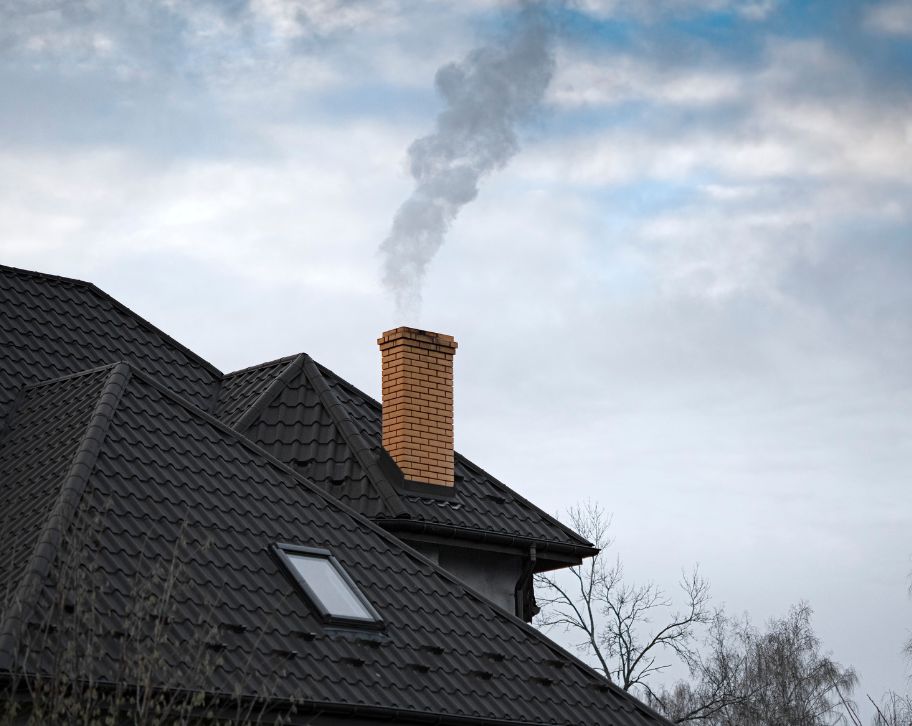
Your chimney isn’t just a brick tube leading to your roof. It’s a carefully engineered system that relies on physics to protect your home. The science behind proper chimney ventilation starts with something called the chimney effect, or stack effect. When you light a fire, the warm air and combustion gases rise naturally because they’re less dense than the cooler air around them. This creates an upward draft that pulls smoke and harmful gases out of your home.
The strength of this draft depends on several factors working together. The temperature difference between inside and outside air drives the entire process—the greater the difference, the stronger the draft becomes. That’s why chimneys often work better on cold winter days than mild autumn evenings. Your chimney’s height matters too. A taller chimney creates more draft because there’s more vertical distance for the warm air to travel.
The size of your flue also plays a key role in chimney airflow. A flue that’s too large allows gases to cool before they exit, weakening the draft. A flue that’s too small restricts airflow and can’t handle the volume of smoke your fireplace produces. Modern high-efficiency heating systems create special challenges because they produce cooler exhaust gases than older appliances. These cooler gases don’t rise as readily, which can lead to condensation problems and reduced draft.
Understanding these principles helps you recognize when something’s wrong. If your fireplace suddenly struggles to draw smoke on a cold day when it should work best, you’re likely dealing with a blockage or structural issue that needs professional attention. The chimney effect is reliable when everything’s working properly, but it’s also unforgiving when components fail or deteriorate.
Inadequate chimney ventilation isn’t just an annoyance—it’s a genuine threat to your family’s health and your home’s safety. Carbon monoxide poisoning tops the list of dangers. This odorless, colorless gas is produced whenever fuel burns, and your chimney’s job is to expel it safely outdoors. When ventilation fails, carbon monoxide seeps into your living spaces instead. Low-level exposure causes headaches, dizziness, and nausea. High-level exposure can be fatal.
Regular smoke exposure from fireplace smoke issues creates respiratory problems even when carbon monoxide isn’t involved. The particulates and irritants in wood smoke damage lung tissue, trigger asthma attacks, and worsen existing respiratory conditions. Children and elderly family members face the highest risk. If you’re smelling smoke in your home after lighting your fireplace, you’re breathing harmful pollutants that should be going up your chimney.
Fire risks escalate dramatically with poor ventilation. When smoke doesn’t draw properly, it often means creosote is building up inside your flue. Creosote is a tar-like substance that forms when wood smoke condenses on cool chimney surfaces. It’s extremely flammable, and once ignited, it burns at over 1,000 degrees Celsius—hot enough to crack masonry, melt metal components, and spread fire to your home’s structure. Chimney fires sound like freight trains roaring through your house, and they cause millions of dollars in property damage across Canada every year.
Structural damage develops more slowly but no less seriously. Moisture problems from condensation deteriorate mortar joints, crack clay tiles, and cause brick to spall and crumble. Water stains on exterior masonry, white crystalline deposits called efflorescence, and persistent dampness in your attic all signal that your chimney ventilation system isn’t managing moisture properly.
Common warning signs include:
Smoke backing up into rooms when you open the fireplace doors
Difficulty getting fires started or keeping them burning
Strong downdrafts that blow cold air into your home
Soot accumulation around the fireplace opening
A persistent smell of smoke even when the fireplace isn’t in use
Atlantic Brick and Stone’s comprehensive inspection services identify these problems before they become dangerous, giving you the information you need to protect your family and your investment.
When you’re experiencing chimney draft problems, there’s always a reason. Blockages and obstructions are among the most common culprits. Birds build nests in chimney tops during spring and summer, creating barriers that prevent smoke from escaping. Leaves, branches, and other debris accumulate over time, especially if you don’t have a properly fitted chimney cap. Excessive creosote buildup can narrow the flue to the point where airflow becomes severely restricted. In older chimneys, clay liner sections sometimes collapse entirely, creating complete blockages that require professional removal.
Structural issues compromise ventilation in ways that aren’t always obvious from the outside. Cracks in masonry allow air to leak in at the wrong points, disrupting the smooth upward flow of gases. Deteriorating mortar joints create the same problem. A damaged chimney crown—the concrete or mortar top that seals the space between your flue and the outer chimney structure—lets water penetrate, leading to internal damage that affects draft. Improper flashing where your chimney meets your roof can also contribute to moisture problems that eventually impact ventilation.
Design problems sometimes plague chimneys from the day they’re built. If your chimney isn’t tall enough relative to your roofline, wind patterns can create downdrafts that overpower the natural updraft. Nearby tall trees or neighboring buildings create similar problems by disrupting airflow. Competing air pressure from powerful range hoods or bathroom exhaust fans can actually pull air down your chimney instead of allowing smoke to rise. This is particularly common in modern, tightly sealed homes where makeup air isn’t adequately provided.
Environmental and temperature factors play a bigger role than most homeowners realize. Atlantic Canada’s harsh winters mean your chimney is often very cold before you light a fire. That cold column of dense air resists the rising warm gases, sometimes for several minutes until the chimney warms enough to establish proper draft. Extreme cold, heavy snow cover on the roof, and ice buildup around the chimney top can all affect performance.
Visible warning signs tell you when draft problems need attention:
Smoke consistently backing up into your living space
Difficulty starting fires or unusual difficulty keeping them burning
Water stains on exterior masonry
Excessive creosote accumulation
Unusual odors even when the fireplace isn’t in use
If you notice any of these issues, Atlantic Brick and Stone’s trained technicians can diagnose the specific cause using specialized inspection cameras and draft measurement tools. Professional chimney repairs include repointing deteriorated mortar, rebuilding damaged crowns, replacing collapsed liner sections, and installing properly sized chimney caps that protect against weather while maintaining proper draft.
Your chimney liner is the unsung hero of fireplace safety. This inner lining protects your chimney’s masonry from the extreme heat and corrosive byproducts of combustion while creating a smooth, appropriately sized pathway for smoke to exit. Without a properly functioning liner, your chimney simply cannot ventilate safely or efficiently.
There are three main types of chimney liners, each with specific applications. Clay tile liners have been used for decades and work well with traditional wood-burning fireplaces. They’re affordable and heat-resistant, but they’re also brittle and vulnerable to cracking from thermal shock when temperatures change rapidly. Metal liners, typically made from stainless steel, offer excellent durability and flexibility. They’re particularly well-suited for modern heating appliances and are often used when relining an existing chimney. Cast-in-place liners create a seamless, insulated barrier by pouring a cement-like mixture inside the existing chimney. This approach works well for chimneys with structural irregularities.
Modern high-efficiency heating systems demand properly sized liners to function safely. These appliances produce relatively cool exhaust gases—sometimes as low as 65 degrees Celsius—compared to traditional fireplaces that generate much hotter smoke. When undersized or damaged liners allow these cool gases to contact cold masonry surfaces, condensation forms. This moisture combines with combustion byproducts to create acidic compounds that eat away at mortar and brick from the inside out.
Deterioration signs vary by liner type but share common patterns:
Clay tiles develop cracks, particularly at the joints between sections
Pieces of tile appearing in your fireplace
White staining on interior surfaces
Metal liners showing rust stains, holes, or separation at seam joints
Any flaking or deterioration of the interior surface
Because much of this damage occurs inside the chimney where you can’t see it, professional inspection becomes necessary.
Improperly sized liners create predictable ventilation problems. An oversized liner allows gases to cool too quickly before exiting, reducing draft and increasing creosote buildup. An undersized liner restricts airflow, creating backpressure that forces smoke into your home instead of up the chimney. Atlantic Brick and Stone’s liner inspection and replacement services verify your chimney has the correct size and type of liner for your specific heating appliance and chimney configuration. Many chronic draft and smoke problems we encounter are resolved completely once we install a properly sized stainless steel liner that creates optimal conditions for consistent, reliable ventilation.
The top of your chimney might seem like a minor detail, but chimney caps and crowns play surprisingly important roles in maintaining proper chimney ventilation. These components work together to protect your chimney from weather while providing adequate airflow.
A chimney cap is the metal or stainless steel cover that sits atop your chimney flue. Its primary functions directly support proper ventilation. The cap’s mesh sides prevent rain and snow from falling directly down your flue, which is important because water running down into your chimney creates condensation, damages the liner, deteriorates mortar, and can even freeze during winter to create blockages. The mesh also blocks birds, squirrels, and other animals from building nests or entering your chimney—nests are one of the most common causes of dangerous blockages that prevent smoke from escaping.
Well-designed caps actually help draft rather than restricting it. The cap’s design creates a slight vacuum effect as wind blows across the top of your chimney, helping to pull smoke upward. Some caps include built-in draft enhancement features specifically engineered to improve performance in challenging conditions. When a cap is missing or damaged, you lose this benefit and expose your chimney to direct weather assault.
The chimney crown serves a different but equally important purpose. This concrete or mortar seal sits at the top of your chimney between the outer masonry and the flue liner. Think of it as a sloped roof for your chimney. A properly constructed crown sheds water away from the flue opening and prevents moisture from penetrating the space between the liner and the exterior bricks. When crowns crack or deteriorate, water seeps into this space, and Atlantic Canada’s freeze-thaw cycles do devastating damage. Water expands when it freezes, creating pressure that widens cracks, displaces bricks, and can eventually cause sections of chimney to separate or collapse.
The relationship between crown condition and ventilation performance is straightforward. Water damage from failed crowns causes interior deterioration that affects how smoothly air flows through your chimney. Spalling bricks create rough surfaces that disrupt airflow. Damaged mortar joints allow air to leak in at inappropriate points, weakening the overall draft. Deteriorating clay liners from moisture exposure can crack or collapse, creating restrictions or blockages.
Atlantic Brick and Stone’s crown rebuilding services create durable, weather-resistant seals using appropriate materials and proper slope design. Our chimney cap installation provides correctly sized, well-designed caps that deliver weather protection while maintaining optimal draft. These components typically last 15-20 years or more when properly installed, but they do require periodic inspection. Visible cracks in the crown, rust on metal caps, damaged mesh screening, or missing mortar should trigger immediate professional assessment to prevent larger problems from developing.
The single most effective home fireplace safety practice you can adopt is scheduling regular professional chimney inspections. Annual inspections for frequently used fireplaces and wood stoves, or every two to three years for occasionally used systems, catch problems while they’re still minor and affordable to fix. Waiting until you notice symptoms means damage has already occurred.
Comprehensive professional inspections examine your entire chimney ventilation system from multiple angles. Technicians assess exterior masonry for cracks, deteriorating mortar, damaged bricks, and signs of water penetration. They verify that flashing where your chimney meets your roof remains properly sealed against moisture intrusion. The chimney crown and cap receive careful scrutiny for cracks, gaps, or deterioration. Inside your home, inspectors examine the firebox, smoke chamber, and damper operation.
The real value of professional inspection comes from what trained eyes can see that homeowners cannot. Specialized equipment makes hidden damage visible:
Inspection cameras travel down inside your flue, revealing cracks in clay tiles, creosote accumulation, blockages, and deterioration that’s completely invisible from either end of the chimney
Moisture meters detect dampness inside masonry that indicates water penetration problems
Draft measurement tools quantify whether your chimney is producing adequate pressure differentials to function safely
Hidden damage behind outer masonry layers represents one of the most serious inspection findings. Your chimney might look fine from outside while the interior structure is severely compromised. Mortar joints can fail between inner and outer brick wythes, creating voids where smoke and gases escape rather than traveling up the flue. Liner damage can be extensive despite an intact exterior appearance. These conditions create carbon monoxide dangers and fire risks that won’t be discovered until a professional inspection identifies them.
Inspections identify multiple interconnected issues that, when addressed together, prevent future ventilation problems. You might have minor crown cracks, beginning liner deterioration, and a missing chimney cap—individually small problems, but together they create a cascade of accelerating damage. Fix them now as a package, and you prevent expensive rebuilding later.
The cost comparison strongly favors preventative inspection. A thorough professional inspection might cost a few hundred dollars. Emergency repairs when your chimney fails during heating season cost thousands. Complete chimney rebuilds after years of neglected damage can exceed ten thousand dollars. Beyond financial considerations, inspections provide documentation that may be required for insurance coverage and can be valuable when selling your home.
Atlantic Brick and Stone offers free consultations to Fredericton-area homeowners concerned about their chimney condition. Our experienced technicians provide honest assessments, prioritized repair recommendations, and clear explanations of what we find. We understand the specific challenges that Atlantic Canada’s climate creates for masonry chimneys, and we’ve helped hundreds of local homeowners maintain safe, efficient chimney ventilation systems for over 15 years.
Maintaining reliable chimney ventilation requires a partnership between homeowner diligence and professional expertise. Regular maintenance prevents the deterioration that leads to ventilation failures and keeps your fireplace ventilation systems operating safely season after season.
Homeowners can perform several straightforward maintenance tasks that support proper ventilation:
Annual cleaning of your fireplace and stove interior removes ash buildup that can restrict airflow at the base of your chimney
Visual exterior inspections—quickly scanning your chimney from ground level—can spot obvious problems like missing bricks, large cracks, or a fallen chimney cap
Keeping the area around your chimney’s exterior base clear of vegetation and debris prevents moisture retention against masonry surfaces
Staying alert to changes in how your fireplace performs gives you early warning when professional assessment becomes necessary
Professional maintenance services address issues beyond homeowner capabilities and equipment. Chimney sweeping removes creosote buildup that homeowners cannot safely or effectively clean themselves. Professional sweeps use specialized brushes, vacuums, and inspection equipment to thoroughly clean the entire flue length while identifying damage or deterioration. Masonry repointing replaces failed mortar joints before water penetration causes extensive damage to surrounding bricks. Flashing repair and sealing prevents roof leaks that compromise both your chimney and your home’s interior. Minor crack repairs, when performed promptly, prevent small problems from expanding into structural failures.
The preventative maintenance approach contrasts sharply with reactive repairs. Preventative maintenance means investing modest amounts regularly to keep your chimney in good condition. You schedule work during spring or summer when weather cooperates and contractors have better availability. Costs remain predictable and manageable. Reactive repairs happen when something fails—often during winter when you need your fireplace most. Emergency service premiums apply, weather complicates the work, and the damage requiring repair is usually more extensive than if it had been caught earlier.
Typical repair timelines in the Fredericton area work best when you plan ahead. Spring and early summer represent ideal windows for chimney work. Temperatures are moderate, precipitation is manageable, and contractors can schedule efficiently. Mortar and sealants cure properly in these conditions. Waiting until late autumn means facing weather delays, limited contractor availability, and the risk of cold temperatures that prevent certain repairs from being performed safely or effectively.
Atlantic Brick and Stone‘s comprehensive approach begins with thorough inspection to identify all issues requiring attention. We provide prioritized recommendations that help you understand what needs immediate action versus what can be scheduled for future attention. Our commitment to quality materials appropriate for Atlantic Canada’s climate—including specialized freeze-resistant mortars and weatherproof sealants—means repairs last. We warranty all our work because we’re confident in our craftsmanship and materials. This ongoing maintenance relationship protects your investment, maintains safety, and keeps your chimney ventilation system functioning reliably for decades.
Proper ventilation for chimneys stands as a non-negotiable requirement for home safety, heating efficiency, and structural protection. The seven essential facts we’ve covered—from understanding the chimney effect to maintaining components through professional care—provide the foundation you need to keep your chimney functioning safely. Remember that chimney ventilation problems are both preventable through regular maintenance and solvable with appropriate professional expertise.
Don’t wait for warning signs to escalate into dangerous situations or expensive emergencies. If you’ve noticed smoke backup, difficulty maintaining fires, visible masonry damage, or if it’s simply been too long since your last professional inspection, now is the time to act.
Atlantic Brick and Stone serves Fredericton and surrounding areas with comprehensive chimney inspection, repair, rebuilding, and maintenance services backed by over 15 years of local experience. Schedule your free consultation today by contacting us, and let our skilled masons provide the expertise your chimney needs. Professional chimney care delivers safety, efficiency, and peace of mind—investments that protect what matters most.
Schedule annual inspections if you use your fireplace or wood stove regularly throughout the heating season. For occasionally used systems—perhaps you only light fires a few times each winter—inspections every two to three years are generally sufficient. However, have your chimney inspected immediately before the heating season begins if you’ve noticed any warning signs like smoke backup, strange odors, or visible exterior damage. Atlantic Brick and Stone offers thorough inspections that identify both obvious problems and hidden deterioration that could compromise ventilation and safety.
Immediate red flags include smoke entering your living spaces when you light fires, persistent difficulty starting or maintaining fires, and strong downdrafts when you open fireplace doors. Secondary indicators include a lingering smoke smell even when the fireplace isn’t in use, soot accumulation around the fireplace opening, and visible moisture or water stains on interior or exterior masonry surfaces. Exterior warning signs include crumbling mortar between bricks, visible cracks in the chimney structure, and a missing or damaged chimney cap. Any of these symptoms warrants professional assessment to determine the underlying cause.
Homeowners can handle basic maintenance tasks like keeping the fireplace area clean, performing visual exterior inspections from ground level, and monitoring system performance for changes. However, diagnosis and repairs require professional expertise, specialized tools, and safety equipment that most homeowners don’t possess. Chimney work involves heights, structural assessment, and understanding building codes. DIY repairs often worsen problems rather than solving them, void equipment warranties, and can create serious safety hazards including carbon monoxide exposure and fire risks. Atlantic Brick and Stone’s trained technicians provide safe, code-compliant repairs that address root causes rather than symptoms.
Atlantic Brick and Stone’s comprehensive assessment examines your entire chimney system rather than offering surface-level inspections. With over 15 years serving the Fredericton area, we understand the specific challenges Atlantic Canada’s climate creates for masonry chimneys. We use quality materials proven to withstand freeze-thaw cycles and provide lasting repairs rather than temporary fixes. Our free consultations, transparent pricing, and warranties on all work demonstrate our commitment to customer satisfaction. We provide clear explanations of what we find, prioritized recommendations, and guidance on maintaining your investment long-term—establishing ourselves as trusted partners in your home’s safety rather than one-time service vendors.
GET STARTED
Create stunning structures with our residential and commercial masonry services in Fredericton. From meticulous designs to the completed build, our process is professional and rewarding, and we can’t wait to build your dream with you.
Atlantic Brick and Stone, one of the best masonry contractors in Fredericton, NB
Contact
8 Muskie Street, Lower Kingsclear, New Brunswick E3E 0E7, Canada