
You just invested thousands of dollars into a beautiful new concrete pathway. Fast forward one year, and spiderweb cracks are spreading across the surface like fault lines after an earthquake. Your heart sinks as you realize those cracks will only get worse with every freeze-thaw cycle Fredericton’s winters throw at them.
Concrete cracking is one of the most frustrating problems property owners face across Canada, and it’s often completely preventable. The difference between concrete that lasts decades and concrete that cracks within seasons comes down to understanding what causes these failures and taking the right steps from day one.
In this guide, you will discover exactly how to prevent concrete from cracking in Canadian climates. We’ll walk through the critical preparation steps, proper materials and techniques, ongoing maintenance strategies, and when it’s time to bring in professionals like Atlantic Brick and Stone. Whether you’re planning a new installation or trying to protect existing concrete, you’ll learn proven methods to keep your concrete solid for long time.
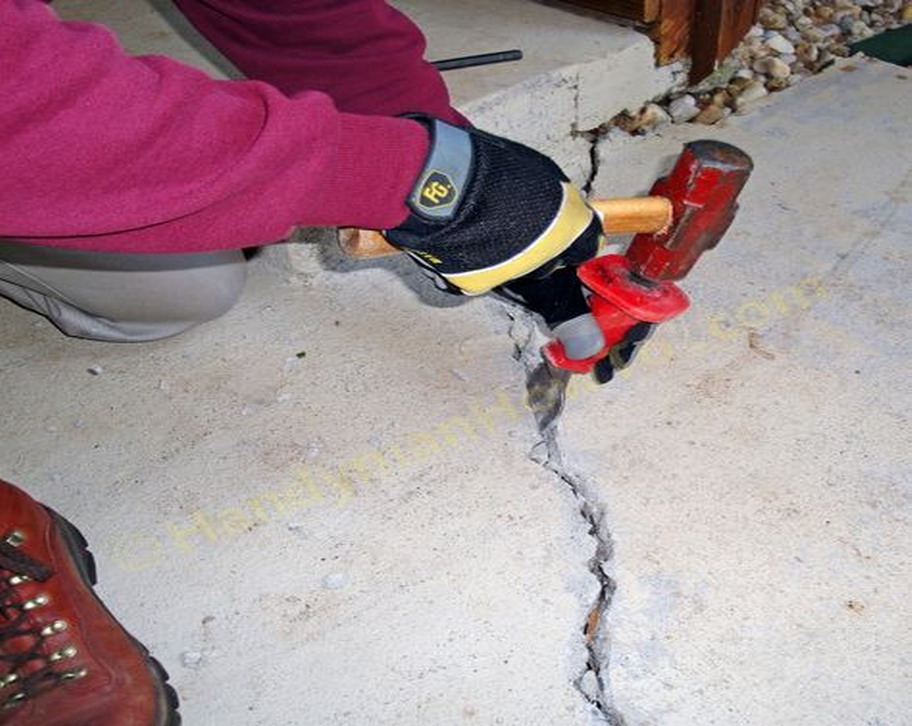
Before you can prevent concrete cracking, you need to understand your enemy. Several factors work together to stress and eventually fracture concrete surfaces, and many of them are particularly harsh in Fredericton’s climate.
Environmental factors top the list of concrete destroyers. Freeze-thaw cycles occur when water seeps into tiny concrete pores, freezes, and expands by roughly nine per cent. This expansion creates immense internal pressure that forces the concrete apart. When you combine this with extreme temperature fluctuations between summer heat and winter cold, your concrete experiences constant expansion and contraction that generates stress over time. Seasonal ground movement adds another layer of challenge as soil beneath your concrete shifts with temperature and moisture changes.
Material issues create vulnerabilities from the inside out. When the water-cement ratio in your concrete mix is wrong, you end up with weak concrete that can’t withstand normal stresses. Low-quality aggregates (the sand and gravel in concrete) create weak spots throughout the material. An inadequate overall mix design sets you up for failure before the concrete even hits the ground.
Structural problems beneath the surface cause just as many headaches. Insufficient sub-base preparation means your concrete sits on unstable ground. When soil isn’t properly compacted or contains organic material that decomposes over time, you get uneven settling that creates stress points. Foundation settling happens when the ground beneath concrete sinks unevenly, forcing the rigid concrete to crack as it tries to follow the movement below.
Construction defects during installation doom even good concrete to early failure. Rapid drying during the curing process prevents concrete from developing its full strength. Improper finishing techniques can weaken the surface layer. Missing control joints (those intentional grooves you see in sidewalks) mean concrete cracks randomly instead of in controlled locations.
Excessive loads stress concrete beyond its design capacity. Parking a heavy recreational vehicle on a residential driveway designed for cars creates point loads that can crack the concrete. Even repeated loads from delivery trucks can progressively damage concrete not engineered for that weight.
Chemical exposure slowly eats away at concrete integrity. De-icing salts like calcium chloride and sodium chloride corrode concrete surfaces, particularly during winter months. Certain fertilizers containing ammonium nitrate or ammonium sulfate actually attack concrete chemically and should never be used near concrete surfaces.
Atlantic Brick and Stone’s 15+ years of experience means we’ve seen every one of these failure modes firsthand. Our approach addresses each potential cause through careful sub-base preparation, quality materials, proper construction techniques, and comprehensive curing procedures that give your concrete the best possible start.
Preventing concrete cracks requires attention to detail at every stage of your project. From the ground preparation to the final curing steps, each phase plays a critical role in creating durable, crack-resistant concrete.
The ground beneath your concrete determines whether it will last five years or fifty years. Think of the sub-base as the foundation for your foundation—get it wrong, and everything built on top is compromised.
Start by removing every trace of topsoil and organic material until you reach stable ground. Topsoil contains roots, leaves, and decomposing matter that will break down over time, creating voids beneath your concrete. These voids lead directly to settling and cracking. Don’t cut corners here—dig down to solid, stable soil even if it means more excavation than you planned.
Next, bring in well-compacted granular fill made from crushed stone. This material provides a stable, drainage-friendly base that won’t shift or settle. The key word is “compacted.” Loose stone will settle under the concrete’s weight and cause cracking within months. Professional crews use plate compactors or vibratory rollers to compress the stone in layers, typically compacting each 100-150 millimetre layer before adding the next. This creates uniform support across the entire area.
Your sub-grade must be sloped properly to move water away from the concrete rather than letting it pool underneath. Water accumulation beneath slabs leads to erosion, freeze-thaw damage, and soil movement—all recipes for cracks. A slope of just one to two per cent (about 3 to 6 millimetres per metre) is usually sufficient to keep water moving.
Thickness requirements vary by application:
Residential driveways: 100 to 150 millimetres of compacted stone base
Commercial applications: 200 millimetres or more for heavier loads
High-traffic areas: Additional depth based on soil conditions
Atlantic Brick and Stone conducts proper soil investigation and designs the sub-base to match your specific soil conditions and intended use. Cutting corners on sub-base preparation to save a few hundred dollars often costs thousands in repairs within just a few years.
The concrete mix itself makes or breaks your project’s long-term success. Even perfect installation can’t overcome a poorly designed mix, while a properly formulated mix gives you significant insurance against cracking.
The water-cement ratio stands as the single most critical factor in concrete strength. Too much water makes concrete weak, porous, and prone to shrinkage cracks. Too little makes it impossible to properly place and finish. The goal is the lowest water content that still allows proper workability—typically achieved through water-reducing admixtures rather than simply adding more water at the job site. Never let anyone add extra water to make concrete easier to work with; you’re literally diluting its strength.
High-quality cement and well-graded aggregates create a dense, strong concrete matrix with minimal voids. Well-graded means the aggregate particles range from fine sand to larger stones in proportions that pack together tightly. This reduces the amount of cement paste needed to fill spaces, which in turn reduces shrinkage and cracking potential. Atlantic Brick and Stone sources superior materials that meet or exceed Canadian Standards Association specifications for concrete construction.
Air-entrainment admixtures are absolutely mandatory for any concrete exposed to Canadian freeze-thaw conditions. These create billions of microscopic air bubbles throughout the concrete that provide relief spaces when water freezes and expands. Without air-entrainment, freeze-thaw cycles will progressively destroy your concrete surface through scaling and spalling. This isn’t optional in our climate—it’s essential.
Water-reducing admixtures (also called plasticizers) improve concrete workability without adding water. They allow you to achieve good flow characteristics and easy finishing while maintaining a low water-cement ratio for maximum strength. Superplasticizers take this even further, allowing very low water content while still achieving excellent workability.
Moderate slump specifications between 80 and 125 millimetres provide adequate workability for most residential applications without excessive bleeding or segregation. Higher slumps may look easier to work with, but they increase water content and the risk of various defects including plastic shrinkage cracking.
Fiber reinforcement or welded wire mesh helps control crack width if cracking does occur. While these don’t prevent cracks from forming, they keep cracks tight and prevent separated sections from differential movement. For slabs-on-grade like driveways and patios, fiber reinforcement distributed throughout the mix or wire mesh placed at proper depth provides significant crack control benefits.
Here’s a concrete truth: your concrete will crack. That’s just the nature of the material as it shrinks during curing and experiences temperature and moisture changes. But you can control where those cracks appear through strategic joint placement.
Control joints are intentional weak points cut or formed into concrete that encourage cracking in specific, predetermined locations. When you see those grooves in sidewalks and driveways, that’s exactly what they’re for—directing inevitable cracks into straight lines where they’re less noticeable and structurally acceptable rather than letting them wander randomly across your surface.
Proper spacing follows the rule of 24 to 36 times the slab thickness. For a typical 100-millimetre residential slab, that translates to joints every 2.4 to 3.6 metres. Most professionals stick to a maximum spacing of 3 to 4.5 metres (10 to 15 feet) for residential applications. Spacing joints too far apart allows stress to build up and release through random cracking between joints.
Joint depth matters just as much as spacing. Cut them too shallow and they won’t work—the concrete simply cracks elsewhere. The standard is one-quarter to one-third of the slab thickness. For a 100-millimetre slab, that means joints should be 25 to 33 millimetres deep. This creates enough of a weak point to control where cracks form without compromising structural integrity.
Timing the installation correctly ensures joints work as intended. Saw-cut joints should be cut within 12 to 24 hours after concrete placement—early enough that random cracks haven’t formed yet, but late enough that the concrete won’t ravel and chip at the saw cut edges. Professional crews know exactly when the concrete has firmed up enough for clean sawing.
Expansion joints serve a different purpose than control joints. While control joints manage shrinkage, expansion joints accommodate thermal expansion when concrete heats up. These full-depth joints incorporate compressible material that allows adjacent concrete sections to expand toward each other without generating crushing stresses. Place them where slabs meet walls, columns, or other fixed elements.
Isolation joints prevent bond between the slab and adjacent structural elements, allowing independent movement. These full-depth joints let your driveway move slightly without pulling on your garage foundation or cracking where the two meet.
Even the best concrete mix placed on a perfect sub-base will crack if construction practices during placement and finishing are sloppy. Critical timing and proper technique during these few hours determine your concrete’s final quality.
Continuous placement avoids cold joints—weak planes that form where fresh concrete meets concrete that’s already started hardening. Cold joints create stress concentrations and often develop into cracks. For larger projects, plan your concrete delivery and placement so you can work continuously without long gaps between truckloads.
Proper consolidation using mechanical vibrators eliminates air pockets trapped within the freshly placed concrete. These voids weaken the concrete and create failure points. Insert vibrators vertically at regular intervals and withdraw them slowly, allowing concrete to flow back together behind the vibrator. But don’t overdo it—excessive vibration of high-slump concrete causes segregation where heavy aggregates sink and water rises, weakening the surface.
Timing finishing operations correctly is absolutely critical. You must wait until bleeding is complete before doing final finishing work. Bleeding is the process where excess water rises to the surface. If you finish while bleed water is still present, you work that water back into the surface layer, creating a weak, high water-cement ratio zone that will dust, scale, and crack prematurely. Watch for the water sheen to disappear from the surface before proceeding with final finishing—patience during this waiting period pays enormous dividends in final quality.
Broom finishes work far better than smooth trowel finishes for exterior slabs in Canadian climates. The texture provides traction and, more importantly, doesn’t reduce the air content in the surface layer the way aggressive steel troweling does. For freeze-thaw resistance, you need to maintain that air-entrainment throughout the slab depth, including the surface.
Never add water to the surface or sprinkle dry cement during finishing operations. Adding water dilutes the surface cement content and weakens it. Sprinkling dry cement (a practice called “dusting”) creates a thin, weak layer that will deteriorate quickly. Both practices seem to make finishing easier in the moment but guarantee surface problems later.
Protecting fresh concrete from rapid moisture loss prevents plastic shrinkage cracking—cracks that form before the concrete even hardens. Use windbreaks to reduce air movement across the surface, fog sprays to increase humidity, and plastic sheeting to trap moisture between finishing operations.
Atlantic Brick and Stone’s experienced crews understand these critical timing issues and know exactly when to perform each finishing step for optimal results. In hot weather, we schedule placements for early morning when temperatures are cooler and humidity higher, and we use retarding admixtures to extend working time when needed.
Curing might be the most important step for crack prevention, yet it’s the one most often rushed or skipped entirely. Proper curing maintains the moisture and temperature conditions concrete needs to develop its designed strength and durability.
Concrete gains strength through a chemical reaction between cement and water called hydration. This reaction requires moisture to proceed. If concrete dries out prematurely, hydration stops and the concrete never achieves its full strength potential. Weak concrete cracks far more easily than properly cured concrete.
Begin curing immediately after finishing to retain the moisture already in the concrete. Common curing methods include:
Wet burlap kept continuously damp
Plastic sheeting to prevent evaporation
Membrane-forming curing compounds that create a moisture barrier
Continuous water spray or ponding for flat surfaces
The minimum curing period for quality concrete is seven days under normal conditions, but longer is better. In cold weather, extend the curing period because hydration proceeds more slowly at lower temperatures. As a rule of thumb, for every 10°C drop in concrete temperature, you need to roughly double the curing time to achieve equivalent strength development.
Cold weather curing in Canadian winters requires maintaining concrete temperature above 10°C for adequate strength gain rates. This typically means insulated enclosures, possibly with supplemental heating. Protect newly placed concrete from freezing until it develops sufficient strength—typically at least 500 PSI (3.5 megapascals). When you remove protection, do so gradually to avoid thermal shock from sudden exposure to freezing air.
Hot weather curing demands aggressive moisture retention. High temperatures accelerate evaporation and can cause plastic shrinkage cracking before the concrete even hardens. Start with evaporation retardants applied immediately after placement, then move to complete surface sealing or continuous wetting as soon as finishing allows. Don’t let the surface dry out during the critical first few days.
Atlantic Brick and Stone follows industry best practices and Canadian Standards Association guidelines for proper curing on every project. We know that shortcuts during curing create weakness that shows up as cracks months or years later.
Freeze-thaw cycles represent the single most destructive environmental force acting on concrete throughout most of Canada. Understanding this phenomenon and implementing protective measures is essential for long-term concrete durability in Fredericton’s climate.
The freeze-thaw cycle begins when water penetrates into the microscopic pores and hairline cracks naturally present in all concrete. As temperatures drop below freezing, this water transforms into ice and expands by approximately nine per cent. This expansion generates tremendous pressure inside the concrete matrix—enough to literally tear the material apart from within. When temperatures rise again, the ice melts and redistributes, only to freeze again during the next cold snap.
Progressive deterioration happens with each cycle. What starts as microscopic damage accumulates over hundreds of freeze-thaw cycles each winter. The concrete surface begins to scale and flake away in layers. Deeper cracks develop and widen. Without protection, this damage accelerates each season until structural integrity is compromised.
Air-entrainment serves as your primary defense against freeze-thaw destruction. Those billions of microscopic air bubbles we mentioned earlier provide relief spaces where expanding ice can migrate without generating destructive pressure against the concrete structure. The bubbles work like tiny expansion chambers throughout the concrete matrix. For any concrete exposed to freezing conditions, air-entrainment isn’t optional—it’s mandatory for survival. Atlantic Brick and Stone uses air-entrained concrete as standard practice for all exterior applications.
Applying commercial-grade sealers every two to three years creates an additional protective barrier that prevents water from penetrating into the concrete pores in the first place. If water can’t get in, it can’t freeze and cause damage. Choose high-quality penetrating sealers or film-forming sealers designed specifically for Canadian climates. Don’t use cheap sealers that wear off after a few months—invest in commercial-grade products that provide years of protection.
First winter precautions are critical for new concrete. Avoid using any de-icing salts during the initial winter after placement. The concrete surface needs a full season to cure and harden before exposure to aggressive chemicals. Use clean sand for traction instead. Hose off any salt deposits that vehicle tires track onto your concrete to prevent chemical exposure during this vulnerable period.
When de-icing becomes necessary in subsequent winters, choose your products carefully:
Calcium magnesium acetate: Causes far less concrete damage than traditional salts
Sand: Provides traction without chemical attack
Avoid: Fertilizers containing ammonium nitrate or ammonium sulfate—these chemicals aggressively attack concrete
Proper drainage keeps concrete as dry as possible, reducing the frequency and severity of freeze-thaw cycles. Slope areas away from slabs and ensure gutters and downspouts direct water away from concrete surfaces. The drier concrete stays, the less vulnerable it is to freeze-thaw damage.
Regular snow removal during winter prevents excessive meltwater from soaking into your concrete. Clear snow before it becomes packed down and icy, as removing ice often requires more aggressive methods that can damage concrete surfaces.
Even properly designed and constructed concrete needs ongoing attention to maximize its lifespan. Regular maintenance catches small problems before they become major headaches requiring expensive repairs.
Regular inspections form the backbone of good concrete maintenance. Walk your driveways, sidewalks, and patios every few months looking for hairline cracks, surface scaling, discoloration, or other early warning signs. Spring is an excellent time to assess winter damage, while fall inspections let you identify issues before winter’s freeze-thaw cycles make them worse. For commercial properties or critical structures, consider professional inspections on a defined schedule to ensure nothing goes unnoticed.
Resealing every two to three years maintains the protective barrier against moisture, chemicals, and freeze-thaw damage. As sealers wear down under traffic and weather exposure, they lose effectiveness. Don’t wait until all protection is gone—reseal while the previous application still provides some coverage for best results. High-quality commercial-grade sealers cost more initially but last longer and protect better than cheap alternatives. Think of it as insurance that costs far less than repairs.
Prompt repair of small cracks prevents water infiltration that leads to bigger problems. Small fissures can often be filled with flexible crack fillers or specialized patching compounds designed for exterior concrete. These repairs seal the crack, preventing water from getting in and causing freeze-thaw damage or erosion of the sub-base material beneath. A small crack repaired today stays small, while one ignored can spread into a major structural problem within a season or two.
Proper cleaning extends concrete life by removing substances that can damage or stain the surface. Regular sweeping prevents dirt and debris from grinding into the surface under traffic. Periodic washing with water or mild detergent removes accumulated contaminants, especially de-icing salt residue that accelerates deterioration. Oil and grease stains should be cleaned promptly with appropriate degreasers before they penetrate deeply and permanently stain concrete.
Managing nearby vegetation prevents root damage that can lift and crack concrete slabs. Tree roots generate surprising force as they grow, enough to heave and fracture even thick concrete. Maintain adequate distance between trees and concrete structures, or install root barriers for existing trees near concrete. Trim roots that threaten concrete before they cause damage rather than waiting until cracking occurs.
Ensuring drainage remains effective protects your concrete’s foundation. Clean gutters and downspouts regularly so they continue directing water away from concrete surfaces. Check that site grading still slopes away from slabs, over time, soil can settle or erode, creating low spots where water pools. Regrade as needed to maintain proper drainage patterns.
Using plastic or rubber-edged shovels for snow removal prevents the nicks and gouges that metal shovels can cause. These surface damages create weak spots and entry points for water. Snow blowers work well if you keep the auger slightly above the concrete surface rather than scraping directly on it.
Atlantic Brick and Stone consistently recommends proactive maintenance as the most cost-effective strategy for concrete longevity. Small investments in sealing, cleaning, and minor repairs now prevent the need for extensive, expensive resurfacing or replacement later.
While understanding concrete crack prevention empowers you to make informed decisions, some situations definitely call for professional expertise. Atlantic Brick and Stone brings specialized knowledge, proper equipment, and 15+ years of experience to concrete projects throughout Fredericton and surrounding areas.
New concrete installations benefit tremendously from professional expertise. Whether you’re planning a driveway, patio, garage floor, or foundation, proper sub-base preparation requires equipment and techniques that most homeowners don’t have. Professional crews excavate to proper depths, prepare stable bases with correctly compacted granular fill, and ensure adequate drainage. We specify concrete mixes tailored to your specific application and exposure conditions, incorporating air-entrainment and other admixtures for maximum durability. Our experienced crews understand critical timing for finishing operations and implement proper curing procedures that give your concrete the best possible start.
Crack repair services require assessment of the crack’s severity and selection of appropriate repair methods. Hairline cracks might need flexible sealants, while wider cracks may require routing and filling with specialized materials. Active cracks that continue to move demand different treatment than dormant cracks that have stabilized. For severe cracking or structural concerns, epoxy injection can bond separated concrete back together, or partial slab replacement may prove more economical than attempting to repair extensively damaged sections. Professional assessment determines the right approach for your specific situation.
Concrete resurfacing restores old or damaged surfaces, extending their lifespan and improving appearance while often addressing existing minor cracks before they worsen. This option makes sense when the underlying structure remains sound but the surface has deteriorated from wear, scaling, or minor cracking. Resurfacing costs significantly less than complete replacement while providing many additional years of service.
Commercial projects typically involve heavier traffic loads, larger areas, and more demanding requirements than residential work. These applications often require engineered designs, enhanced reinforcement, and specialized finishing techniques. Atlantic Brick and Stone’s experience with commercial concrete ensures we can handle projects of any size and complexity, from small repairs to extensive new construction.
The benefits of professional expertise extend beyond just knowing the right techniques:
Relationships with local suppliers for quality materials and reliable delivery
Proper insurance protecting you from liability
Warranty on our work for your peace of mind
Commitment to quality workmanship following industry best practices
Quality assurance through Atlantic Brick and Stone’s rigorous standards ensures your concrete project meets or exceeds Canadian building codes and industry guidelines. We don’t cut corners on sub-base preparation, mix design, or curing procedures—the fundamental steps that determine long-term success. Our 15+ years serving Fredericton and surrounding areas has built a reputation for delivering durable, crack-resistant concrete through superior craftsmanship and attention to detail.
Free consultations let us assess your concrete’s condition and recommend appropriate methods tailored to your specific needs and budget. Whether you’re planning new construction or dealing with existing concrete problems, we’ll provide honest advice about your options. Contact Atlantic Brick and Stone today to discuss your concrete project and discover how our expertise can protect your investment for decades to come.
Preventing concrete cracks is far more economical than repairing or replacing damaged concrete. Success requires proper sub-base preparation providing stable support, quality materials including air-entrained concrete for freeze-thaw resistance, correct construction techniques with proper joint placement and curing, and ongoing maintenance to protect your investment.
Fredericton’s climate demands special attention to freeze-thaw protection through air-entrainment, commercial-grade sealing, and careful winter maintenance. Regular inspections and prompt repair of minor issues prevent small problems from becoming major headaches.
Atlantic Brick and Stone’s commitment to delivering durable, crack-resistant concrete through superior craftsmanship and adherence to industry best practices ensures your concrete serves you well for decades. Contact us today for expert consultation and reliable concrete services that protect your property investment.
Concrete will naturally develop some cracks due to inherent material properties including shrinkage during curing and thermal movement from temperature changes. The goal isn’t eliminating cracks entirely—it’s controlling where they occur through strategic control joint placement. These joints direct cracking to predetermined, acceptable locations where cracks remain hidden within the joint groove rather than appearing randomly across visible surfaces. Proper design using quality materials and correct construction techniques minimizes uncontrolled random cracking. Atlantic Brick and Stone focuses on controlling crack location and width rather than promising the impossible goal of completely crack-free concrete, which isn’t realistic for this material.
Allow a minimum of 30 days of drying time after the initial curing period before applying sealers to new concrete. The concrete must fully cure and then dry sufficiently to allow any trapped moisture and air to escape from within the slab. Premature sealing traps this moisture and air beneath the sealer, which can cause blistering, spalling, or delamination of the sealer and potentially damage to the concrete surface itself. Some sealers have specific moisture content requirements that may require even longer waiting periods, especially for thicker slabs or during humid weather. Atlantic Brick and Stone applies commercial-grade sealers at optimal timing based on the specific sealer requirements and environmental conditions to ensure maximum protection and longevity.
Control joints and expansion joints serve different but complementary purposes in concrete construction. Control joints are partial-depth grooves cut or formed to one-quarter to one-third of the slab thickness that manage shrinkage and direct cracking to specific locations where it remains controlled and hidden within the joint. These joints don’t actually prevent cracking—they control where it occurs. Expansion joints are full-depth joints that accommodate thermal expansion when concrete heats up, using compressible material that allows adjacent sections to expand toward each other without generating crushing stresses. Both joint types are essential for preventing random, uncontrolled cracking, but they address different movement patterns. Proper joint design requires professional expertise to determine appropriate spacing, depth, and placement based on the specific application and climate conditions.
Hairline cracks may indicate cosmetic surface issues like crazing, which is structurally sound but unsightly, or they could signal the beginning of more serious underlying problems. The concern with any crack, even small ones, is that left unaddressed they allow water infiltration. During freeze-thaw cycles, this water expands when frozen and progressively widens the crack and damages surrounding concrete. Small cracks today become large cracks next season. Professional assessment determines whether hairline cracks result from normal surface shrinkage, indicate inadequate curing, or signal structural issues requiring more extensive intervention. Atlantic Brick and Stone recommends prompt repair of hairline cracks using appropriate flexible fillers to prevent water infiltration and progressive damage, which is far more economical than addressing extensive deterioration later.
Air-entrainment creates billions of microscopic air bubbles throughout the concrete matrix that provide relief spaces for water expansion when it freezes. Without these air voids, freezing water has nowhere to expand except by forcing the concrete apart, which leads to progressive deterioration through scaling, spalling, and cracking with each freeze-thaw cycle. In Canadian climates where concrete experiences hundreds of freeze-thaw cycles each winter, air-entrainment is absolutely essential—not optional—for concrete exposed to freezing conditions. It dramatically extends concrete lifespan by preventing the internal damage that freeze-thaw cycles cause. Atlantic Brick and Stone uses air-entrained concrete as standard practice for all exterior applications and any concrete that might be exposed to freezing temperatures, ensuring your concrete survives Canadian winters for decades rather than deteriorating within a few seasons.
GET STARTED
Create stunning structures with our residential and commercial masonry services in Fredericton. From meticulous designs to the completed build, our process is professional and rewarding, and we can’t wait to build your dream with you.
Atlantic Brick and Stone, one of the best masonry contractors in Fredericton, NB
Contact
8 Muskie Street, Lower Kingsclear, New Brunswick E3E 0E7, Canada