
A solid stone fireplace with worn mortar usually suits overgrouting, which refreshes joints without tearing everything out. Loose, cracked stones, moisture damage, or hollow sounds usually call for full stone removal and replacement for safety and long-term durability. A professional inspection helps sort cosmetic issues from structural problems so you invest in the right fix.
This guide explains what overgrouting and replacement involve, signs for each option, cost and timeline comparisons, and how professional assessment works, with clear lists and one comparison table for quick reference.
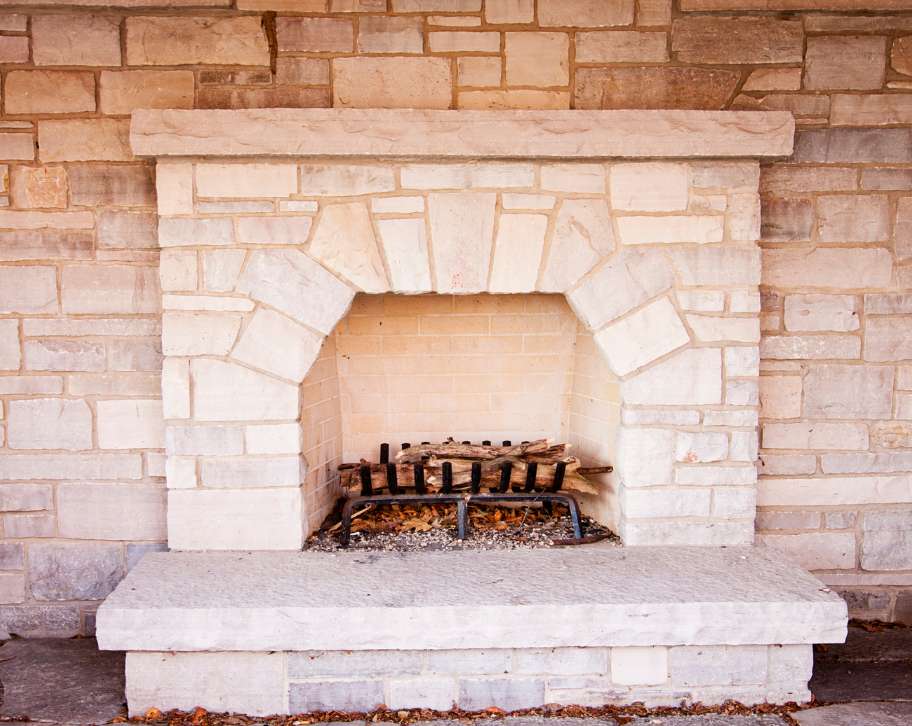
Overgrouting an old stone fireplace means applying fresh mortar over the existing joints without taking the stones down. This repair method works best when the stone itself is sound and only the joints or surface look tired. Many people choose this path to update a stone fireplace without a full teardown.
In simple terms, you grout over a stone fireplace to:
Refresh worn joints
Fill small gaps in the grout lines
Give a thicker, more rustic or modern joint profile
It often suits owners who like their current stone but want a cleaner finish. Overgrouting can be part of a broader stone fireplace renovation that also includes:
Cleaning and soot removal during a stone fireplace makeover
Light staining or colour adjustment
New trim, fireplace mantel, or surround details can enhance the overall look.
Done properly, it can modernize an outdated stone fireplace while keeping the original character.
Good candidates for overgrouting usually share a few clear traits. The key is to confirm that the problem is mainly appearance and mortar, not structure.
The stone faces look intact, with no major cracks running through the full thickness of each piece. You do not see layers flaking off or powdery stone edges, which would show spalling and deeper damage. The fireplace feels solid when you press on stones with your hand and they do not rock or shift.
Mortar loss appears in small sections, with less than about 30 to 40% of the joints crumbled or missing. Loose mortar tends to be shallow rather than deep voids right back to the substrate. In this case, a mason can rake out weak spots, pack new mortar, and then slightly overgrout to blend the joints.
There is no known history of leaks, damp smells, or white salt stains around the face of the fireplace. That makes hidden moisture behind the stone less likely. In many Fredericton homes, solid fieldstone or granite fireplaces with these signs respond very well to overgrouting.
Your main goal is a refresh, not a full restyle of the stone shape. You are happy to resurface a stone fireplace with a thicker joint profile or softer colour rather than switch to a totally different ledgestone or manufactured veneer. Old stone fireplace update ideas such as cleaning, lighting changes, and new mantels pair nicely with this approach.
The stone type is sturdy, such as granite or fieldstone, which usually holds up over decades. Softer materials such as sandstone or older manufactured veneer call for closer inspection before any decision, since the stone itself might be near the end of its life.
Overgrouting offers clear advantages, along with limits that matter for performance and lifespan.
Pros of overgrouting
Usually costs less than a full tear out and rebuild
Less dust, less noise, and less disruption for households and businesses
Work often wraps up in a few days instead of weeks
Keeps original stone in place, which matters in historic buildings and older farmhouses
Can refresh colour and joint style while keeping familiar stone layout around the fireplace
Cons of overgrouting
Does not fix loose stones, deep cracks, or serious moisture issues behind the wall
Wrong mortar type over old lime-based joints can trap water and speed up damage in freeze and thaw seasons
Style changes have limits, since you cannot turn rounded river rock into flat modern ledgestone with mortar alone
Poor surface prep can lead to flaking, cracking, or patchy colour within a short time
Full stone removal and replacement on a fireplace means stripping the existing stone down to the substrate and installing new material. This path fits projects where the structure or stone has issues that surface repairs cannot handle, making a full stone fireplace makeover necessary. It becomes a full stone fireplace renovation rather than a light facelift.
In many homes, this kind of work includes:
Careful demolition of the old face, hearth, and sometimes the surround
Disposal of heavy stone and debris
Inspection of framing, brick, firebox, and flue once the stone is off
Repairs to any damaged backing materials or chimney components
Installation of new stone veneer or full thickness stone with proper backing and flashings
Owners often use this chance to replace a stone fireplace with new stone that suits current design, such as slim stacked profiles, larger format slabs, or lighter colours that brighten the room.
Certain signs make overgrouting a poor choice and point directly to full replacement.
Stones sound hollow when gently tapped with a rubber mallet, or they move when you press on them. That movement shows the bond between stone, mortar, and backing has failed in spots, which simple grout work cannot safely correct. In this case, sections usually need to come off so the base can be rebuilt.
You see cracks that run through the stone units themselves, not just the joints in between. There might be chunks missing from corners, deep chips, or stones that have started to flake apart. These issues often show that the material has reached the end of its service life or has faced long term moisture or heat stress.
There are stains, damp patches, or white salt deposits along the stone or nearby walls. You might also know about past chimney leaks, musty smells, or mold repairs in the same area. Those clues point to moisture getting behind the face, which a simple grout over stone fireplace project would only hide.
You want a completely different stone style, such as switching from rounded fieldstone to flat ledgestone or a smooth, modern slab look. That type of change calls for a new stone fireplace surround, not just fresh joints. Manufactured veneer that has been in place for 20 to 30 years often fits this category, since the backing and units may both need updating.
An inspection shows issues with the firebox, damper, or flue that relate to safety or building code. Once those parts need work, removing and replacing the stone to reach them often makes more sense than trying to work around old facing.
Full removal and replacement carries a higher stone fireplace remodel cost, but it can solve problems surface repairs miss.
Pros of full replacement
Exposes hidden problems such as rotted framing, loose brick, or past water damage
Allows a full rebuild with modern methods for better heat and moisture performance
Adds many years of safe use when structural issues are resolved
Offers total design freedom for stone type, layout, hearth size, and fireplace mantel details in your makeover.
Gives a strong visual upgrade that can support higher resale value
Cons of full replacement in a stone fireplace makeover
Usually the most expensive way to update a stone fireplace because it includes demolition, disposal, repairs, and new materials
Projects can stretch over 1 or 2 weeks, with more dust and disruption inside the home or business
In heritage properties, removing original stone may affect historic character unless material is carefully reused or closely matched
Requires more planning for permits, protection of surrounding finishes, and coordination with other trades
Comparing overgrouting to full replacement helps clarify which path fits your goals and budget. Both options can work well, but they solve different kinds of problems.
Owners often focus on stone fireplace remodel cost, yet cost is only part of the decision. Condition of the stone, moisture history, design goals, and how long you plan to stay in the home all matter.
For some fireplaces, a modest overgrout stone fireplace project and cleaning provide strong value and a fresh look. For others, patch repairs over and over can cost more over ten years than a one time full rebuild.
The table below outlines how the two main options usually compare on key points.
|
Aspect |
Overgrouting |
Full replacement |
|---|---|---|
|
Average cost range |
Lower, stone stays and work focuses on joints and surface |
Higher, includes demolition, disposal, repairs, and new stone |
|
Typical timeline |
Around 2 to 4 days of on site work |
Around 1 to 2 weeks, depending on repairs and curing time for the stone fireplace makeover |
|
Best for stone condition |
Stone solid, mortar worn or stained, no major movement |
Loose or cracked stone, hollow sounds, deep joint failure |
|
Long term durability |
Good when base is sound and moisture is controlled |
Strong, since structural issues and moisture paths are repaired |
|
Impact on historic value |
Often preserves original stone and character |
Can change character unless stone is reused or carefully matched |
|
Design flexibility |
Mostly joint style, colour, subtle surface changes |
Full freedom for stone type, layout, hearth, mantel, and surround |
This kind of side by side view also helps you explain choices to insurers, inspectors, or future buyers, and it guides planning for mantels, built ins, or flooring that ties into the hearth.
Several practical factors usually decide if you should keep the existing stone or plan a full change.
1. Stone and mortar condition
Sound stone with moderate mortar wear points toward overgrouting and light repointing.
Deep cracks, loose units, or wide gaps across many joints point toward replacement.
A DIY stone fireplace update can handle cleaning and very small cosmetic work, but structural repairs and major mortar work should stay with a mason for a proper makeover.
2. Moisture and water history can affect the longevity of your stone fireplace makeover.
Fireplaces with no leaks or damp signs respond better to surface work such as mortar wash stone fireplace treatments or a german smear stone fireplace finish.
Long standing leaks, white mineral stains, crumbling backing, or mold history tilt the scale to full replacement so the wall can dry and drain correctly.
3. Budget today versus long term cost
Overgrouting usually costs less upfront than paying the full cost to remove a stone fireplace and rebuild it.
If the base is weak, a quick fix might fail in a few years, and repeated repairs can exceed the price of a proper one-time rebuild, especially in a stone fireplace makeover.
4. Heritage and resale considerations
Preserving original stone may matter more in a historic downtown Fredericton property than in a newer subdivision home.
Some owners choose a hybrid plan, replacing only the worst damaged sections and overgrouting the rest, to balance budget, history, and performance.
Real estate agents often note that a clean, safe, and visually updated fireplace is a strong selling feature, especially in colder regions.
A professional assessment before any fireplace work helps you choose between overgrouting and full replacement with real data, not guesswork. Proper inspection checks how deep the issues run so the repair matches the actual condition behind the face.
A trained mason looks at more than just loose mortar on the surface. They will usually:
Test how well the stone bonds to the backing and watch for movement or bulging
Examine how the firebox, chimney, and flue connect to the visible stone
Check for hairline cracks, heat stress, and gaps near the firebox opening
Use moisture meters or other tools to look for hidden damp spots that could ruin a simple grout over stone fireplace plan
For historic homes, they also check if existing mortar is lime based. Lime mortars need compatible material so the wall can breathe and relieve stress without cracking.
Atlantic Brick and Stone in Fredericton uses this style of assessment across the region. The team handles stone repointing, fireplace stone refacing with new veneer, and full tear out and rebuilds, so they can recommend more than one approach to your stone fireplace makeover. That gives owners clear options that match both condition and budget.
A clear assessment process gives you a written roadmap before any stone or mortar is touched in the fireplace makeover. That keeps surprises lower and decisions easier.
Typical assessment steps
The mason inspects mortar joints for depth of damage and checks stones for cracks, chips, or movement. They tap across the surface to find hollow spots, which show poor bond to the backing that simple repointing cannot fix. This separates cosmetic wear from structural trouble.
They review mortar and stone compatibility, paying special attention to older or heritage properties that likely used lime based mixes. Matching new mortar to old helps the wall breathe and reduces trapped moisture. This matters for long lasting work in freeze and thaw climates.
They look for moisture paths, such as past chimney leaks, staining, or soft framing near the opening. You receive practical guidance on cost versus lifespan for each option, from overgrouting and mortar wash treatments to stone veneer fireplace replacement.
The assessment also flags risks with diy work, such as over grinding joints, using the wrong mortar mix, or blocking weep paths. These errors can shorten the life of both stone and backing.
Sound stone with tired mortar usually leans toward overgrouting, while damaged stone, hollow sounds, or moisture issues lean toward full replacement. Once you know which category your fireplace falls into, style, colour, and scheduling choices become much easier.
In many Fredericton homes, a careful overgrout stone fireplace project, paired with cleaning and new trim, gives fresh life to an old hearth. In other cases, hidden rot, loose units, or very worn manufactured veneer make a full rebuild the safest and most cost effective path.
Before work starts, booking a masonry assessment with Atlantic Brick and Stone helps you see the true condition of your fireplace and choose a plan that fits your budget and your long term peace of mind.
This section answers common questions about overgrouting and full stone replacement on fireplaces. Use these brief points as a quick reference before speaking with a masonry professional.
You can overgrout a fireplace on your own, but it carries real risks. A wrong mortar mix or poor joint preparation can lead to weak bonds and early cracking. DIY work can also hide deeper moisture or structural issues instead of fixing them. A professional assessment before any diy stone fireplace update helps avoid unsafe results and wasted effort.
The cost to remove a stone fireplace surround depends on size, stone type, height, and access. Demolition on a small feature wall costs less than taking down a full floor to ceiling unit with a heavy hearth. In many projects, overgrouting costs roughly 40 to 60 percent less than full removal and rebuild. Hidden moisture or structural repairs can raise the total, so a detailed quote for the grouting is helpful.
Overgrouting often raises home value by improving appearance and showing that maintenance is current. Many real estate professionals estimate that a fresh, safe fireplace can add several percentage points to perceived value. Full replacement can create a stronger resale effect in modern markets, while gentle overgrouting often fits best in homes where heritage character matters most.
A german smear stone fireplace uses a thin mortar wash spread across the stone faces to soften colour and add texture. Some stone remains partly visible, creating a mottled, worn look that many owners like. Overgrouting focuses mainly on filling and thickening the joints between stones without fully coating the faces during the grouting process. It changes joint style more than stone colour or texture.
Manufactured stone veneer typically lasts around 20 to 30 years under normal indoor fireplace use. Near the end of its life you may see cracking, units pulling away, or problems with the backing material. At that stage, mortar repairs alone rarely solve the root issue, and full stone veneer fireplace replacement often gives a more dependable result.
Heritage designation can affect how you update a stone fireplace because some municipalities limit changes to original masonry. Many guidelines prefer gentle repointing or overgrouting with lime based mortar instead of full removal of historic stone. Before any work, check local heritage rules and consult a mason experienced with older buildings so your stone fireplace renovation stays both safe and compliant.
GET STARTED
Create stunning structures with our residential and commercial masonry services in Fredericton. From meticulous designs to the completed build, our process is professional and rewarding, and we can’t wait to build your dream with you.
Atlantic Brick and Stone, one of the best masonry contractors in Fredericton, NB
Contact
8 Muskie Street, Lower Kingsclear, New Brunswick E3E 0E7, Canada