
Cracks above windows can point to a rusting steel lintel, but the crack alone cannot confirm the cause. As steel corrodes, it can expand and press against nearby brick and mortar. Settlement, water entry, temperature changes and past repairs can also contribute, so the surrounding wall needs to be checked before you choose a repair.
The crack’s pattern, condition and changes over time can help guide an inspection. A horizontal crack, rust stains, loose brick or a sagging line above a window deserves closer attention, especially when several signs appear together.
In Fredericton and nearby areas, the right repair depends on the wall, the support above the opening and any water-management details. Repointing, replacing damaged bricks or installing a new lintel may be considered after an on-site assessment.
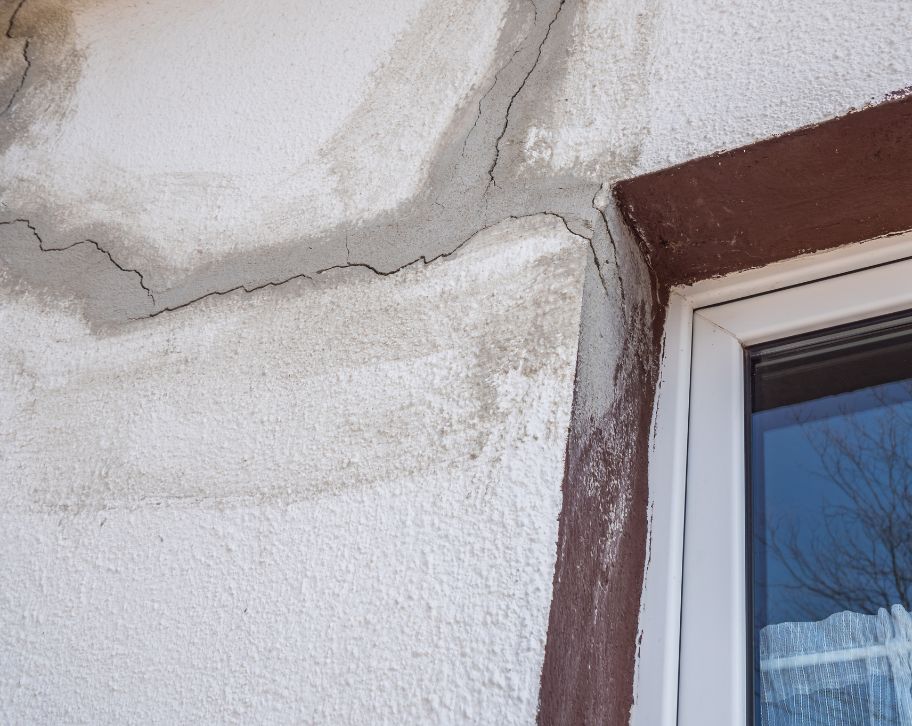
A steel lintel spans the opening and transfers the weight of masonry above it to the wall on either side. Cracks, rust stains or displaced brick can point to lintel damage, but no single sign confirms the cause. The lintel may be hidden behind the brick, and moisture or movement elsewhere can create similar symptoms. Checking the support, surrounding wall and water paths helps clarify what repair may be needed.
The visible brickwork is only part of the assembly. Flashing, mortar joints and drainage details can affect how water moves through or away from the wall, while repairs to a window or nearby masonry may change those paths. An inspection should consider these parts together rather than treating the crack as an isolated surface defect.
A lintel is a support set above an opening, where the wall cannot carry its weight straight down through the bricks. It spans the window and sends that load toward the masonry at each side. Depending on the building, the support may be steel, concrete, stone, timber or a masonry arch, and a brick lintel guide notes these components are essential to how the wall carries load above an opening. Brick veneer and solid masonry walls can use different details, and the lintel may be concealed behind the outer brick.
In a brick-veneer wall, the outer brick layer and the structure behind it do not necessarily carry loads in the same way. That affects how the lintel is supported and how a replacement should be fitted. You may not be able to identify the wall construction or lintel material just by looking at the exterior, so avoid assuming that every crack above a window needs the same repair.
Rusting steel can expand and push against nearby mortar and brick, a corroding lintel problem that leads to cracks or movement around the opening. A horizontal crack above the window, rust stains, flaking steel, loose mortar, bulging brick or a sagging line may point to a problem. A window that sticks or no longer fits squarely can also accompany wall movement. Hidden corrosion may leave no visible stain, so an inspection should consider the whole area.
Look at whether the signs occur together and whether they are changing. For example, a rust mark by itself does not show how much steel remains sound, and a crack may follow a mortar joint without indicating that the lintel has failed. The condition of the masonry at both ends of the opening can also matter because that is where the lintel transfers its load.
Cracks above windows can have causes beyond rusting steel, including settlement, moisture, temperature movement or past construction work. Their shape and location help guide an inspection, but they do not establish a diagnosis. brick wall problems may also result from several issues acting together, such as water entry and a deteriorating lintel. Reviewing the rest of the wall can help distinguish a local problem from wider movement.
A repair made only to the visible crack may not last if water is still entering or the wall is continuing to move. The source of the damage can be difficult to identify from a photograph because the lintel, flashing and wall construction may be hidden. An on-site review lets a mason compare the opening with the nearby brickwork and note where further assessment may be needed.
Horizontal cracks above the opening may follow the lintel or a mortar joint, while diagonal or stair-step cracks often begin near a window corner. Cracks through bricks, rather than only the mortar, deserve attention in context. Cracks near the lintel ends may relate to the support or the masonry beneath it. Widening, displacement, loose brick and changes around the window matter as much as the pattern itself.
Use the pattern as a record of what you see, not as a diagnosis. Note whether the crack follows a joint, crosses brick faces or appears on more than one part of the wall. A change in the gap or a shift in the brickwork can be more useful to an inspector than the crack’s shape alone.
|
Crack pattern |
What it may suggest |
What else to check |
|---|---|---|
|
Horizontal above the opening |
Lintel movement, corrosion or a joint opening |
Rust, sagging or a long crack |
|
Diagonal or stair-step |
Stress or movement near the opening |
Other cracks or changes in nearby frames |
|
Through bricks |
Greater stress or damaged units |
Displacement, loose masonry or water |
|
Near lintel ends |
A support or masonry issue |
Condition of the wall at each end |
Settlement or movement in the building can create masonry cracks near a window, but one crack does not prove a foundation problem. Water entry, freeze-thaw damage, temperature changes and worn mortar can also contribute. Failed flashing, blocked drainage paths or a window replacement may affect how the wall sheds water or carries loads. Since several factors can overlap, a proper check includes the whole wall rather than only the visible crack.
Pay attention to the condition of nearby mortar and brick, as well as the window perimeter and any visible water staining. Note whether similar cracks appear at other openings or on other parts of the same wall. These details can help an inspector decide whether the concern is limited to one opening or should be reviewed as part of a broader assessment.
The urgency depends on whether the crack is changing and whether nearby masonry appears loose, displaced or unsupported. A stable mortar crack may need a planned repair, while growing cracks, bulging brick or a sagging lintel call for prompt professional attention. Brick cracks above windows should be recorded rather than covered before their cause is understood. Avoid disturbing masonry that may be under stress.
If you are unsure whether brick is secure, do not pull at it or stand directly below loose material. Keep others away from the area and ask for an assessment. The next step may be a masonry review or, where movement or support is uncertain, input from a structural engineer. The appropriate professional depends on what the inspection finds.
Arrange an assessment if a crack widens, returns after repair, crosses several bricks or appears with bulging brick or loose masonry. A visibly sagging line, a bent or heavily rusted lintel, water entering indoors or a shifting window frame also deserves prompt attention. Cracks across several openings may point to a wider issue. If brick could fall, keep people away from the area; significant movement or an uncertain load path may need a structural engineer’s review.
Water entering around a window should also be noted, even if the masonry does not appear to be moving. The entry point may not be directly above the stain, and sealing the visible area without understanding the water path may not address the cause. Share any indoor staining, dampness or past leak repairs with the person assessing the wall.
Take dated photos from close up and farther back, adding a ruler for scale where practical. Record the crack’s location, direction and any changes, along with water stains, rust marks or window problems. Check other openings and accessible parts of the same wall for related signs. Note past repairs, renovations and window replacements, but do not remove bricks, cut mortar or probe the crack.
Use the same general viewing angle for later photos so you can compare the area more consistently. Write down when you first noticed the crack and whether you have seen changes after rain or other work, without assuming that timing proves a cause. These notes can give a contractor useful context, but they do not replace an inspection.
lintel repair depends on the condition of the support, the cause of cracking and the surrounding masonry. Repointing can renew worn mortar, but it will not correct a lintel that is moving or has lost strength. More extensive work may require temporary support, lintel replacement and rebuilding brickwork. Water management also matters, since an unresolved leak can damage a new repair.
Before work begins, ask what the proposed scope includes and what could change once the wall is opened. Depending on the site, the work may involve protecting the window, removing and rebuilding brick, addressing flashing or drainage details, and matching mortar and brick as closely as practical. The contractor should explain any limits to the estimate where concealed conditions cannot be confirmed in advance.
repair vs repointing; it does not repair a damaged structural support. Small, stable cracks or light surface rust may allow a localized repair, but steel that has flaked through or lost strength may need replacement. Replacement usually involves temporary support, staged removal, installation of a suitable new lintel and rebuilding affected brickwork. The work should also restore flashing and drainage paths, with engineering input if the span or wall condition calls for it.
The repair method should follow an assessment of the lintel and the masonry it supports, not the crack pattern alone. A contractor may need to expose part of the assembly to confirm its condition and how it was installed. If the wall construction or support arrangement is unclear, ask how that uncertainty will be addressed before approving a scope.
Lintel repair cost in Canada varies with the choice between repair and replacement, opening size, access, masonry project costs work. Reference figures from Atlantic Brick and Stone put many door or window lintel repairs around $2,500, with complex work exceeding $5,000. These are guide figures, not a quote or guaranteed local price; opening the wall may reveal concealed damage. Request a written scope covering temporary support, masonry, flashing, drainage and exclusions. Atlantic Brick and Stone offers on-site assessments and no-cost written estimates in the Fredericton area.
The estimate should make clear whether it covers materials, removal and rebuilding, window protection, disposal and any related water-management work. If the work may uncover additional damage, ask how changes will be documented and approved. Comparing written scopes is more useful than comparing totals alone when contractors include different tasks or exclusions.
Rusting steel is one possible cause of cracks above windows, but a crack alone cannot confirm it. Check for movement, water entry and damaged masonry before choosing a repair. Record changes and arrange an assessment if warning signs appear. If the cause or work scope remains unclear, ask a local masonry professional for a written assessment.
These answers cover practical questions about lintel repairs, windows, insurance and home purchases. Coverage and repair methods depend on the policy, building and damage. An on-site review can clarify questions that photographs alone cannot answer.
Home insurance coverage depends on your policy, the cause of damage and your insurer’s review. Check the policy wording and contact the insurer before assuming the repair is covered. Keep photos and masonry warranty to share if requested.
Yes, movement or pressure in the masonry can affect how a window fits or opens. A stiff window can also result from hardware, frame or seasonal issues. Have the surrounding wall checked before linking the problem to the lintel.
Sometimes, but access and the repair method depend on the wall, opening and damage. Ask the contractor whether the window needs removal and how it will be protected. The plan should also address nearby finishes and water paths.
It can, especially if brickwork must be removed and rebuilt with match existing brickwork. Brick size, colour, texture and mortar style affect how visible the repair looks. Matching matters even more on older façades.
Yes, consider an assessment if the crack is widening, crosses bricks or appears with displaced masonry. A written estimate can outline possible work, but the crack alone cannot confirm its cause or full repair scope.
GET STARTED
Create stunning structures with our residential and commercial masonry services in Fredericton. From meticulous designs to the completed build, our process is professional and rewarding, and we can’t wait to build your dream with you.
Atlantic Brick and Stone, one of the best masonry contractors in Fredericton, NB
Contact
8 Muskie Street, Lower Kingsclear, New Brunswick E3E 0E7, Canada