
Epoxy usually bonds a stable concrete crack when structural repair is the goal; polyurethane usually seals water leaks and handles limited movement. The right choice depends on crack activity, moisture, foundation material, and whether the repair must restore concrete continuity.
Choosing between epoxy and polyurethane injection for a foundation crack is not just a material decision. An inspection can help determine whether the crack is stable, whether water is entering, and whether masonry or drainage work may also be needed. The repair should address the crack’s cause and the result you want, not just cover the visible opening.
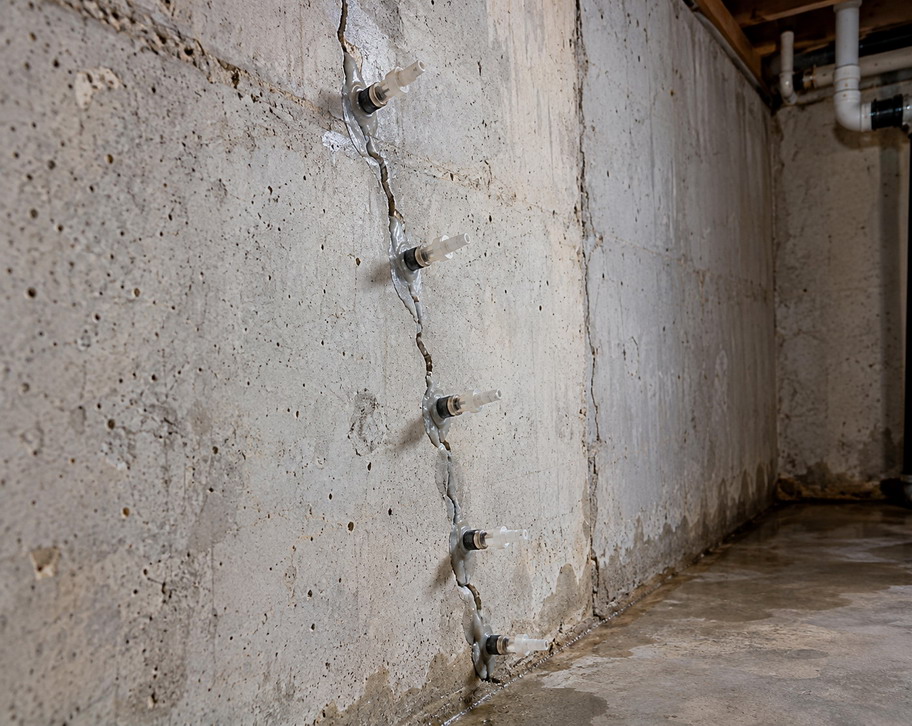
Epoxy injection is generally used to bond a suitable, stable crack in poured concrete, while polyurethane crack injection is generally used to block water. That distinction helps guide foundation crack repair, but it does not replace an on-site evaluation. Crack movement, moisture, concrete condition, and the repair goal all affect the recommendation. One material may suit a dry structural crack, while another may better seal an active leak.
can epoxy fix foundation cracks may suit a stable crack when the goal is to bond the concrete faces. The resin cures into a rigid material and may help restore continuity across sound concrete. It cannot stop settlement, soil pressure, or other causes of ongoing movement. Water and temperature conditions also affect product choice, so the installer must follow the product requirements.
Before choosing epoxy, ask whether the crack and surrounding concrete are suitable for bonding. Loose or deteriorated concrete may affect the repair, and a crack that continues to move may reopen or require a different approach. The contractor should explain how the crack was assessed and whether the proposed repair is intended to restore continuity, stop water, or address both.
Polyurethane injection for foundation repair is often used when water passes through a foundation crack. Some products react with moisture, expand, and block water pathways, while flexible formulations can handle limited movement. The cured material does not necessarily restore the concrete’s structural strength. Products vary, so ask what the chosen resin is intended to do and what limits apply.
If water is actively entering, the contractor may need to consider how the product behaves in wet conditions and how the crack will be prepared. Ask whether the repair is meant to stop the current leak only or whether the contractor has assessed nearby joints and openings as well. A seal at one point may not address water travelling through another part of the wall.
|
Consideration |
Epoxy injection |
Polyurethane injection |
|---|---|---|
|
Main purpose |
Bonding a suitable, stable concrete crack |
Sealing water pathways |
|
Cured behaviour |
Rigid |
Often flexible or foam-like |
|
Wet conditions |
Depends on the product |
Some products suit wet or leaking cracks |
|
Structural role |
May restore continuity when properly specified |
Usually focused on water control |
|
Movement |
Poor fit for ongoing movement |
Some products handle limited movement |
The table gives a general comparison, not a guarantee of performance. A contractor should explain how the crack’s condition and the product’s instructions affect the choice. Injection grouting for cracks can fail when the material does not match the repair goal or site conditions. Ask how the installer will confirm that the resin has reached the intended area and what result you should expect after the work.
Check a foundation crack’s pattern, width, history, moisture, and signs of movement before choosing an injection method. These clues can guide an inspection, but they do not prove the cause by themselves. A crack in poured concrete differs from a gap in a block, brick, or stone wall. The foundation type and surrounding site conditions can change both the repair material and the work required.
Record where the crack starts and ends, its direction, and whether either side sits higher than the other. Horizontal, diagonal, or stepped cracks may call for closer review, but appearance alone cannot diagnose the cause. Take dated photos and note any changes in length, width, or water entry. bowing brick wall, recurring cracks, uneven floors, or doors and windows that suddenly stick are reasons to arrange an on-site inspection.
For useful records, take photos from the same position and include a wider view showing where the crack is on the wall. Note when you first saw it and whether water appeared after particular conditions, such as heavy rain or snowmelt. These details do not establish the cause, but they can help the contractor compare your observations with what they find during the visit.
A simple record can help describe what has changed, but it cannot confirm whether a wall is safe. Avoid covering a crack before documenting it, especially if it has changed or leaked. Share the record with the professional who inspects the foundation. This gives them useful context alongside what they see on site.
Note whether the crack is dry, damp, or actively leaking, and when water appears. Poured concrete has a different structure from concrete block foundation types, where mortar joints and hidden spaces can affect water paths. Check whether grading, eavestroughs, downspouts, or window wells direct water toward the building. In New Brunswick, product choice and installation conditions can also vary with temperature, so the contractor should follow the product’s guidance.
A leak may appear at a crack even when water travels through a nearby joint or void. causes of efflorescence, a white mineral deposit on masonry, can show that moisture has moved through the material, but it does not identify the source. Ask the contractor to explain whether the proposed work treats the visible opening or a wider water path. That distinction helps set realistic expectations for basement waterproofing from inside options.
Share any previous repair details, if available, including what material was used and whether the leak returned. Old patching can hide part of a crack or affect preparation, so it helps the contractor understand what they are seeing. Also point out other damp areas in the basement. A pattern of moisture in several places may call for a broader assessment than injection at one crack.
Injection can treat a defined crack or water path, but it does not repair every foundation or moisture problem. Epoxy may bond a suitable crack, while polyurethane may seal a leak, depending on the product and conditions. Neither method automatically corrects drain tile basement, ongoing soil pressure, or water entering elsewhere. Ask what the proposed work covers and what remains outside its scope.
An injection repair targets a particular crack for a specific purpose, such as bonding concrete or stopping water. Sealing one opening does not correct poor drainage, continued soil pressure, or water entering through another part of the foundation. Moisture may still reach the basement through a joint, opening, or porous area nearby. Ask the contractor to describe the treated area, the expected result, and any exclusions.
Foundation waterproofing injection is not the same as waterproofing concrete foundation. A crack repair may not address a wall-floor joint, a window opening, or an exterior membrane in poor condition. If dampness occurs in several places, ask whether the inspection included those areas. The repair plan should distinguish a local crack seal from broader water-management work.
It is also useful to confirm how the work will be accessed and whether any interior finish or stored belongings need to be moved. Access and preparation depend on the location and condition of the crack. Ask what you need to clear before the appointment and whether the repair includes patching or finishing the surface afterward. Those details help you understand what the work will look like when complete.
A bulging wall, visible displacement, connected cracks, or signs of ongoing movement may point to a wider issue. Horizontal cracks with wall movement need careful review before injection is treated as the full repair. Block, brick, stone, or historic foundations may need masonry work, such as repointing historical structures, which means renewing worn mortar joints. If water has several possible entry points, discuss drainage and other water-management steps as well.
A moving foundation may need a structural review before anyone chooses a resin. Injection alone cannot correct major displacement or ongoing settlement. A masonry chimney inspection may identify whether localized repair or repointing fits the wall better. The recommended work should match the foundation material and the condition found on site.
If the inspection identifies more than one concern, ask the contractor to separate the immediate repair from any additional work being considered. For example, a crack seal and drainage changes address different parts of a water problem. Knowing what each recommendation is meant to do can help you decide what to address first and what requires a separate assessment.
Repair proposals are easiest to compare when each one explains the cause, material, work area, and expected outcome. Concrete injection cost varies with the crack’s length and number, access, foundation type, active water, and preparation needs. Previous repairs or related drainage, masonry, or structural work may also change the scope. A quote for injection may cover only the treated crack.
The number and length of cracks, access to the wall, and the foundation material can affect the work. Active water, surface preparation, and previous repairs may add steps or change the product choice. Related drainage or structural work may be priced separately from injection. Compare written quotes that describe the same areas, materials, preparation, and surface finishing.
Ask whether the quoted work includes only injection or also inspection and follow-up. A proposal should state whether the contractor will remove old patching or finish the surface after curing. It should also identify work that is not included. That detail makes it easier to compare quotes without relying on a general price.
Check that the proposal identifies which cracks or sections of wall are included, rather than referring broadly to foundation repair. If the contractor recommends separate work, ask for its purpose and whether it is included in the quote. These specifics make it easier to compare proposals on scope, not just on the material named or the total amount.
Before hiring masonry repair contractor, ask whether the repair aims to stop water, bond concrete, or do both. Find out why epoxy or polyurethane suits the crack, and whether the contractor found signs of movement or water entry. Clarify which parts of the crack will be treated and what could cause the issue to return.
Also ask what the repair does not cover, whether drainage work is recommended, and what warranty terms apply. Warranty details depend on the provider and the scope, so request them in writing. Atlantic Brick and Stone assesses and repairs cracks in brick, stone, and foundation repairs in Fredericton and nearby areas. If a proposal is unclear, ask for an inspection and a plain explanation of the options.
You can also ask what preparation the work requires, how the repaired area will be finished, and whether the contractor recommends any follow-up observation. The answers should match the product and the condition of your foundation. Keep the written proposal and any repair records with your dated photos so you can refer to them if the crack or leak changes later.
Epoxy may suit a stable concrete crack when bonding is the goal, while polyurethane may suit a leak when water control matters most. Movement, moisture, foundation type, and the cause of the crack can change that choice. Have the crack and surrounding conditions inspected before deciding which foundation repair methods fits.
These answers cover common planning questions about foundation crack injection. Product requirements, site conditions, and insurance policies vary. Ask for details that apply to your property before agreeing to work.
There is no single price for foundation crack injection across Canada. The cost depends on crack length and number, access, water conditions, foundation type, and the work included. Compare written quotes that describe the same repair scope instead of relying on a general price.
Some small surface repairs are sold for do-it-yourself use, but injection requires the right material and preparation for the crack. A surface patch may not reveal movement or the source of water. Arrange a professional inspection for a leaking, recurring, displaced, or unclear crack.
Take dated photos and foundation crack inspection’s length, width, or position. New water entry or displacement can also indicate a change. These notes help track the crack, but a widening crack or distorted wall needs an on-site inspection.
Coverage depends on your policy and the cause of the damage. Review the policy wording and contact your insurer before assuming repair costs are covered. Ask whether the insurer needs photos, an inspection, or other records before work begins.
A contractor may recommend one material or a planned combination, depending on the crack and repair goal. Product compatibility and installation steps matter. Ask what each material is expected to do and why a combined method is appropriate.
GET STARTED
Create stunning structures with our residential and commercial masonry services in Fredericton. From meticulous designs to the completed build, our process is professional and rewarding, and we can’t wait to build your dream with you.
Atlantic Brick and Stone, one of the best masonry contractors in Fredericton, NB
Contact
8 Muskie Street, Lower Kingsclear, New Brunswick E3E 0E7, Canada