
Spot a hairline crack in your Fredericton concrete surface? Don’t ignore it. In New Brunswick, the brutal freeze-thaw cycle turns small cracks into costly structural damage fast. Moisture seeps in, freezes, expands, and what started as a minor imperfection becomes a serious problem.
Proper concrete crack repair comes down to three things: accurate assessment, correct materials, and thorough preparation. Get these right, and your repair lasts. Get them wrong, and you’re back to square one every spring.
This guide covers crack identification, DIY options, and when to call professionals like Atlantic Brick and Stone, so you can protect your investment with confidence.
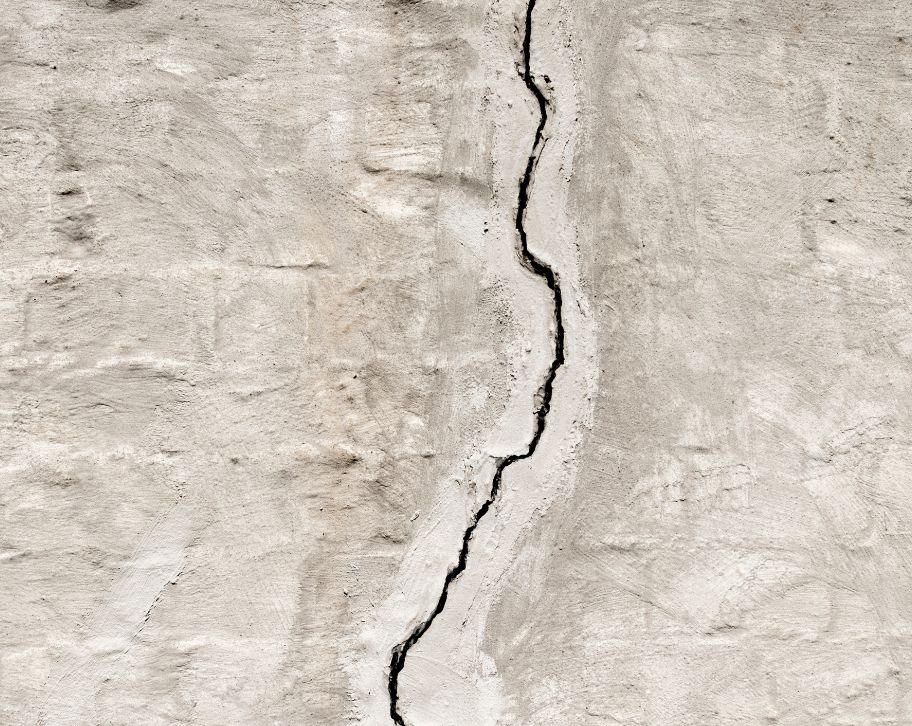
Before reaching for repair materials, you need to understand what you’re dealing with. Concrete has a fundamental weakness: while incredibly strong under compression, it’s surprisingly weak under tension. This means all concrete will eventually crack, the question is whether those cracks are cosmetic issues or signs of serious structural problems.
In the Fredericton area, our climate adds complexity. Temperature swings between humid summers and frigid winters create constant expansion and contraction. Water seeps into pores and cracks, freezes, expands by roughly 9%, and exerts tremendous pressure from within. When it melts, the concrete settles unevenly, creating new cracks or widening existing ones.
The distinction between structural and non-structural cracks is critical. Non-structural cracks are surface-level issues caused by shrinkage or minor settlement. They’re annoying and can let water in, but they don’t threaten your structure’s integrity. Structural cracks indicate movement in the foundation or slab, often caused by soil problems, inadequate reinforcement, or serious water damage. These require professional assessment and intervention.
Shrinkage cracks appear during the curing process as water evaporates and the concrete contracts. If restrained by surrounding material, tensile stress builds until cracking occurs. These thin, random cracks are generally not structural concerns, but can allow moisture penetration if left unsealed.
Settlement cracks result from shifting or eroding ground beneath your concrete. In New Brunswick, spring run-off is a major culprit, heavy rains can wash away soil from beneath slabs, creating voids. These cracks often appear as wider fissures with differential settlement, where one side sits higher than the other, a sign of underlying soil instability that must be addressed before any repair will last.
Expansion and heaving cracks are particularly common in the Fredericton region. When soil moisture freezes, it expands and pushes concrete upward through frost heave. Spring thawing then drops it back down, rarely evenly. This repeated movement creates deep fissures, structural damage, and visibly raised or sunken sections over time.
Hairline cracks are thin surface cracks, typically less than 1.5 mm wide, caused by surface shrinkage or minor thermal movement. Though mostly cosmetic, they shouldn’t be ignored in our climate. Even tiny openings can allow water penetration, and the freeze-thaw cycle will steadily widen them into significant cracks within just a few seasons.
Width is your first indicator of severity. Cracks narrower than 6 mm (1/4 inch) are generally cosmetic and can be handled with standard fillers. Once a crack exceeds 6 mm, you’re likely looking at structural movement requiring professional assessment, indicating significant forces from foundation settlement, soil expansion, or structural overload.
The concept of active versus dormant cracks is critical for determining your repair approach. A dormant crack has stopped growing, representing a one-time event. An active crack continues to grow, indicating ongoing movement. To test this, mark the ends with pencil and monitor for several months. If it extends beyond your marks, it’s active. Filling an active crack without addressing the underlying cause is pointless, the repair will fail as movement continues.
Several warning signs indicate you need professional inspection rather than DIY repair:
Cracks wider than 12 mm (1/2 inch)
Differential settlement where one side is higher than the other
Cracks near load-bearing columns or support structures
Water leakage through foundation cracks
Recurring cracks that reopen after repair
Recurring cracks are particularly telling. If a filled crack reappears within a year, you haven’t addressed the root cause, often ongoing drainage issues, soil instability, or foundation movement. Atlantic Brick and Stone offers comprehensive inspection services that identify these underlying causes, providing lasting repairs rather than temporary fixes.
Selecting the right materials and tools for your concrete crack repair isn’t just about convenience, it’s the difference between a repair that lasts decades and one that fails with the next freeze-thaw cycle. In the Fredericton area, where temperature swings can exceed 60 degrees Celsius between summer and winter, choosing materials that can withstand these extremes is non-negotiable. The wrong product will crack, peel, or simply wash out, leaving you back where you started.
The location of your crack determines your material choice. Horizontal cracks in concrete path and patios face different stresses than vertical cracks in foundation walls. Horizontal surfaces must withstand vehicle weight, foot traffic, and water pooling, while vertical cracks need to accommodate slight wall movement and prevent water infiltration. The width and depth of the crack also matter, a hairline surface crack requires a completely different approach than a deep structural fissure.
Concrete liquid filler is ideal for thin horizontal cracks under 6 mm wide. Its self-levelling, pourable consistency allows deep penetration into narrow openings, creating a bond throughout the crack’s depth. Polymer-based formulas offer flexibility during temperature shifts, making them perfect for garage floors, basement floors, and other horizontal surfaces needing a smooth, level finish.
Polyurethane sealants remain flexible for years, accommodating the thermal expansion and contraction common in New Brunswick’s climate. Unlike rigid fillers that crack under stress, polyurethane stretches and compresses with concrete movement. These sealants are excellent for driveways and walkways, offering superior waterproofing that prevents freeze-thaw damage, with a lifespan of 10–20 years when properly applied.
Epoxy injection kits are the gold standard for structural foundation crack repairs. Epoxy forms a chemical bond stronger than the surrounding concrete, fully filling cracks from interior to exterior. Atlantic Brick and Stone uses professional-grade epoxy systems to not just seal foundation cracks, but structurally reinforce them for lasting integrity.
Concrete patching compound is a thick, mortar-like material suited for larger holes, deep cracks, or spalled areas where concrete needs rebuilding. Vinyl or acrylic resins improve adhesion and flexibility over standard concrete mixes. For cracks deeper than 12 mm or areas with significant deterioration, always choose a compound formulated to withstand harsh freeze-thaw cycles.
Backer rod is a critical but often overlooked component in crack repair. This flexible foam rope is inserted into deep or wide cracks before sealant application, preventing it from sinking too deep and avoiding “three-sided adhesion,” which restricts the sealant’s ability to flex. For any crack deeper than 12 mm or wider than 6 mm, backer rod is essential for a durable, long-lasting repair.
Safety gear is essential, not optional. Concrete dust contains crystalline silica, which causes serious lung damage. An N95 or P100 respirator is mandatory when cutting, grinding, or chiselling. Safety glasses protect against flying chips, and heavy-duty nitrile gloves shield your hands from concrete’s alkalinity and harsh repair chemicals.
Cleaning tools are critical, 90% of repair failures come from poor surface preparation:
A stiff wire brush removes loose concrete, dirt, and laitance
A shop vacuum clears all dust and debris from the crack
A pressure washer (for exterior surfaces) removes deep-seated dirt, oil, and organic growth
Excavation tools prepare the crack for proper bonding. A hammer and cold chisel let you undercut the crack into an inverted V-shape, wider at the bottom than the top, mechanically locking the repair material in place. An angle grinder with a diamond blade can route the crack instead, creating clean vertical edges for better aesthetics and more reliable bonding.
Application tools depend on your chosen repair material. A high-ratio caulking gun is necessary for thick epoxies and polyurethane sealants. A margin trowel and putty knife help work patching compound into cracks and smooth the surface flush with surrounding concrete. For liquid fillers, trim the applicator nozzle to match your crack’s width.
Horizontal concrete surfaces, driveways, patios, garage floors, and walkways, face specific challenges in our climate. Water pools on these surfaces, and in winter, that water freezes. The goal of horizontal crack repair is straightforward: prevent water from entering the crack, where it can freeze, expand, and turn a minor crack into a major structural problem. The process requires patience and attention to detail, but the results can last for decades when done properly.
The single most common mistake in concrete crack repair is rushing the preparation phase. Many people want to simply squeeze some filler into the crack and call it done. This approach might look acceptable for a few weeks, but it will fail. Proper preparation creates the mechanical and chemical bonds that make a repair last through years of freeze-thaw cycles, vehicle traffic, and temperature extremes.
Start by creating a proper profile for the crack. Use a hammer and cold chisel to “undercut” the edges, creating an inverted V-shape where the bottom is wider than the top. This might seem counterintuitive, but this shape mechanically locks the repair material in place, much like a dovetail joint in woodworking. For visible surfaces like front walkways, use an angle grinder with a diamond blade to “chase” the crack, cutting clean vertical edges at roughly 6 mm (1/4 inch) deep. This creates a uniform channel that accepts filler evenly. The dust generated is significant, so your respirator is essential.
Once shaped, remove every trace of debris. Scrub the interior surfaces vigorously with a stiff wire brush to eliminate the weak surface layer called laitance, which forms on concrete as it cures. This chalky layer won’t bond with repair materials, so scrub until you’re seeing solid, sound concrete.
After brushing, vacuum the crack thoroughly with a shop vacuum, don’t substitute this with compressed air, as you need to physically remove dust rather than just redistribute it. For exterior cracks, a pressure washer can remove deep-seated dirt and organic growth like moss or algae.
If you’re repairing a garage floor or driveway with oil contamination, degreasing is mandatory. Apply a heavy-duty concrete degreaser, scrub thoroughly, and rinse completely. The crack must then dry fully before proceeding, most polymer-based fillers and epoxies won’t bond to damp concrete unless specifically labelled as moisture-tolerant.
For thin cracks less than 6 mm (1/4 inch) wide, liquid crack filler is your best option. Shake the product thoroughly before use. Cut the applicator nozzle at an angle to match the crack width, then fill from the highest point downward. Slightly overfill the crack, most fillers shrink as they cure. Allow 24 hours to cure, then apply a second coat if the filler has shrunk below the surface. The first coat penetrates and bonds; the second brings it flush and seals.
For cracks wider than 6 mm (1/4 inch) or deeper than 12 mm (1/2 inch), use a backer rod before applying sealant. Choose a rod slightly wider than the crack so it compresses when inserted. Push it down until it sits roughly 6 mm (1/4 inch) below the surface, leaving enough room for adequate sealant depth without wasting material.
Apply polyurethane sealant with a caulking gun in one continuous bead from end to end, stopping and starting creates weak points. Slightly overfill, then smooth the surface level with a putty knife dipped in mineral spirits. This prevents sticking and produces a clean, professional finish.
For a better aesthetic match, lightly sprinkle dry sand over the tacky sealant to mimic the texture of surrounding concrete. Apply sparingly, just enough for texture.
Curing time is critical. Most products require 24 to 48 hours to fully cure, longer in cold weather. Keep foot traffic, vehicles, and water away during this period. In the Fredericton area, Atlantic Brick and Stone specializes in winter repairs using climate-optimized materials to ensure proper curing even in cold conditions.
Vertical cracks in foundation walls require a fundamentally different approach than horizontal surface cracks. These cracks often indicate structural movement or settlement, and they pose a direct risk of water infiltration into your basement or crawl space. In the Fredericton area, where spring rainfall can be heavy and water tables fluctuate, a leaking foundation crack can quickly lead to basement flooding, mould growth, and serious structural damage.
The key distinction in vertical concrete crack repair is between structural restoration and waterproofing. Some cracks need their structural integrity restored, you’re essentially welding the concrete back together. Other cracks are primarily waterproofing concerns, where the goal is to create a flexible, watertight seal that accommodates slight ongoing movement. Understanding which approach your situation requires is critical, and for most homeowners, this determination is best left to professionals like Atlantic Brick and Stone, who can assess the crack’s cause and severity.
Epoxy injection is the gold standard for restoring structural integrity to cracked foundation walls. Unlike surface repairs, it fills the entire crack from the interior face to the exterior soil side, creating a bond stronger than the surrounding concrete. process begins with installing injection ports along the crack at intervals of 150 to 300 mm, adhered using fast-setting epoxy paste. Spacing depends on the crack’s width and depth, with wider cracks requiring closer ports. Once secured, the entire crack between ports is sealed with a thick layer of epoxy paste. This surface seal forces injected epoxy deep into the crack rather than out onto the wall surface. Leaving gaps will result in epoxy leaking during injection, wasting material and producing an incomplete repair. surface seal cures (usually 2-4 hours), injection begins at the lowest port using a specialized gun. Epoxy is viscous and flows slowly, so patience is essential. Continue injecting until epoxy oozes from the port above, indicating the crack is filled between those two points. Cap the lower port and move upward, repeating until all ports are done.top approach prevents air pockets from forming. Air trapped in the crack creates voids where water can still penetrate and where the structural bond remains incomplete. Working upward uses gravity to ensure complete filling. epoxy has cured (typically 24-48 hours), port necks can be snapped off flush with the wall. Any remaining surface epoxy can be ground smooth with an angle grinder, leaving a crack that’s structurally reinforced throughout its entire depth.
While epoxy provides structural strength, polyurethane foam excels at waterproofing, especially for cracks that are active or experiencing slight movement. Unlike epoxy, polyurethane remains flexible and expands significantly upon contact with moisture.
This expansion is polyurethane’s key advantage. When injected into a crack, the foam expands to fill the entire void, reaching every irregularity and extending through the wall to the soil side. The result is a complete seal that prevents water infiltration.
The flexibility of cured polyurethane is equally important. Foundation walls shift due to soil expansion, settling, and temperature changes. A rigid epoxy repair in an active crack will eventually fail as the wall moves. Polyurethane accommodates this movement, stretching and compressing without losing its seal, making it ideal for cracks showing ongoing activity or where the underlying cause hasn’t been fully resolved.
The injection process is similar to epoxy, ports are installed, the crack is surface-sealed, and material is injected from bottom to top. However, polyurethane requires slower, more controlled injection to prevent excessive expansion or blowouts.
Choosing between the two requires professional assessment. Atlantic Brick and Stone evaluates each crack individually, considering width, movement, water infiltration, and overall foundation condition. In some cases, both materials are used together, epoxy for structural restoration in dormant sections, and polyurethane where active movement or leaks are present.
Filling a crack addresses the symptom, but preventing future cracks requires addressing the causes. In the Fredericton area, proactive maintenance is far more cost-effective than repeated repairs, and most preventive measures are straightforward and don’t require specialized skills or expensive equipment.
The fundamental principle of concrete crack prevention is moisture management. Water is concrete’s enemy in our climate, it causes erosion of supporting soil, creates freeze-thaw damage, and contributes to expansion and contraction cycles that stress the material. Control water, and you’ve eliminated the primary cause of concrete failure.
Water management starts with your gutters and downspouts. Ensure downspouts discharge at least 2 metres away from your foundation to prevent the soil beneath your concrete slabs from becoming saturated. Waterlogged soil loses its load-bearing capacity and can wash away, creating voids beneath your concrete that cause settling and cracking. The ground around your foundation should also slope away at a minimum grade of 5%, directing rainwater and snowmelt away from your concrete rather than allowing it to pool.
Sealcoating provides a protective barrier that prevents water and harmful chemicals from penetrating concrete. Apply a high-quality silane or siloxane penetrative sealer after completing crack repairs. These sealers line the pores of the concrete, causing water to bead on the surface rather than soak in. In New Brunswick, sealcoating also protects against road salt and de-icing chemicals, which are highly corrosive to concrete. Reapply sealer every 2-3 years for optimal protection.
Expansion joint maintenance is often overlooked but critical. Expansion joints allow concrete to expand and contract with temperature changes without building up stress. If joints become clogged with debris, the concrete can’t expand properly and cracks elsewhere to relieve the pressure. Inspect joints annually, clear out debris, and replace any deteriorated filler with flexible material.
Vegetation control is equally important. Trees with aggressive root systems, silver maples are notorious in our area, can exert tremendous pressure as their roots grow, lifting and cracking concrete slabs. Keep trees at least as far from concrete surfaces as their mature canopy width.
Professional inspections provide early detection before problems become costly failures. Annual masonry inspections by Atlantic Brick and Stone can identify micro-cracks, early settlement, or drainage issues before they cause visible damage. Addressing these issues early is far less expensive than waiting for major structural repairs.
The most effective prevention starts with proper installation. Quality concrete mix, appropriate reinforcement, correct water-cement ratios, and careful curing all contribute to concrete that resists cracking. Investing in quality materials and professional installation pays dividends for decades.
There’s a time and place for DIY concrete repair, and there’s a time when professional expertise isn’t just helpful, it’s essential. Many homeowners successfully repair small cosmetic cracks in their walkway or garage floors, and we encourage appropriate DIY projects. However, certain situations demand the experience, specialized equipment, and comprehensive approach that only professionals can provide.
Understanding when to make that call can save you money, prevent safety hazards, and protect your property’s long-term value. Here are the clear indicators that professional intervention is necessary.
Structural sinking or differential settlement is a red flag. If one side of a crack is higher than the other, you’re facing serious soil support issues requiring professional assessment, not simple filling.
Cracks wider than 12 mm (1/2 inch) signal significant structural movement. Causes include foundation settlement, soil expansion, or structural overload. A comprehensive repair plan addressing root causes and visible damage is essential.
Foundation bowing or walls leaning inward is a structural emergency. DIY repairs are ineffective and dangerous. Professional reinforcement, including wall anchors or carbon fiber systems, may be necessary to prevent collapse.
Cracks near load-bearing columns or support structures can compromise your building’s integrity. They may indicate uneven settlement or inadequate foundation support. Ignoring them risks catastrophic structural failure.
Recurring cracks that reopen after repair signal unresolved root causes like drainage problems, soil instability, or foundation movement. Atlantic Brick and Stone diagnoses underlying issues and recommends lasting solutions beyond surface-level fixes.
Active water leakage through foundation cracks risks flooding, mould, and structural damage. Professional waterproofing using injection techniques seals cracks completely, while exterior drainage improvements prevent future leaks.
Commercial properties require professional repairs that minimize downtime and meet specific standards. Rapid-set materials, warranties, and tailored approaches protect retail lots, warehouse floors, and loading docks from liability and disruption.
Atlantic Brick and Stone brings over 15 years of specialized expertise in Fredericton’s climate. We understand how freeze-thaw cycles, soil conditions, and temperature extremes affect concrete, and our professional inspections diagnose underlying causes, foundation settlement, drainage issues, or soil instability, that DIY approaches miss.
We employ advanced techniques including crack stitching, metal plate reinforcement, epoxy injection for deep structural cracks, and polyurethane foam injection for active cracks requiring flexible, watertight seals.
Our winter repair capabilities also set us apart. While most products require temperatures above 5°C, our specialized equipment and materials allow successful repairs even in cold conditions, with proper curing protection included.
Most importantly, we address root causes rather than cosmetic fixes, investigating why cracks form, resolving drainage or structural issues, and implementing repairs designed to last decades. This thoroughness protects your investment and eliminates repeated repairs.
Cracks narrower than 6 mm (1/4 inch) are generally considered cosmetic and suitable for DIY repair with appropriate materials and techniques. However, once a crack exceeds 6 mm in width, it often indicates structural movement requiring professional assessment. Cracks wider than 12 mm (1/2 inch) typically demand professional intervention. Beyond width, other factors matter: active growth over time, water leakage, differential settlement where one side is higher, or location near load-bearing structures all warrant professional evaluation regardless of width.
DIY concrete crack repair during Fredericton winters is challenging because most repair products require temperatures above 5°C (40°F) for proper curing. Cold temperatures slow or prevent the chemical reactions necessary for materials to bond and harden properly. However, Atlantic Brick and Stone offers specialized winter repair capabilities using climate-optimized materials and professional-grade equipment that maintains proper curing temperatures. We also implement protective measures for freshly repaired areas, preventing freeze damage that would compromise the repair’s integrity and providing successful results even in harsh winter conditions.
Epoxy and polyurethane serve different purposes in concrete crack repair. Epoxy provides structural bonding that’s stronger than the surrounding concrete itself, making it ideal for restoring structural integrity to compromised foundations or slabs. It creates a rigid repair that essentially welds the concrete back together. Polyurethane, conversely, remains flexible after curing and expands significantly upon contact with moisture. This makes it excellent for waterproofing and for cracks that are still active or experiencing slight movement. The selection depends on your repair goals, structural strength restoration versus waterproofing and accommodation of ongoing movement.
Sealing concrete after crack repair is highly recommended, especially in Fredericton’s climate with its severe freeze-thaw cycles and heavy road salt exposure during winter. Silane or siloxane penetrative sealers create a hydrophobic barrier that prevents water from penetrating the concrete’s pores. This protection extends to both the repaired crack and the surrounding concrete, preventing new cracks from forming and protecting against salt damage. Sealing significantly extends the overall lifespan of your concrete surfaces and protects your repair investment. For optimal protection, reapply sealer every 2-3 years, particularly on high-traffic or heavily exposed surfaces like pathways.
GET STARTED
Create stunning structures with our residential and commercial masonry services in Fredericton. From meticulous designs to the completed build, our process is professional and rewarding, and we can’t wait to build your dream with you.
Atlantic Brick and Stone, one of the best masonry contractors in Fredericton, NB
Contact
8 Muskie Street, Lower Kingsclear, New Brunswick E3E 0E7, Canada