
Protecting an exposed foundation from frost heave through winter requires a careful combination of drainage management, thermal insulation, and soil correction. When sub-zero temperatures arrive in regions like Fredericton, moisture trapped in the ground freezes and expands into ice lenses, pushing upward against concrete and masonry walls. Property owners often wonder how to stop this destructive cycle before winter sets in. Can simple grading and rigid foam boards prevent costly structural damage to your home?
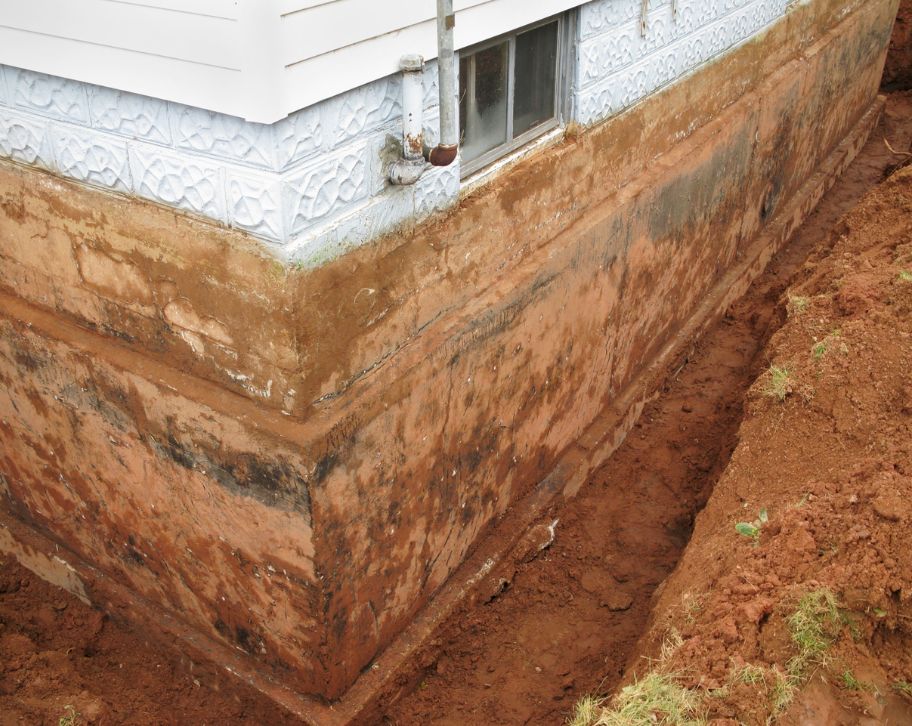
Frost heave represents a severe seasonal challenge in cold climates where freezing winter temperatures and heavy precipitation dominate the weather pattern. Ground surface soil moves upward or laterally because moisture inside the soil matrix turns to ice and expands in volume. This expansion exerts immense physical force against exposed foundations, concrete slabs, retaining walls, and outdoor masonry structures.
Exposed masonry and concrete absorb ambient cold directly from the air while interacting with expanding soils along their vertical and horizontal faces. Unlike deeply buried structural elements that sit well below the regional frost line, shallow foundation walls and slab edges intercept the active freezing zones. Understanding these mechanics helps homeowners protect their properties from shifting ground and seasonal distress.
Ground frost forms when sustained sub-zero ambient temperatures cause a freezing front to penetrate downward into the earth over several weeks. Frost-susceptible soils contain high proportions of silt and clay, which possess tiny capillary tubes that act as wicks. These tiny pores draw moisture upward from lower and unfrozen water tables toward the freezing zone.
Sufficient moisture serves as the building block for ice formation, while high water tables and poor surface drainage supply the water volume required for severe heaving. When freezing temperatures meet moisture-rich soil, discrete sheets of ice known as ice lenses begin to form. Water expands by roughly 9% when freezing, but the growth of ice lenses can cause soil volume expansions exceeding 50%.
Exposed masonry and concrete face heightened risks because they sit directly in the path of shallow frost penetration. Direct exposure to freezing air temperatures chills the upper portion of the foundation wall faster than the protected ground below. Lateral pressure from expanding ice lenses pushes directly against the exterior face of the masonry, causing structural stress.
Differences between deep footings and shallow foundation edges create differential movement across the structure. While a deep footing remains stable below the frost line, the shallow wall edge moves with the freezing soil. This uneven movement leads to cracked mortar joints, spalling brickwork, and compromised structural integrity.
Early diagnosis of frost heave is critical for preventing catastrophic structural failures and avoiding exorbitant repair costs. Property owners must learn to distinguish between seasonal frost movement and progressive structural settlement. Seasonal frost movement intensifies rapidly during freezing winter and early spring months, and frequently reverses during warmer summer months when ice lenses melt.
Visual checks for property maintenance help catch minor distress before it turns into a major structural liability. Routine inspections along the exterior and interior perimeter provide clear indicators of ground movement. Catching these signs early allows for prompt thermal mitigation and targeted repairs.
Uneven concrete slabs and tilted walkways frequently appear around properties experiencing severe sub-base soil expansion. Porches, garage aprons, sidewalks, and driveways tilt, rise, or separate from the main building structure as frozen soil pushes them upward. Gaps forming between the soil grade and foundation walls indicate that soil is shifting away from the structure. Straining retaining walls and deck supports visibly lean or lift out of plumb as shallow footings catch on expansive frost grips.
Seasonally sticking doors and windows bind or refuse to latch smoothly during winter months, occasionally returning to normal operation when the ground thaws. Cracks in drywall near corners and ceilings develop as stress transfers through the wood framing from shifting foundation walls. Sloping floors and wall separation signal differential movement between the core structure and perimeter footings.
Controlling winter weather is impossible, so effective frost heave prevention relies on mitigating the underlying environmental triad of soil moisture, thermal depth, and backfill composition. Proactive preventative measures safeguard masonry, concrete, and historic stonework from seasonal destruction. Implementing these strategies before the first deep freeze ensures your foundation stays secure.
Excess moisture accumulation acts as the primary driver of severe frost heave around building perimeters. Setting positive soil grading sloping away from the structure prevents surface meltwater and rainfall from pooling against foundation walls. Extending roof downspouts far from the perimeter ensures that roof runoff discharges at least 2 meters away from the building. Installing subsurface French drains relieves hydrostatic pressure and diverts groundwater away from vulnerable masonry surfaces.
Laying extruded polystyrene insulation panels horizontally or vertically around the foundation creates a thermal blanket that alters the ground frost depth. Replacing expansive clay with coarse gravel or crushed stone eliminates capillary pores, stopping water wicking near the wall. Creating capillary breaks isolates the foundation wall from surrounding wet soils and prevents ice lens formation.
|
Protection method |
Cost |
Effort |
Effectiveness |
|---|---|---|---|
|
Drainage improvements |
Moderate |
High |
High |
|
Rigid insulation boards |
Moderate |
Medium |
High |
|
Soil replacement |
High |
High |
Very high |
When preventative measures arrive too late and frost heave induces structural damage, specialized remediation is required to restore stability. Atlantic Brick and Stone offers certified foundation repair services, including epoxy crack injection, structural stabilization piers, and winterization inspections in Fredericton. The experienced team utilizes air-entrained concrete mixes, climate-appropriate mortar additives, and cold-weather techniques to protect masonry through harsh Canadian winters.
Frost heave mechanics
Warning signs
Drainage solutions
Thermal insulation
Professional help
The main cause is a combination of frost-susceptible soil, trapped moisture, and freezing temperatures. These conditions lead to the formation of ice lenses that push soil and concrete upward.
You stop frozen ground from cracking walls by improving perimeter drainage to remove excess water. Applying rigid foam insulation boards also alters the ground thermal profile and prevents deep frost penetration.
Small hairline cracks can happen due to thermal changes, but large shifts indicate serious frost heave. Professional inspection helps determine if structural repairs are needed.
Coarse crushed stone and gravel work best for backfilling exposed foundations. These materials lack capillary pores to prevent water wicking and ice formation.
Homeowners should prepare their foundation in late fall on a dry, mild day before the ground freezes. Completing sealing and grading checks early prevents freeze damage.
GET STARTED
Create stunning structures with our residential and commercial masonry services in Fredericton. From meticulous designs to the completed build, our process is professional and rewarding, and we can’t wait to build your dream with you.
Atlantic Brick and Stone, one of the best masonry contractors in Fredericton, NB
Contact
8 Muskie Street, Lower Kingsclear, New Brunswick E3E 0E7, Canada