
You walk around your house one spring and notice hairline cracks and little piles of sandy mortar under your brick wall. The bricks still look fine, but the grey lines between them seem tired and weak. Many homeowners start searching what is repointing brick at this moment, worried about leaks, drafts, or bigger structural issues.
Brick can last for generations. The mortar between each unit is different. It behaves like a cushion or gasket, taking more abuse from rain, snow, and temperature swings, and it wears out first. That wear is normal. It simply means the joints need attention through masonry repointing before damage spreads.
Repointing renews those tired joints so your walls stay strong, dry, and good‑looking. This matters even more around Fredericton, where freeze‑thaw cycles and heavy snow are hard on unprotected masonry.
This guide explains what repointing is, why mortar fails, the signs your home needs brick pointing repair, how the process works, what affects cost, how it compares to tuckpointing, and why skilled work matters. You will also see how Atlantic Brick and Stone, with over 15+ years of local masonry experience, helps homeowners across Fredericton and nearby communities protect and restore their properties.
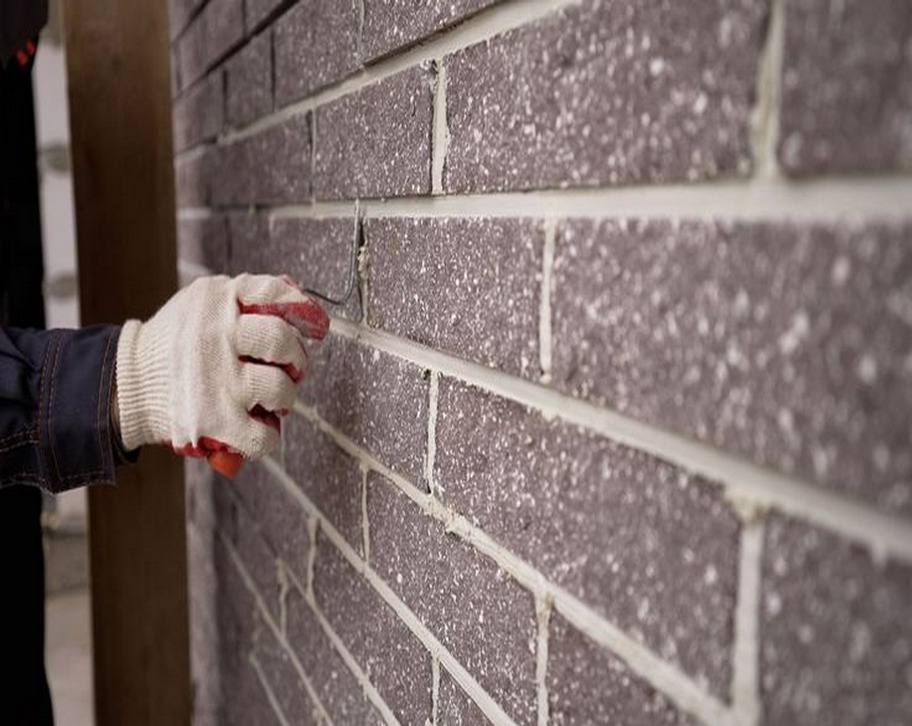
When people ask what is repointing brick, they mean a very specific kind of mortar repair. Repointing is the careful removal of damaged mortar from the joints between bricks, followed by packing those joints with fresh mortar that closely matches the original. The work focuses on the exposed outer part of the joint, where weather hits hardest.
This is not a quick cosmetic touch‑up. Proper brick repointing is a structural repair. Mortar acts as the glue that ties the wall together and as the first barrier against water. Once it fails, moisture seeps into tiny gaps, freezes, and starts to push bricks apart. Repointing stops that cycle and restores strength.
Think of a brick wall as a grid: bricks are the blocks, mortar joints are the lines. Repointing repairs those lines and usually leaves the bricks themselves in place. If bricks are badly damaged, that is a separate task called brick replacement, often done alongside brick joint repair.
In a correct brick mortar replacement, the mason removes loose mortar to a set depth, cleans and dampens the joints, then presses in new mortar in thin layers. The mix is chosen to bond well, shed water, and match the wall’s colour and texture. Done properly with the right materials, fresh pointing can last several decades.
Atlantic Brick and Stone approaches every repointing project with that long view in mind, using mortar suited to the age and type of brick rather than a one‑mix‑fits‑all approach. That care helps repairs stand up to Fredericton weather for many winters.
Mortar is meant to be slightly softer than the bricks or stones around it. That way, it absorbs movement and weather, sacrificing itself instead of the bricks cracking. Over time, this sacrificial material breaks down and needs masonry repointing.
Major causes include:
Repointing is a normal part of brick wall maintenance, not a sign of bad construction. The key is timing: catching worn joints early with brick pointing repair is far cheaper than fixing loose bricks, leaks, or bulging walls later.
A slow walk around your home a few times a year is often enough to spot trouble early. Knowing what to look for is just as important as asking what is repointing brickwork.
Gently scrape a mortar joint with a key or even your fingernail. If it sands away easily, feels soft, or falls out as powder, it has lost much of its strength. This crumbling brick mortar usually appears first on the most exposed faces and is an early sign that masonry repointing is needed.
Thin hairline cracks or wider gaps that run along or across joints give water a direct path into the wall. Stair‑step cracks that zigzag up through the joints, especially near corners or windows, can point to movement or stress in the structure. Any visible cracking in mortar should be taken seriously and investigated.
Sometimes material is not just cracked; it is gone. You might see:
These empty mortar joints need repair let more water reach the bricks and the inner structure, weakening the assembly. When gaps are widespread, brick mortar replacement is overdue.
If a brick can be moved by hand or feels loose when pressed, the surrounding mortar has failed. Loose brick wall problems are a safety concern, especially high on walls or around chimneys, and they place extra stress on nearby joints. At this stage, prompt brick joint repair by a professional mason is important for both safety and stability.
Mortar failure often shows indoors first. Watch for:
These can all signal water travelling through worn mortar joints from outside. If interior moisture lines up with exterior brickwork, a closer look and possible exterior brick repair are wise.
brick spalling is when the face of a brick flakes or pops off, leaving a rough, broken surface. Bulging or bowing brick wall is when part of a wall appears to swell outward instead of staying flat. Both usually indicate long‑term water entry through failed joints and repeated freeze‑thaw pressure behind the bricks. At this point, you are not just asking what is repointing brick in a basic sense; you are facing a structural concern that needs prompt attention from an experienced masonry contractor.
Many homeowners wonder what actually happens during a brick repointing project. While tiny, low‑risk areas may suit a careful do‑it‑yourself approach, most full walls or chimneys are best left to trained masons such as the team at Atlantic Brick and Stone .
Before touching any mortar, the work area is prepared. Masons:
Atlantic Brick and Stone places strong emphasis on safe footing, tidy sites, and respectful communication, which protects both staff and homeowners.
The first active step in masonry repointing is raking out damaged joints. Masons remove loose mortar to a depth of roughly two to two and a half times the joint width (often around 20–25 mm). This gives new mortar enough room to grip.
Tools may include small grinders, chisels, or hand raking saws. The goal is to remove old material without chipping brick edges. Any cracked or badly damaged bricks may be removed and reset as part of the brick repointing process.
After cutting out the old mortar, joints are full of dust and debris. Masons scrub them with stiff brushes and sometimes water so the new mix bonds to clean, solid surfaces.
Next, the wall is lightly misted. Slightly damp bricks prevent fresh mortar from drying too fast, which can cause weak, chalky joints. This simple step helps the new mortar cure at a steady rate.
Fresh brick mortar replacement begins with choosing the right mix. On older or heritage homes, that often means lime‑rich mortar that is softer and more flexible than modern cement‑heavy products.
Masons:
Test mixes for workability and colour
When joints are filled and the mortar has started to set, the mason shapes the surface, a step called tooling or striking. Common joint profiles include:
Flat, flush joints are less common on exposed walls because they tend to hold moisture. Timing matters here: the mortar should be firm enough to keep its shape but soft enough to work smoothly.
New mortar needs several days to gain strength. During this period, it may be lightly misted and protected from heavy rain, strong wind, and temperature extremes.
As the work progresses, masons gently remove any mortar smears from brick faces so they do not leave a haze. Once joints are fully cured, a final cleaning restores the natural look of the brick. When all steps are followed properly, the wall looks refreshed and is ready for many more years of service.
Terms like pointing, tuckpointing vs repointing are easy to mix up. Knowing the difference between tuckpointing vs repointing helps you ask for the right service and compare quotes accurately.
Repointing focuses on structure. It removes failed mortar and replaces it with new material designed to:
New mortar is chosen to match the original in hardness and chemistry, and usually in colour. If you see cracking, missing joints, leaks, or loose bricks, brick repointing is likely what you need.
Tuckpointing is mostly about appearance, though it still offers some protection. A mason :
Fills joints with mortar that matches the brick colour, creating a uniform base
Adds a thin line of a second, contrasting mortar (often white or light) in the centre of each joint
This creates crisp, fine‑lined joints that make the need tuckpointing look sharper and more precise. Tuckpointing suits walls that are structurally sound but look worn or uneven and need a cosmetic lift rather than full brick mortar replacement.
In short, repointing deals with function, while tuckpointing focuses on style. If the wall shows damage, leaks, or movement, repointing is the starting point. If the wall is solid but tired‑looking, tuckpointing or brick tuck pointing can refresh its appearance.
Atlantic Brick and Stone offers both services and can inspect your masonry, explain the options for your specific building, and recommend the best long‑term approach.
Once you understand what is repointing brick and why it matters, it is helpful to know what affects timing, methods, and cost. A good contractor will review these items with you before work starts.
Brick and mortar are sensitive to weather while work is being done. For best results:
Very cold conditions may require enclosures and heaters. Very hot, sunny days can dry the surface too fast. Atlantic Brick and Stone watches Fredericton forecasts closely to schedule exterior brick repair when conditions are favourable.
Many heritage buildings around Fredericton were built with softer clay bricks and lime‑based mortars. These behave differently from modern materials and need a careful approach.
On heritage projects, masons often:
Using mortar that is too hard can trap moisture in the bricks, leading to serious spalling. Atlantic Brick and Stone has experience with these sensitive projects, helping preserve both safety and character.
High‑quality masonry repointing can perform well for several decades, especially when the mortar mix suits the wall and exposure. However, repointing corrects mortar joints only; it does not by itself fix foundation settlement or unrelated structural issues.
After work is complete, it is wise to:
This simple maintenance helps protect the investment you have made in your brickwork.
Online videos make repointing look straightforward, and for very small, sheltered areas a careful homeowner might manage a basic patch. For full walls, chimneys, or older homes, though, poor work can cause more damage than leaving the wall alone.
Common shortcuts include:
These approaches may look fresh briefly but often fail within a few winters, leading to loose joints, trapped moisture, and more brick pointing repair later. Atlantic Brick and Stone is frequently called to correct such short‑term patch jobs.
Power tools are helpful when used with care, but in untrained hands they can chip or burn brick faces and widen joints too much. Those scars are nearly impossible to hide and can weaken the wall.
Replacing damaged bricks is costly, and matching older bricks is often difficult. Skilled masons control their tools carefully and switch to hand methods in tight spots. Atlantic Brick and Stone trains crews to protect bricks first, even if it slows the work slightly.
Mortar is not one generic product. Mixes vary in hardness, flexibility, and breathability. For a lasting repair, the new mortar should be close to the original in these properties, plus colour and texture.
On historic buildings, matching softer lime‑based mortars is especially important. Too‑hard mixes can force matching existing brickwork through brick faces, causing widespread spalling over time. With years of local experience, Atlantic Brick and Stone understands how Fredericton’s bricks and mortars behave and selects mixes that support both structure and appearance.
Repointing usually means working off the ground with tools, dust, and falling debris. Professional masons:
Reputable companies also carry insurance and follow local safety rules. Atlantic Brick and Stone treats safety as a core part of every project, from a small chimney to a full façade restoration.
Atlantic Brick and Stone has helped Fredericton homeowners and property managers with brick repointing, exterior brick repair, and masonry restoration for more than fifteen years. The focus is on doing the job right once so your investment lasts.
Every repointing project, from a small entry wall to a large commercial façade, is approached with the same goal: brick restoration strength and appearance for the long term. The team:
The aim is a wall that not only looks sharp when the scaffolding comes down but also stands up to snow, ice, rain, and sun for years.
Atlantic Brick and Stone’s crew works daily with brick, stone, concrete, and cement‑based materials. That experience shows in:
Ongoing training covers both traditional hand techniques and newer tools that improve speed without sacrificing quality. The team also keeps up with local building codes, safety standards, and heritage guidelines.
From first call to final clean‑up, Atlantic Brick and Stone aims for clear, simple communication. During the initial visit, your brickwork is inspected, and any concerns are explained in plain language. You can ask about what is repointing brickwork on your particular home and how long the work will take.
Written quotes outline the scope, materials, and timeline so you know what to expect. Throughout the project, you are kept up to date on progress, weather delays, or any surprises inside the wall. The company values long‑term relationships, so advice is based on what your building genuinely needs.
Because Atlantic Brick and Stone works only in this region, the team understands Fredericton’s building styles, soil conditions, and climate very well. That local insight helps when planning everything from simple chimney work to full‑height masonry repointing on historic downtown properties.
Beyond repointing, services include tuckpointing, general masonry restoration, new masonry construction, and hardscape projects for both homes and commercial sites. Whether you need a few problem joints repaired or a full façade upgrade, the company can assess the job and provide a clear plan.
Brick repointing is much more than a cosmetic refresh. It keeps brick homes and buildings strong, dry, and safe. When mortar joints crumble, crack, or vanish, the wall loses its first defence against water and movement. Ignored long enough, that can lead to loose bricks, interior leaks, spalling, or costly masonry repairs.
The warning signs are usually visible well before things reach that stage: powdery mortar, cracks, missing sections, loose bricks, damp patches inside, or bulging walls. Acting early and arranging proper brick pointing repair saves money and stress.
Repointing may look simple from a distance, but it demands the right mortar mix, careful removal, tight packing, and attention to weather and curing. Quick surface patches or mismatched mortars often fail within a few years and can damage bricks. High‑quality masonry repointing, done once and done well, can last for many decades.
Atlantic Brick and Stone offers the experience, local knowledge, and attention to detail needed to protect homes and buildings across the Fredericton area. If you notice any of the signs described in this guide—or just want a professional opinion on your brick walls—reach out for an assessment and clear written quote before small cracks grow into major repairs.
When done by skilled masons using the right materials, brick repointing is a long‑term repair. On most homes and commercial buildings, properly installed repointing often lasts for several decades.
Actual lifespan depends on:
Regular visual checks help catch early trouble spots. Choosing an experienced company such as Atlantic Brick and Stone gives your wall the best chance of long service.
Mortar and grout may look similar but have different jobs.
When you ask what is repointing brick, the answer always involves mortar, not grout, because brick joint repair needs a firm, supportive material.
The choice between repointing and tuckpointing depends on whether your main concern is structure or appearance.
A professional inspection from Atlantic Brick and Stone can help you decide which approach suits your brickwork. Structural issues should always be corrected before cosmetic work.
In the Fredericton area, the best seasons for brick repointing are late spring, summer, and early fall. During these months, temperatures are more likely to stay in the ideal range of about 5°C to 25°C, which mortar needs for proper curing.
Work should also be planned during winterizing masonry without heavy rain, since showers can wash fresh mortar out of joints. Repointing can be done in winter concrete repair with temporary enclosures and heaters, but that adds cost and complexity. Planning with Atlantic Brick and Stone ahead of the busy season helps secure dates when weather is more likely to cooperate.
Good repointing should make your wall look refreshed while keeping its original character. When mortar is carefully matched in colour, texture, and joint profile, new work blends in so well it is hard to see where repairs were made.
Most homeowners notice that:
In some projects, owners choose to slightly adjust the mortar colour or profile to suit new additions or brighten a dark wall. Atlantic Brick and Stone can test small sample areas first, so you can be confident in the final look of your brick repointing project.
GET STARTED
Create stunning structures with our residential and commercial masonry services in Fredericton. From meticulous designs to the completed build, our process is professional and rewarding, and we can’t wait to build your dream with you.
Atlantic Brick and Stone, one of the best masonry contractors in Fredericton, NB
Contact
8 Muskie Street, Lower Kingsclear, New Brunswick E3E 0E7, Canada