
A quiet winter night, a crackling fire, and a warm living room can hide a serious risk in the walls above the flames. The question of how often to clean chimney is not just about keeping things tidy. It is about preventing chimney fires and carbon monoxide from entering the home.
Many property owners assume an occasional sweep is enough, or that a chimney that “looks fine” must be safe. In reality, every fire leaves residue behind, and over time that residue builds into a real hazard. The National Fire Code of Canada warns that only a few millimetres of creosote can be enough to start a dangerous fire inside the flue.
Atlantic Brick and Stone has spent more than 15 years helping Fredericton homeowners, building owners, and contractors keep their chimneys safe and structurally sound. This guide explains how often to schedule fireplace chimney cleaning, how usage and fuel type affect your chimney cleaning schedule, what warning signs to watch for, and how professional inspection and repair fit into overall chimney safety.
By the end, it will be clear when to clean a chimney yourself, when to call a professional chimney sweep, and how Atlantic Brick and Stone can help keep your system in safe working order.
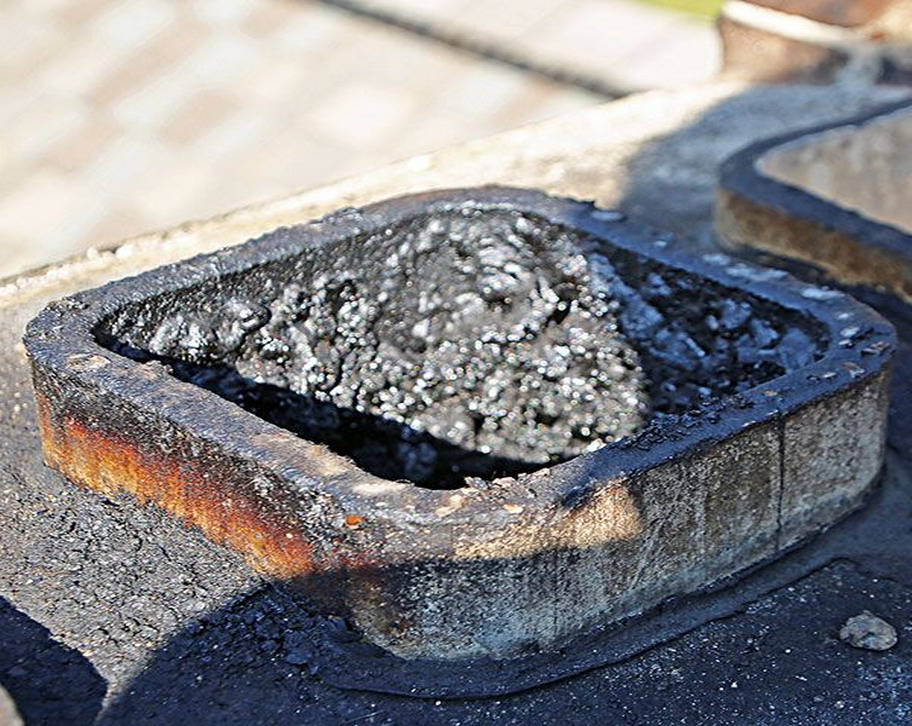
Every time wood burns, it releases smoke, vapour, and tiny particles that rise into the chimney. As these gases cool, they stick to the inner walls and form creosote, a black or brown residue that can be flaky, sticky, or shiny. This material is highly flammable, and once it reaches about 3 millimetres in thickness, the National Fire Code of Canada treats it as a serious fire risk.
When creosote ignites, the fire races up the chimney like a blowtorch. Temperatures can climb high enough to crack tiles, damage stainless liners, and even allow flames to reach nearby framing in the attic or walls. What starts as a small wood fire in the living room can become a full structural fire in minutes if the flue is coated with heavy buildup.
A dirty or blocked chimney also raises the risk of carbon monoxide entering living spaces. If the flue is narrowed by creosote, animal nests, or debris, smoke and gases can spill back into the room instead of venting outside. Carbon monoxide is colourless and odourless, so a working detector is non‑negotiable for any fuel‑burning appliance. Regular chimney safety inspection and creosote removal reduce these risks, and professional inspection from a company like Atlantic Brick and Stone also reveals cracks, loose masonry, and liner problems that threaten long‑term safety.
Homeowners should schedule a professional chimney sweep for chimney inspection and cleaning at least once yearly for solid-fuel appliances. This annual cleaning ensures safety before each heating season and is necessary even for occasional use, as creosote accumulates, animals nest in idle chimneys, and debris builds up.
While gas fireplaces produce less soot, they still require annual gas fireplace chimney maintenance. Moisture from gas appliances can corrode liners and metal components over time. Yearly inspections verify the venting system is clear, the liner is intact, and no condensation damage exists.
The ideal chimney sweeping frequency varies based on actual usage patterns. Heavy wood burning, occasional fires, and daily gas inserts each place different demands on a chimney. Understanding your specific appliance type and usage helps create an appropriate fireplace service schedule for your home’s needs.
For quick reference:
Wood stoves and fireplace inserts often do the hardest work in a house. Many Fredericton homeowners rely on them as a main or backup heat source through long winters. That steady burn means creosote can appear quickly, so these systems always need at least one professional chimney sweep visit every year.
If the stove or insert runs most days during the heating season, a single annual cleaning may not be enough. In high‑use houses, a mid‑season cleaning in January or February is often wise. This keeps creosote under control and lowers the chance of a chimney fire during the coldest months, when the stove is working the hardest.
Wood burning fireplace maintenance for stoves and inserts should always include a close look at the liner. Atlantic Brick and Stone can inspect, clean, and repair liners, checking for cracks, gaps, or corrosion that a basic sweep might miss. That combination of fireplace chimney cleaning and structural review provides much stronger protection than a quick brush‑out alone.
Open fireplaces tend to burn less intensely than stoves, but they still leave soot and creosote behind. For a fireplace that sees regular use, such as several evenings a week through winter, a cleaning every two years is a good target. That schedule keeps creosote layers thin enough that they do not reach the danger level between visits.
“Occasional use” usually means a few fires a month, or mostly holiday and special‑event fires. In that case, cleaning every three to four years is usually enough, as long as an annual chimney inspection still takes place. That inspection checks for animal nests, falling tiles, and moisture damage that may have nothing to do with how often you burn.
Even a fireplace that never gets used still needs attention. Unused chimneys often collect birds’ nests, wasp nests, and wind‑blown debris. Damp conditions can also lead to mould and strong odours. Atlantic Brick and Stone’s inspection services help catch these problems early, recommending fireplace maintenance or light cleaning every three to four years so the chimney is ready whenever you decide to enjoy a real fire again.
Once you know how often to clean chimney, the next question is when to book the visit. The best time for a chimney safety inspection and cleaning is usually spring, right after the heating season ends. At that point, creosote from winter fires is still relatively soft, so it comes off the flue walls more easily and quickly.
Spring chimney work also gives plenty of time to deal with any repairs before cold weather returns. A sweep or mason may find cracked flue tiles, a damaged liner, loose or missing mortar joints, or a chimney crown that is letting water in. When these issues appear in April or May, there is time to plan repointing, liner replacement, crown rebuilding, or other masonry repairs during the warm months.
There is also a simple scheduling benefit. Chimney sweep companies and masonry contractors are much busier in late summer and autumn, when everyone suddenly remembers they need fireplace chimney cleaning. Booking in spring means more choice of appointment times and no pressure to rush decisions. Atlantic Brick and Stone offers free consultations and estimates for chimney repair and restoration, and with more than 15 years serving the Fredericton area, the team can help plan work so your system is safe and ready long before the first frost.
A regular chimney cleaning schedule is important, but problems can appear between visits. Paying attention to how the fireplace, stove, or gas insert behaves is the first line of defence. The more familiar you are with normal operation, the easier it is to spot signs that the chimney needs cleaning or deeper inspection.
Some of the most common warning signs include:
Changes in how the fire starts or burns often point to airflow trouble. A fire that used to light easily but now struggles to catch may be starved for air because the flue is narrowed by creosote or blocked by a nest. Smoke that drifts into the room when the damper is open also suggests something is wrong inside the chimney, and this should never be ignored.
Smell is another early warning. A strong, smoky, or tar‑like odour around the fireplace, especially during humid summer weather, usually means heavy creosote buildup. The smell often gets worse when a window is opened elsewhere in the house, because that can draw air down the chimney and pull odours into the room.
The outside of the chimney can send signals as well. White staining on the brick, called efflorescence, often means water is moving through the masonry. Dark stains, rust, or spalling bricks can show long‑term moisture or heat damage. Any of these signs mean it is time for a professional chimney inspection, and the following sections explain what to look for more closely.
A simple flashlight test can reveal a lot about when to clean chimney. With the damper fully open and the fireplace cold, shine a bright light up into the flue. The lining should look fairly smooth, with only a thin, dull coating of soot. If you see thick, rough, or shiny black deposits, creosote buildup is already advanced.
A more direct check uses a pencil or plastic knife. Reach just inside the flue and gently scrape the inner wall. If the material that flakes off measures about 3 millimetres (one eighth of an inch), the flue is past the safe limit set out in the National Fire Code of Canada. At that point you should arrange professional creosote removal from a qualified chimney sweep rather than waiting for the next planned visit. Never try to “burn out” creosote by building an extra‑hot fire, as this is a common cause of chimney fires.
Performance issues show up while the fire is burning. If you find you are constantly relighting kindling or adding more paper because the fire keeps going out, the chimney may not be drafting properly. A clogged or narrowed flue cannot pull enough air through the firebox, so the fire smokes and dies instead of burning cleanly.
Smoke spilling into the room is another clear warning sign. When doors or windows are closed and the damper is open, most of the smoke should move straight up the chimney. If it rolls out of the opening or puffs back periodically, the flue might be partly blocked by creosote, a birds’ nest, or other debris. An acrid, sharp smell that lingers even hours after the fire is out also hints at heavy creosote and calls for prompt chimney sweep service.
Some warning signs show up outside the firebox. Look closely at the masonry on the roof line and above. White salt deposits, black streaks, or dark patches can all point to water entering the chimney or smoke leaking through cracked joints. Over time this weakens the brick and mortar and raises the chance of pieces falling inside the flue.
Check for visible cracks, missing mortar, or bricks that appear loose or spalled. Rust streaks on metal flashing, rain caps, or chase covers suggest ongoing moisture problems. A broken or crumbling chimney crown allows even more water in, which speeds up damage. Atlantic Brick and Stone’s trained masons are experienced at reading these signs, finding hidden structural problems, water damage, and chimney defects that are easy to miss from the ground.
To decide how often to clean chimney, it helps to understand what creosote actually is. Creosote forms when gases from burning wood cool before they fully burn. Unburned tar, oils, and smoke particles condense on the cooler chimney walls and stick there. Over time, this thin layer thickens into a coating that narrows the flue and can catch fire.
Creosote does not always look the same. It usually appears in three stages:
This hardened third stage is the most dangerous and can be very difficult to remove without specialized tools.
Several factors affect how fast creosote forms and which stage it reaches. The type and condition of the wood, the size of the appliance and flue, and how hot or cool the fires burn all play a part. Good fireplace maintenance focuses on keeping fires hot and clean‑burning while avoiding wet fuel and smouldering fires that fill the flue with smoke. The next sections look more closely at fuel choice and burning habits.
The wood that goes into the fire has a huge effect on creosote levels. Freshly cut or “green” wood contains a lot of moisture. When it burns, much of the heat energy boils off water instead of warming the room. The result is a cooler, smokier fire, and that cool smoke clings to the chimney walls and forms thick, tar‑like creosote very quickly.
By contrast, seasoned hardwood that has been cut and split for at least six to twelve months burns hotter and cleaner. The logs are lighter, the ends show cracks, and two pieces make a clear “clack” when knocked together. This dry wood creates less smoke and reduces the speed of creosote buildup, which can stretch the time between fireplace chimney cleaning visits.
It is also very important to burn only proper firewood. Treated lumber, painted boards, plywood, particleboard, and household trash release corrosive and toxic chemicals when burned. These fumes can damage metal liners and form sticky, acidic residues that are even harder to remove. Choosing dry, natural wood is one of the best chimney maintenance tips a homeowner can follow.
How a fire is managed matters as much as what burns in it. Fires that smoulder for long periods with very little air send a steady stream of cool smoke up the chimney. That smoke condenses easily, building thicker creosote in a shorter time. Many people close air controls too far in an effort to stretch firewood, not realizing the trade‑off in chimney safety.
Building smaller, hotter fires with good airflow produces a cleaner burn. When there is enough oxygen and the damper is fully open at startup, the flames are bright and active, and less unburned material reaches the flue. Once a hot coal bed forms, air controls can be adjusted carefully without choking the fire. Proper damper use and attention to draft help keep the chimney cleaner between visits from a professional chimney sweep.
While regular visits from a professional chimney sweep are non‑negotiable for safety, smart habits can slow creosote buildup and keep the system in better shape between appointments. These practices do not replace annual chimney cleaning, but they support it and can reduce the amount of work needed each time. They also help protect the masonry and liner so the chimney lasts longer.
Good maintenance starts with understanding that the fireplace or stove is part of a larger system. The firebox, liner, chimney cap, crown, and exterior brick all work together to move smoke safely out of the home. Poor fuel choices, missing caps, or sloppy ash disposal can put stress on every part of that system, leading to more frequent cleanings and higher repair costs over time.
Atlantic Brick and Stone often sees chimneys where a few small changes in daily use would have prevented years of wear. By focusing on proper fuel selection, basic hardware like a good cap, and simple safety habits, homeowners in Fredericton and nearby communities can stretch the safe interval between cleanings without cutting corners on safety.
Practical habits that help include:
Using the right firewood is one of the simplest ways to control creosote. Seasoned hardwood that has dried for six to twelve months burns hotter and cleaner than soft, wet wood. The logs should look darker and show cracks on the ends, and two pieces should make a clear, solid sound when knocked together instead of a dull thud.
Storage matters as much as cutting and splitting. Firewood should be stacked off the ground on rails or pallets, with the top covered but the sides left open so air can move freely. A tight tarp wrapped around the whole pile traps moisture and slows drying, which leads back to smoky, cool fires and faster buildup inside the chimney.
Never burn pressure‑treated lumber, painted boards, plywood, particleboard, or household garbage. These materials can release corrosive and toxic fumes and leave sticky deposits in the flue. Sticking to clean, seasoned wood keeps fireplace cleaning frequency closer to the recommended schedule and helps keep the flue safer between visits.
A good chimney cap is a small part with a big job. Mounted on top of the flue, it keeps rain and snow out of the chimney, which greatly reduces moisture damage inside the liner and masonry. It also has a mesh screen that blocks birds, squirrels, and other wildlife from nesting in the flue and causing dangerous blockages.
The cap also helps with fire safety. Many models act as a spark arrestor, stopping hot embers from landing on the roof or nearby dry vegetation. Over time, however, caps can rust, bend, or lose sections of their mesh. A quick visual check from the ground or roof each year helps spot problems before they lead to leaks or animals getting in.
Atlantic Brick and Stone includes cap checks as part of chimney inspection work. If a cap is missing, damaged, or poorly sized, the team can install a new one matched to the flue and roof style. This small upgrade supports the whole system, reducing debris inside the chimney and making each future cleaning easier and more effective.
Ashes that look cool can still hide hot embers for days. Those embers can start a fire if they touch wood, paper, or even dry leaves. For that reason, ash handling needs the same care as the fire itself. It is not enough to sweep ash into a plastic bin or cardboard box and leave it beside the house.
The safest method is to use a metal shovel to move ashes into a metal container with a tight‑fitting lid. That container should go outside right away and sit on a non‑combustible surface such as concrete, well away from siding, decks, and firewood. Ashes should sit in the container for at least a full week before they go in the regular garbage. Along with this, smoke and carbon monoxide detectors should be tested often so they can warn of any problem related to the fireplace or stove.
Atlantic Brick and Stone approaches chimney care as more than just sweeping soot. The team looks at the entire chimney system, from the firebox and liner to the brickwork, crown, and cap. A thorough chimney inspection checks for cracks, loose mortar, water damage, leaning sections, and worn liners that could turn a simple fire into a serious incident.
When problems appear, Atlantic Brick and Stone has the masonry skills to correct them. Services include brick chimney repointing to renew mortar joints, chimney rebuilding when structures are badly damaged, crown repair, and firebox reconstruction. The company also inspects, cleans, and relines chimney liners, guiding homeowners toward liner materials that match modern high‑efficiency appliances and reduce moisture problems. With more than 15 years serving Fredericton homes, historic buildings, and commercial properties, and with free consultations and warranty‑backed work, Atlantic Brick and Stone offers a reliable partner for complete chimney safety.
If a wood stove, insert, or fireplace runs every day through the heating season, you should plan at least one full cleaning and chimney safety inspection each year. In many high‑use homes, a second mid‑season cleaning is a smart choice. Daily use leads to faster creosote buildup, so a professional can judge whether the chimney needs more frequent service. Atlantic Brick and Stone can help assess your system and set a safe chimney cleaning schedule.
It is possible to clean a chimney yourself, but professional service is strongly recommended. A certified chimney sweep not only brushes the flue but also inspects the firebox, liner, and exterior structure for damage that most homeowners cannot see. Professionals use proper tools to deal with hard, glazed creosote and work safely at height. Atlantic Brick and Stone’s experienced masons complement this work by checking masonry, crowns, and liners and advising on any needed repairs.
Gas fireplaces usually produce less soot than wood‑burning systems, but they still need care. A yearly inspection checks that the venting path is clear, that there are no blockages from birds or debris, and that condensation from cooler flue gases has not damaged the liner. Many gas fireplace chimneys need cleaning every two to three years, depending on use and design. Atlantic Brick and Stone can review venting and masonry as part of your gas fireplace service plan.
Skipping chimney cleaning creates two major risks. First, creosote builds layer upon layer until it can easily catch fire, sending flames roaring up the flue and possibly into the structure of the home. Second, blockages from soot, nests, or debris can push smoke and carbon monoxide back into living areas. Over time, water and neglect also break down mortar, brick, and liners, leading to costly rebuilding. Regular annual chimney cleaning costs far less than repairing fire or structural damage.
A simple test can give a quick answer. With the fireplace cold and the damper open, shine a flashlight up into the flue and scrape the inner wall gently with a pencil or plastic knife. If the layer that flakes off is about 3 millimetres thick or more, the chimney needs immediate professional cleaning under the National Fire Code of Canada guidelines. Other warning signs include strong smoky odours, poor draft, smoke entering the room, or difficulty starting and maintaining fires.
GET STARTED
Create stunning structures with our residential and commercial masonry services in Fredericton. From meticulous designs to the completed build, our process is professional and rewarding, and we can’t wait to build your dream with you.
Atlantic Brick and Stone, one of the best masonry contractors in Fredericton, NB
Contact
8 Muskie Street, Lower Kingsclear, New Brunswick E3E 0E7, Canada