
After a heavy rainstorm in Fredericton, a small dark patch on your chimney can be the first sign of moisture damage. While it may seem minor at first, it often indicates water is already seeping into the masonry. In Fredericton’s harsh climate, repeated rain and freeze-thaw cycles can quickly worsen the issue, causing bricks to weaken and mortar joints to break down. What starts as a simple stain can escalate into serious structural damage, leading to costly repairs if not addressed early.
Your chimney stands tall against some of the most punishing weather conditions in the country. Between November and March, Fredericton experiences dozens of freeze-thaw cycles, each one a potential death sentence for unsealed masonry. When water seeps into porous brick and mortar, it acts like a slow-motion demolition crew. As temperatures drop below freezing, that trapped moisture expands with tremendous force, cracking bricks from the inside out and turning solid mortar into powder.
The good news? Your chimney sends clear warning signals long before catastrophic failure occurs. Learning to recognize these signs can save you thousands of dollars and protect your home from water damage that extends far beyond the chimney itself. Atlantic Brick and Stone has spent over 15 years helping Fredericton homeowners identify and address chimney sealing issues before they spiral out of control. In this article, you’ll discover the five critical warning signs that your chimney needs professional sealing, what each sign means for your home’s structural integrity, and why acting quickly makes all the difference between a simple maintenance task and an expensive emergency repair.
When you spot dark streaks, patches, or discoloration on your chimney bricks, you’re looking at visual evidence of active water infiltration. Healthy masonry naturally sheds water, allowing rain to run off the surface without penetration. But when bricks stay dark or “wet-looking” for days after a rainstorm has passed, it means the masonry has become saturated and lost its protective properties. This isn’t just an aesthetic problem,it’s a red flag that water is being absorbed deep into the structure where it can cause serious damage.
One of the most telling signs is efflorescence, which appears as white, chalky deposits on the brick surface. This powdery substance is actually salt that was dissolved inside the masonry and carried to the surface by water. When you see efflorescence, you’re witnessing proof that moisture is moving through your chimney’s pores, carrying minerals along for the ride. While it might seem harmless, this process indicates that your chimney is acting like a sponge, pulling water into its core where freeze-thaw damage begins.
Water stains aren’t always confined to the exterior. If you notice discoloration on interior walls or ceilings near your fireplace, the problem has progressed beyond surface-level moisture. Water has penetrated so deeply that it’s traveling through the chimney structure and into your living space. This often leads to:
Peeling paint on walls and ceilings
Damaged drywall requiring replacement
Mould growth affecting air quality
Musty odors throughout the home
Costly remediation beyond chimney repairs
Atlantic Brick and Stone’s certified specialists understand that what you see on the surface often represents only a fraction of the damage occurring within the masonry. Our thorough inspections use specialized techniques to detect hidden moisture that hasn’t yet become visible, allowing us to address problems before they escalate. We examine not just the obvious stains, but also check for subtle colour variations, texture changes, and other indicators that only trained professionals can recognize.
The critical takeaway is this: water stains represent active infiltration that worsens with every weather cycle. Each time temperatures drop below freezing, that trapped moisture expands, creating microscopic cracks that allow even more water to enter. What starts as a small dark patch can quickly become widespread spalling and structural failure. Addressing water stains promptly through professional sealing protects your investment and prevents the need for far more extensive (and expensive) repairs down the road.
When you find small chunks of brick or mortar scattered on your roof or around your chimney’s base, you’re witnessing the physical breakdown of your masonry. This process, called spalling, occurs when water penetrates the brick, freezes, and expands with enough force to literally pop pieces off the surface. In Fredericton’s climate, where freeze-thaw cycles happen repeatedly throughout winter, unprotected masonry deteriorates rapidly. Each cycle weakens the structure further, creating a cascading effect where damage accelerates over time.
Mortar joints are particularly vulnerable because they’re more porous than the bricks themselves. When you notice crumbling, powdery, or missing mortar between bricks, it signals that water has repeatedly penetrated and weakened the binding material. These gaps and cracks don’t just look bad,they create pathways for even more water to enter the chimney’s interior. Once water reaches the inner layers of masonry, it can cause hidden damage to the flue liner, internal supports, and even the wooden framing of your home.
The type of brick used in your chimney matters significantly when addressing deterioration. Older homes in Fredericton often feature softer, more porous bricks that were manufactured using traditional methods. These historic bricks require specialized repair techniques that differ dramatically from modern masonry. Atlantic Brick and Stone’s qualified masons understand these individual characteristics and adjust their repointing methods accordingly, using softer mortars that are compatible with older brick surfaces rather than modern cementitious mortars that can cause further damage.
Professional repointing involves carefully removing deteriorated mortar to a specific depth, then replacing it with new mortar that matches the original in composition, colour, and strength. This isn’t a cosmetic fix,it’s a structural restoration that rebuilds the chimney’s weather resistance. When combined with proper sealing, professional repointing can extend the life of your mortar joints by several decades, protecting your chimney from the relentless assault of Atlantic Canada’s weather.
Atlantic Brick and Stone uses premium materials specifically selected to withstand our region’s weather extremes. We don’t take shortcuts with inferior products that might work in milder climates but fail under Fredericton’s demanding conditions. Our approach provides genuine protection rather than temporary patches that fail within a few seasons. If you’re seeing crumbling mortar or pieces of brick around your property, it’s time for a professional assessment before the damage spreads to the point where a complete rebuild becomes necessary.
The chimney crown sits at the very top of your chimney stack, forming a protective barrier between the masonry and the elements. Think of it as your chimney’s first line of defense,when it fails, everything below becomes vulnerable. This concrete or mortar slab is designed to shed water away from the chimney’s interior, but Fredericton’s extreme temperature swings cause crowns to crack, gap, and deteriorate faster than almost any other chimney component.
Visible cracks in the crown might seem minor, but they create direct pathways for water to travel into your chimney’s core. Unlike surface moisture on bricks, water entering through crown damage flows straight down into the masonry structure, saturating it from the inside out. This top-down water infiltration is particularly destructive because it affects the entire chimney height, not just the exposed exterior surfaces. During winter, this trapped moisture freezes and expands, causing damage throughout the entire structure.
Missing sections or significant gaps in the crown represent urgent situations that demand immediate attention. When large portions of the crown have broken away, your chimney is essentially unprotected at its most vulnerable point. Rain, snow, and ice can pour directly into the chimney, causing rapid deterioration of:
The flue liner
Interior masonry walls
Wooden roof components where the chimney passes through
Attic insulation and framing
Ceiling materials below the chimney
Atlantic Brick and Stone specializes in chimney crown repair and rebuilding, using techniques specifically designed for our climate’s demands. We don’t simply patch cracks with standard concrete,we apply specialized, flexible elastomeric membranes that can bridge small cracks and withstand the direct impact of driving rain and heavy snow. These professional-grade materials expand and contract with temperature changes, maintaining their seal even as the chimney shifts and settles over time.
Crown repairs must be completed before applying waterproofing sealants to the rest of the chimney. There’s no point in protecting the brick surfaces if water is still pouring in from the top. Our comprehensive approach addresses every vulnerability in the proper sequence, creating a complete protection system rather than a patchwork of isolated fixes. If you can see damage to your chimney crown from the ground, or if you’ve noticed water stains appearing during heavy rain, schedule a professional inspection before the next freeze-thaw cycle causes additional deterioration.
Metal components on your chimney,including the damper, chimney cap, and flashing,serve as reliable indicators of moisture problems. When you notice rust on your fireplace damper or corrosion on the metal cap at the top of your chimney, you’re seeing proof that water has been present long enough to cause oxidation. These metal parts are designed to withstand normal exposure to the elements, so visible rust signals that moisture levels have exceeded what the system can handle.
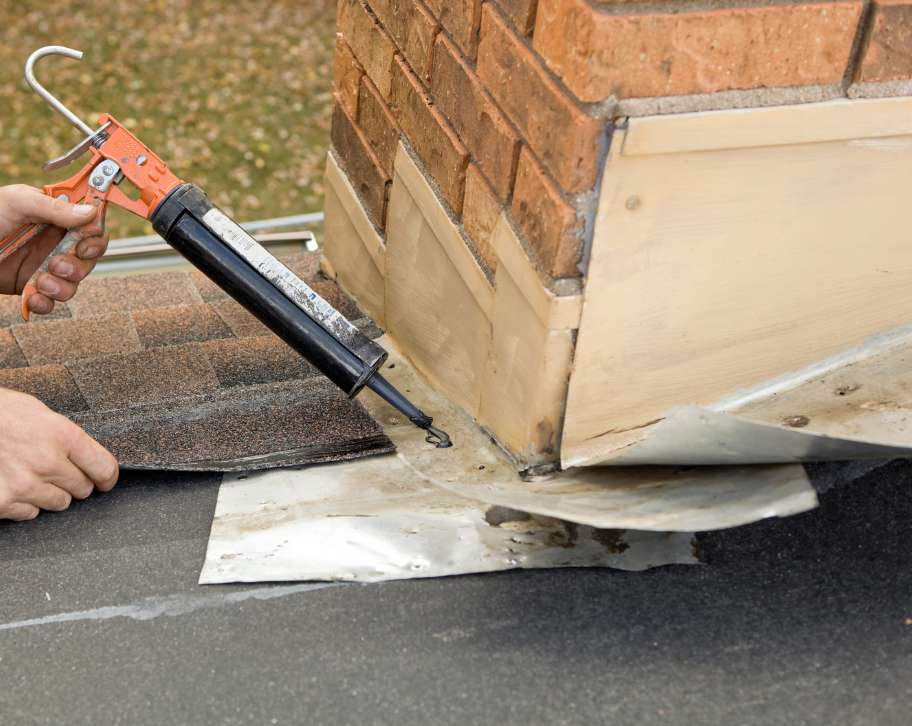
Chimney flashing deserves special attention because it’s one of the most common sources of leaks in the entire roofing system. This metal transition where your chimney meets the roofline must remain watertight to prevent rain and snowmelt from entering your home. When the caulking deteriorates or the metal itself corrodes, water bypasses the chimney entirely and flows directly into your attic or ceiling. Many homeowners mistakenly believe they have a chimney problem when the actual issue is failed flashing,but the result is the same: water damage that worsens with every storm.
Atlantic Brick and Stone provides comprehensive chimney flashing diagnosis and repairs, ensuring that metal components are securely attached and properly sealed. We understand that flashing issues often occur in combination with masonry problems, so our inspections examine the complete system rather than focusing on isolated components. This holistic approach catches problems that less experienced contractors might miss, preventing situations where you pay for repairs that don’t address the root cause of your leaks.
Annual inspections for signs of rust or wear are your best defense against costly water damage. Small amounts of surface rust can often be addressed with minor repairs, but advanced corrosion typically requires component replacement. Catching these issues early,before water has caused extensive damage to surrounding materials, saves significant money and prevents the kind of cascading failures that turn simple maintenance into major reconstruction projects.
Recognizing these warning signs early gives you the power to prevent thousands of dollars in restoration costs. What begins as a small water stain or a few pieces of crumbled mortar can quickly transform into a serious structural threat that compromises your home’s integrity and safety. Water damage doesn’t pause during winter,it accelerates, with each freeze-thaw cycle causing exponentially more harm than the last.
Atlantic Brick and Stone’s skilled technicians deliver lasting protection through comprehensive chimney inspections, expert repairs, and professional waterproofing that’s specifically designed for Atlantic Canada’s demanding climate. Our commitment to quality workmanship and premium materials means you get protection that actually works, not temporary fixes that fail when you need them most. With over 15 years of trusted service in Fredericton, we’ve seen every type of chimney problem imaginable,and more importantly, we know how to fix them right the first time.
Don’t wait until minor warning signs become major emergencies. Schedule a professional chimney inspection with Atlantic Brick and Stone today to protect your investment and keep your home dry, safe, and structurally sound for decades to come.
Professional chimney sealing represents a fraction of the cost of a complete chimney rebuild, which can easily run several thousands of dollars. The exact cost varies based on your chimney’s size, current condition, and the extent of repairs needed before sealing can be applied. Atlantic Brick and Stone provides thorough inspections to identify all necessary work, allowing us to give you an accurate estimate rather than a rough guess. Think of sealing as an affordable maintenance investment that significantly extends your masonry’s lifespan and prevents the need for far more expensive reconstruction down the road.
Professional-grade sealants typically last about 10 years when properly applied by experienced masons. However, we recommend conducting annual inspections for signs of wear, damage, or deterioration that might require attention before the full decade passes. Inspecting sealant joints a few times per decade and addressing small issues promptly prevents them from escalating into unnecessary costs. Atlantic Brick and Stone can assess your current sealant’s condition during routine inspections, letting you know whether your protection is still performing as intended or if it’s time for reapplication.
We strongly recommend professional chimney sealing to make certain proper materials and techniques are used. Using the wrong type of sealant,particularly non-breathable products that trap moisture inside the masonry,can cause your bricks to rot from the inside out, creating far worse problems than you started with. Atlantic Brick and Stone’s trained masons thoroughly inspect for hidden mortar failure, structural damage, and other issues that must be addressed before sealing. Professional application provides protection that lasts and doesn’t inadvertently cause additional damage by trapping moisture where it can do the most harm.
GET STARTED
Create stunning structures with our residential and commercial masonry services in Fredericton. From meticulous designs to the completed build, our process is professional and rewarding, and we can’t wait to build your dream with you.
Atlantic Brick and Stone, one of the best masonry contractors in Fredericton, NB
Contact
8 Muskie Street, Lower Kingsclear, New Brunswick E3E 0E7, Canada