
Repointing brickwork with lime mortar is a traditional and highly effective method for restoring and preserving heritage structures. This specialized process replaces deteriorated mortar with breathable, flexible lime mortar, ensuring the long-term health and aesthetic integrity of older buildings by allowing moisture management and accommodating natural structural movements.
This guide details the process of repointing brickwork with lime mortar, a traditional and effective method for heritage structures. This approach contributes to the protection and extended life of your property. We will cover why this specific mortar is needed for older buildings. You will also learn about the correct preparation, application, and finishing techniques that professionals use.
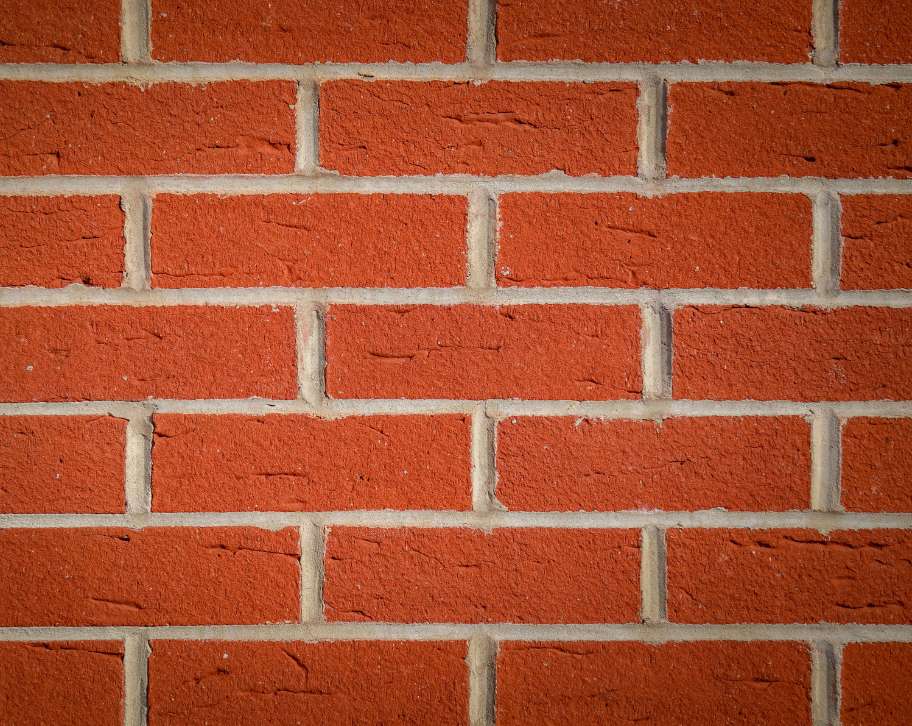
Using lime mortar for repointing is a significant practice for preserving the integrity of older masonry. Unlike modern Portland cement, lime mortar possesses distinct properties of breathability and flexibility that are perfectly suited for historic brickwork, which is often softer and more porous. This compatibility is the main reason why specialists choose lime pointing brickwork for restoration projects. The material allows moisture that enters a wall to escape through the mortar joints, rather than being trapped inside.
This “breathing” process prevents many problems. Trapped moisture can lead to dampness inside the building and cause the brick faces to flake away, a type of damage known as spalling. Because lime mortar is flexible, it can accommodate the natural small movements of a building that occur with temperature changes and settling. Hard, rigid cement mortar does not allow for this movement, causing stress to build up in the wall, which eventually damages the bricks themselves. A single brick can absorb up to a pint of water, so managing this moisture is a main concern in any brick mortar repair.
Lime mortar is also designed to be a sacrificial element. It is intentionally softer than the bricks it surrounds. This means that over decades, the mortar will slowly weather and erode, taking the brunt of environmental stress. This protects the much more valued and often irreplaceable historic bricks. By sacrificing itself, the lime mortar ensures the long-term preservation of the building’s original fabric. This characteristic contrasts sharply with rigid cement mortars, which, when used on historic brick, can lead to the deterioration of the harder brick material itself rather than the mortar.
Successful repointing brickwork with lime mortar begins with thorough and precise preparation of the masonry surface. This initial phase involves a careful inspection to signs that mortar joints need repair, followed by the thorough removal of old mortar and proper wetting of the wall to ensure the new mortar bonds correctly. Rushing this stage can lead to the new pointing failing prematurely, so every step must be handled with care.
The first task is removing old mortar from brickwork. This involves several steps:
Identify Failing Joints: Carefully inspect the masonry to mark all areas where common defects in brick masonry.
Rake Out Old Mortar: Remove the compromised mortar to a depth that is at least twice the width of the joint itself, typically between 3/4-inch and 1-inch. This depth ensures enough surface area for the new soft lime mortar for old bricks to create a strong mechanical bond.
Use Appropriate Tools: Professionals use hand tools like a plugging chisel or a mortar pick. Power tools can be used with extreme caution on larger projects, but hand tools are often preferred to avoid damaging the edges of the historic bricks, which are often softer than modern bricks.
Clean Thoroughly: After raking, all dust and debris must be completely cleaned out from the joints using a stiff brush, compressed air, or a vacuum. Any residual dust can prevent proper adhesion of the new mortar.
Once the joints are clean, the brickwork must be properly dampened. Bricks, especially older ones, are highly porous and can quickly draw the moisture out of fresh lime mortar if they are too dry. This rapid drying prevents the mortar from curing correctly, resulting in weak, cracked joints. To prevent this, the wall should be saturated with water using a hose or a garden sprayer. In very dry or hot conditions, this process might even start the day before the repointing work begins, ensuring the bricks are satisfied and do not compromise the new mortar. It is also significant to consider the environmental conditions; working in direct sunlight or strong winds can accelerate drying, necessitating more frequent dampening.
The application of lime mortar requires specific techniques to ensure both the durability of the repair and a seamless aesthetic match with the existing structure. This process starts with preparing the right lime mortar mix for pointing brickwork, which should be stiff but workable, and continues with carefully packing the material into the joints. A proper application ensures a strong, void-free joint that protects the masonry for an extended period.
Achieving the correct mortar consistency is the first step. For both pre-mixed lime putty mortars and natural hydraulic lime mortars mixed on-site, the goal is a stiff mix. A common starting point for a natural hydraulic lime (NHL) mortar might be a mortar ratio for brickwork, but this varies based on the specific type of lime and local sand properties. If a mortar is too wet, it will be prone to shrinkage as it dries, which leads to cracking and pulling away from the bricks. Pre-mixed mortars often need to be “knocked up” or agitated on a board to restore their workability without adding excess water. This physical working of the material makes it more plastic and easier to apply. Before applying to the entire wall, it is advisable to perform a small test patch in an inconspicuous area to verify both the color and texture match with the original mortar.
When applying the mortar, a small amount is placed on a hand-held board called a hawk. From the hawk, the mortar is sliced with a pointing trowel and pressed firmly into the dampened joint. It is significant to pack the mortar all the way to the back of the joint to eliminate any air pockets. The material should be applied carefully to avoid smearing it on the face of the brick, as lime staining can be difficult to remove. Professionals use a pointing iron that is narrower than the joint to keep the application clean and confined to the brick joint repair area. This technique not only ensures structural integrity but also contributes significantly to the visual harmony of the restored masonry.
The final stages of repointing brickwork with lime mortar involve tooling the joints and carefully managing the curing environment. Unlike cement, which hardens quickly through a chemical reaction with water, lime mortar cures slowly through a process called carbonation, where it reabsorbs carbon dioxide from the air. Proper finishing compacts the mortar for weather resistance, while controlled curing is necessary for its long-term strength and durability.
Tooling should only begin once the mortar has reached a “leather-hard” state. This is when it is firm enough that it cannot be easily indented with a fingernail, but still pliable enough to be worked. The exact timing depends on weather conditions and the wall’s porosity; it can range from a few hours to a full day after application. Tooling at the right time is necessary for compacting the mortar, which increases its density and resistance to water penetration. At this point, different tools can be used to achieve the desired finish:
A concave jointer presses the mortar to create a curved profile that helps shed water efficiently.
A flat slicker is used to create a smooth, flush joint that sits even with the brick face, offering a clean, uniform look.
A wooden dowel or a piece of wood cut at an angle can produce a slightly recessed, rustic finish often seen in repointing heritage brickwork.
Protecting the new mortar during the curing process is also significant. In hot, sunny, or windy weather, the wall should be covered with damp hessian sheets to prevent the mortar from drying out too quickly. The hessian should be kept consistently moist for several days to allow slow, controlled carbonation. In winter, the repointed area must be winterizing masonry structures. If the water in the fresh mortar freezes, it will expand and destroy the joint before it has a chance to carbonate. Dry hessian or polyethylene sheeting can provide the necessary insulation to allow for a successful cure even in colder temperatures, often combined with temporary heated enclosures on larger projects.
Repointing brickwork with lime mortar is a specialized skill that combines historical knowledge with technical precision. To ensure a lasting and beautiful restoration, it is best to partner with experienced professionals. With over 15 years of regional experience, Atlantic Brick and Stone provides expert repointing and masonry restoration services for homeowners and property managers throughout Fredericton and the surrounding areas.
Repointing is the general process of removing deteriorated mortar from brick joints and replacing it with new mortar. Tuckpointing is a specific type of repointing that uses two different colors of mortar. One color matches the bricks to fill the joint, and a thin line of a contrasting color is applied on top to create the illusion of very fine, precise joints.
Well-executed repointing can last for 20 to 30 years or even longer. The exact timeframe depends on factors such as the local climate, the quality of the original work, and the building’s exposure to the elements. It is good practice to have your have your masonry inspected every 5 to 10 years to identify any potential issues before they become serious.
Yes, repointing with lime mortar can be done in winter, but it requires significant precautions. The fresh mortar must be protected from freezing temperatures for it to cure properly through carbonation. This often involves using heated enclosures or insulating blankets to maintain a stable temperature around the work area until the brick repointing services.
GET STARTED
Create stunning structures with our residential and commercial masonry services in Fredericton. From meticulous designs to the completed build, our process is professional and rewarding, and we can’t wait to build your dream with you.
Atlantic Brick and Stone, one of the best masonry contractors in Fredericton, NB
Contact
8 Muskie Street, Lower Kingsclear, New Brunswick E3E 0E7, Canada