
What should a property manager do when an apartment building has several masonry defects at once? Could a cosmetic patch hide a safety risk or active leak?
Apartment building masonry repair should follow the level of risk, not the order in which problems appear. Loose masonry and signs of structural movement need urgent attention, followed by active water entry and worsening material damage. Stable staining and minor appearance issues can usually wait until more urgent concerns are understood. Atlantic Brick and Stone provides masonry and concrete services in Fredericton and across Atlantic Canada.
A building-specific review helps owners choose the right repair and avoid treating a symptom alone. Cracks, missing mortar, damp spots and loose bricks can point to different causes, so one repair method will not suit every defect. The sections below explain how to set priorities, document damage, choose repair methods and plan work around residents.
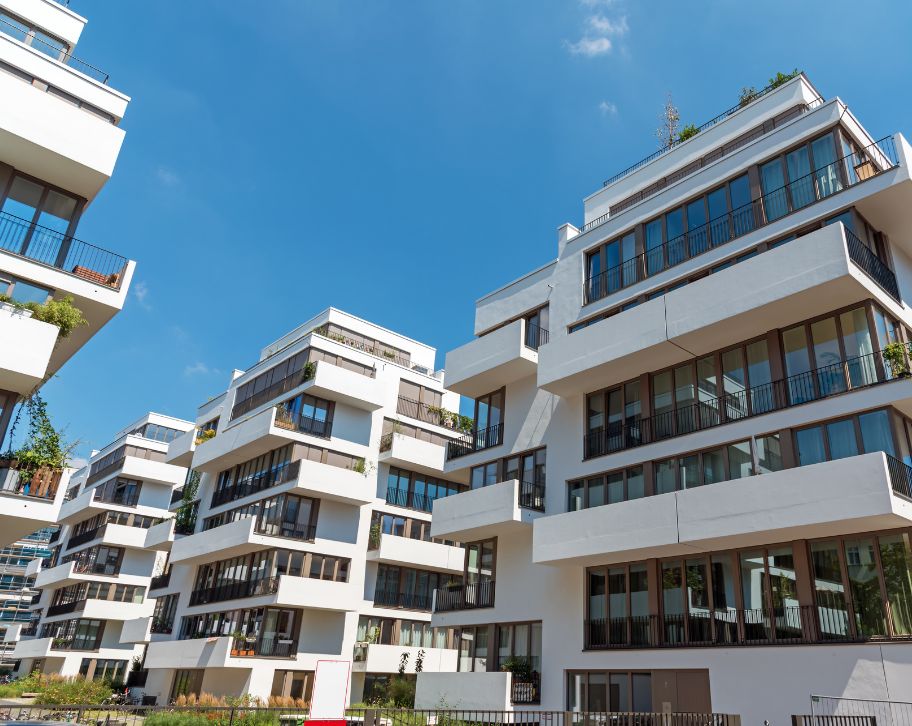
The repair order for apartment building masonry starts with signs your building has masonry issues. Next, address active water entry and damage that may spread, then plan lower-risk appearance repairs. A professional review can help set priorities across different elevations and building materials, especially when cracks or leaks recur. Use this order as a guide, not as a substitute for an on-site assessment.
Priority | Conditions to address | Why they matter |
|---|---|---|
Urgent | Loose units, falling fragments, bulging walls or major movement | They may put people at risk or signal an unstable wall. |
High | Active leaks, open joints, failed flashing or damp interior areas | Water can worsen mortar and masonry damage, especially during freeze-thaw cycles. |
Planned | Stable staining or minor surface wear | These may affect appearance without posing an immediate hazard. |
bulging brick wall, leaning sections, moving bricks and falling fragments call for prompt professional review. Widening or recurring cracks near foundations, load-bearing walls, masonry lintel repair or other supports may also point to movement that needs further assessment. Keep residents and visitors away from the area below loose masonry while an assessment is arranged. Significant movement may require a structural engineer or another qualified masonry contractor.
Active water entry around windows, parapets, chimney flashing repair, cracks and open joints should take priority over stable stains. Moisture can weaken mortar, damage brick faces and cause interior dampness; freezing and thawing chimney may worsen the damage. A efflorescence on brick or interior stain is a clue, not always the entry point. Find and address the source before planning cosmetic masonry repairs.
Owners can assess masonry damage by recording visible changes and seeking a professional review when defects spread or repeat. Mortar loss, cracked or spalled units, damp areas and wall movement each suggest different concerns. The right repair depends on the wall type, materials, repair history and likely cause. Patching a surface before understanding the defect can leave the source of damage untouched.
Check types of masonry joints, brick and stone faces, wall alignment, openings, chimneys and foundation areas. Note damp spots, white salt deposits, cracked or brick spalling causes, loose bricks and repairs that have failed more than once. Take dated photographs from the same locations and record reported leaks or visible changes. A crack’s shape offers a clue, not a diagnosis; widening cracks or displaced masonry need professional review.
Keep a simple record for each affected area, including its location, the date observed and any changes since the last inspection. This makes it easier to compare conditions over time and share useful details with a contractor. Residents can also report leaks or new cracking through a consistent process, so concerns are not lost between maintenance requests.
brick repointing services to a suitable depth before new mortar goes into the joint. A thin surface layer over failed mortar may hide the defect without fixing it. Depending on the damage, work may include localized brick or stone replacement, masonry crack repair, concrete block repair, or foundation repairs. Mortar and replacement units should suit the existing masonry. Atlantic Brick and Stone offers repointing, spalling repair, concrete repair, foundation work, chimney services and efflorescence diagnosis.
The repair plan should account for how the wall handles moisture, as well as the condition of nearby materials. Using type N vs type S mortar for older masonry, for example, can contribute to damage rather than protect the wall. Ask the contractor to explain the selected materials and how the work addresses the source of the defect.
Apartment masonry repairs need a plan for resident safety, access and day-to-day building operations. Managers can reduce avoidable disruption by sharing clear notices and agreeing on work areas before crews arrive. A written scope also helps owners track what the contractor will repair and how hidden damage will be handled. Good records support clear decisions if the work changes after opening the wall.
Notify residents about work locations, timing, noise, dust and any changes to entrances, balconies, walkways or parking. Set barriers below overhead work and maintain safe routes to exits and entrances. Agree on delivery times, debris removal and site-protection duties before work begins. Local weather also matters, since mortar installation and curing need suitable conditions and protection.
For longer projects, provide updates if access arrangements or work dates change. Make sure residents know how to report an urgent concern, such as water entering an occupied unit or debris near a walkway. Clear communication can help staff respond quickly and keep the work area separate from everyday building activity.
Request a written scope that lists repair areas, materials, access needs, cleanup and the process for hidden damage. Keep photographs, leak reports, past repair details and a record of completed work. Atlantic Brick and Stone serves Fredericton and Atlantic Canada, with more than 15 years of experience and commercial masonry repair planning with property managers. Review the proposed scope and qualifications for the specific building before approving work.
Before work starts, confirm who will notify residents, protect nearby surfaces and document any conditions uncovered during repairs. A clear process for approving extra work helps prevent confusion about changes to cost or schedule. Save the final scope and completion records with the building’s maintenance documents.
Apartment building masonry repair should begin with safety and stability concerns, followed by active water entry and worsening materials. Stable appearance issues can wait until higher-risk defects are addressed. Finding the cause before choosing a repair helps reduce repeat work. Owners and managers can start by recording concerns and requesting a building-specific assessment.
For buildings in Fredericton and surrounding areas, Atlantic Brick and Stone can discuss masonry repair needs and next steps. Share photographs, leak history and details about earlier work when requesting an assessment. A clear plan helps owners understand what needs attention, why it matters and how the work will affect residents.
These common questions cover repair costs, winter work, schedules, efflorescence and insurance. The answers depend on the building’s condition, repair method and policy terms. A site review and written scope can clarify project details.
The cost depends on the repair area, damage depth, access, materials and related work. Repairs at height may need specialized access equipment, while concealed damage can add work after a wall is opened. Compare written estimates that describe the same repair areas and materials. Ask each contractor to state what the estimate excludes.
Some masonry repairs can proceed in winter, but temperature, moisture and curing conditions affect the work. winterizing masonry structure may require suitable materials, equipment and protection from freezing or precipitation. Ask how the contractor plans to manage site conditions for the specific repair. If conditions are unsuitable, the work may need to wait.
The schedule depends on how much mortar needs replacement, access, weather and the building layout. Crews may stage work by area to keep routes open and protect residents. Ask for a timeline with the written scope, including setup, repair and cleanup. Hidden damage or poor weather can affect the planned schedule.
concrete efflorescence left when moisture carries salts to a masonry surface. It shows that moisture has moved through the wall, but it does not prove structural failure. If deposits return after cleaning, the moisture source may remain. A professional review can help identify the source and suitable repair.
GET STARTED
Create stunning structures with our residential and commercial masonry services in Fredericton. From meticulous designs to the completed build, our process is professional and rewarding, and we can’t wait to build your dream with you.
Atlantic Brick and Stone, one of the best masonry contractors in Fredericton, NB
Contact
8 Muskie Street, Lower Kingsclear, New Brunswick E3E 0E7, Canada