
Have you noticed cracks forming between your bricks? Are you wondering why some masonry walls withstand decades of harsh weather while others crumble after just a few years? The answer often lies in something most property owners overlook: the mortar joints between each brick or stone unit.
Masonry joints are far more than the gray lines running through your walls. They’re engineered solutions that determine whether your structure sheds water effectively or traps moisture that leads to expensive damage. Each joint type serves a specific purpose, balancing structural strength, weather protection, and visual appeal.
This guide breaks down the most common types of masonry joints used in residential and commercial construction. You’ll learn which profiles resist Fredericton’s freeze-thaw cycles, which ones suit historic restoration projects, and how proper joint selection prevents the costly repairs that result from moisture infiltration and thermal stress. Whether you’re planning a new build, restoring a heritage property, or addressing deteriorating mortar, understanding these fundamentals will help you make informed decisions that protect your investment for decades.
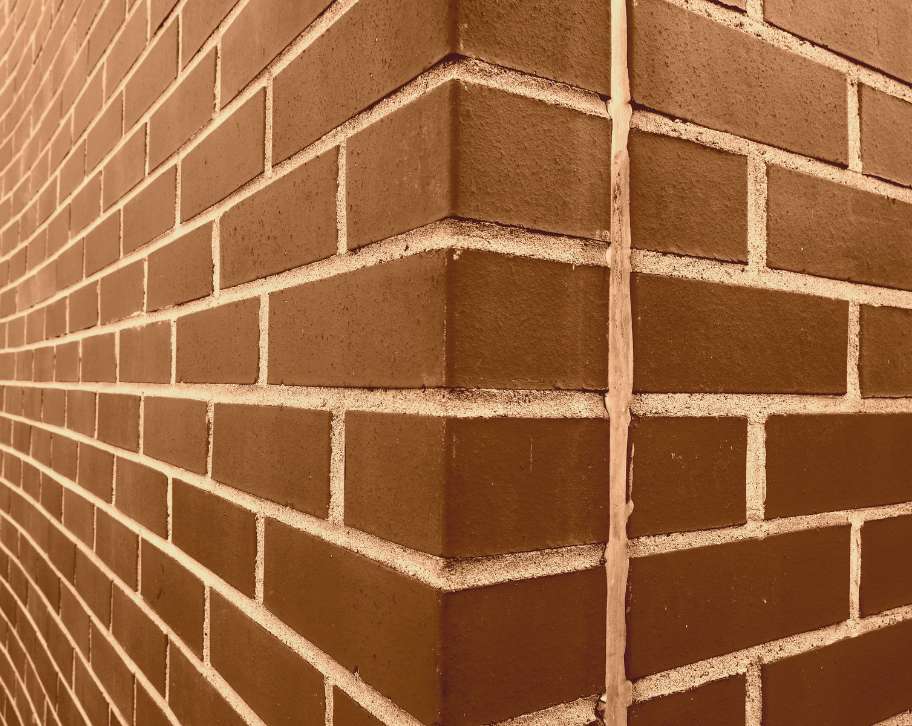
Masonry joints are the mortar-filled spaces between individual brick, stone, or concrete masonry units (CMUs). They serve three critical functions: structural bonding, weather protection, and aesthetic definition. Without properly filled and finished joints, even the highest-quality masonry units will fail prematurely.
Every masonry wall contains two primary joint types. Bed joints run horizontally between courses of brick or stone, while head joints run vertically between adjacent units in the same course. Complete mortar fill in both joint types is non-negotiable for wall stability and moisture resistance. Gaps or voids allow water penetration, which leads to freeze-thaw damage in climates like New Brunswick.
The visible surface of the mortar is called the joint profile. This shaped finish directly impacts how water moves across the wall face, how shadows define the masonry pattern, and how well the structure performs over time. Before the mid-1800s, masons simply finished joints with the same trowel used to lay the brick. Specialized striking tools introduced during that era transformed joints from basic finishes into engineered profiles with distinct performance characteristics.
Compressed joints are tooled during the curing process using metal or wooden instruments. This compression seals the mortar tightly against the masonry units, creating a weather-resistant barrier. Non-compressed joints are left untooled or minimally finished, which makes them more vulnerable to water infiltration and deterioration.
The difference between a compressed and non-compressed joint can determine whether your wall lasts 30 years or requires repointing after just 15. In regions with significant precipitation and freeze-thaw cycles, this distinction becomes even more significant. Water that seeps into poorly finished joints expands when it freezes, cracking the mortar and eventually damaging the brick or stone itself.
Atlantic Brick and Stone applies over 15 years of local climate knowledge when selecting joint profiles for projects throughout Fredericton and surrounding areas. Our team understands how New Brunswick’s weather patterns stress masonry differently than milder climates, and we match mortar mixes and profiles to these regional demands. This experience ensures that every joint we finish provides both immediate visual appeal and long-term structural protection.
When your masonry faces rain, snow, and temperature swings year after year, the joint profile you choose makes the difference between a wall that lasts decades and one that requires expensive repairs within 15 years. Three profiles stand out for their ability to shed water and resist freeze-thaw damage.
Concave joints are the industry standard for durability. A curved tool (often called a sled runner or jointer) creates a recessed, semi-circular profile during the curing process. This compression seals the mortar tightly against the brick or stone, eliminating flat ledges where water can pool. Because water runs off rather than sitting on the joint surface, concave profiles resist moisture infiltration better than any other common finish. They’re the default choice for concrete masonry units (CMUs) and standard brickwork in high-moisture environments.
V-joints deliver the same weather resistance through a different aesthetic. A pointed tool creates a sharp, geometric “V” shape that compresses the mortar just as effectively as a concave joint. The crisp shadow line emphasizes the structure of the masonry, making V-joints popular in modern architecture where clean lines and geometric patterns are priorities. Like concave joints, V-joints shed water efficiently and provide excellent moisture barriers.
Weathered joints take a different approach to water management. Rather than relying solely on compression, this profile tapers inward from the bottom front edge of one course to the top edge of the course below. This downward slope actively directs water away from the wall face. The subtle shadow effect emphasizes horizontal lines, making weathered joints a traditional choice for residential homes and historic replication projects where period-appropriate aesthetics matter.
|
Joint Profile |
Water Resistance |
Shadow Effect |
Best Use |
|---|---|---|---|
|
Concave |
Excellent |
Moderate |
CMU, standard brick, high-moisture areas |
|
V-Joint |
Excellent |
Sharp, geometric |
Modern architecture, emphasis on structure |
|
Weathered |
Very Good |
Subtle horizontal |
Traditional homes, historic replication |
Compressed joints are non-negotiable for exterior walls in regions where freeze-thaw cycles stress mortar annually. When water seeps into a joint and freezes, it expands with enough force to crack mortar and spall brick. Concave, V-joint, and weathered profiles minimize this risk by preventing water from entering the joint in the first place.
These three profiles also balance durability with cost-effectiveness. They require standard tools and moderate labor time, making them practical choices for both residential and commercial projects. More decorative profiles may look impressive, but they often sacrifice weather resistance and require more frequent maintenance in harsh climates.
Not every masonry project prioritizes weather resistance above all else. Some applications call for visual impact, historic accuracy, or modern minimalism. These specialty joint profiles deliver distinct aesthetics, but they come with functional trade-offs that property owners need to understand before committing to them.
Raked joints create dramatic shadow lines by intentionally removing 2-5mm of mortar from the joint before it fully sets. This recessed profile makes individual brick edges stand out, giving walls a bold, textured appearance that’s popular in contemporary design. The deep shadows emphasize the masonry pattern, but those same recesses can trap water and snow. In wet climates, raked joints require more frequent inspection and maintenance to prevent moisture-related deterioration.
Flush joints sit perfectly level with the face of the brick or stone. Masons apply mortar generously, then strike it smooth so the joint surface is even with the masonry units. This profile is often paired with color-matched mortar to create a seamless, monolithic wall appearance. Because the mortar isn’t compressed by tooling, flush joints are less water-resistant than concave or V-joints. They work well for interior applications or sheltered exterior locations where direct weather exposure is minimal.
Grapevine joints (also called colonial joints) replicate pre-20th-century American masonry. The profile features a raised bead or recessed groove running through the center of the joint, resembling a grapevine or decorative trim. This hand-crafted appearance suits traditional residential styles and historic restoration projects. However, grapevine joints are labor-intensive. Achieving consistent execution across large facades requires specialized skills and adds significant time to the project schedule.
Struck joints taper from the top front edge of a course inward toward the bottom of the course above. This creates a ledge at the bottom of each joint where water can collect. While struck joints have historical significance in American colonial architecture, they’re functionally problematic for exterior use in regions with significant precipitation. The inward slope directs water toward the wall rather than away from it, making struck joints suitable only for interior or fully sheltered applications.
Beaded joints produce a raised, rounded bead that projects beyond the face of the masonry. This formal profile is used in high-end stonework and historic restorations where visual refinement is the priority. The protruding bead creates intricate shadow lines, but it’s highly susceptible to weathering. Freeze-thaw cycles and direct rain exposure quickly erode the raised mortar, making beaded joints a poor choice for unprotected exterior walls.
Decorative joints increase project costs because they require more time and specialized expertise. A mason can finish a concave joint quickly using standard tools, but a grapevine or beaded joint demands careful hand-tooling to maintain consistency across the entire facade. For property owners and developers, the decision comes down to balancing architectural character with environmental demands and budget constraints.
Choosing the right joint profile is only the first step. Proper execution requires experience, the right tools, and a deep understanding of how local weather affects masonry performance. Atlantic Brick and Stone brings over 15 years of hands-on expertise to every project, from new construction to historic restoration.
Our team specializes in matching mortar mixes to the specific demands of each application. We analyze hardness, flexibility, breathability, color, and texture to ensure compatibility with existing masonry. For historic buildings, we prioritize softer, lime-based mortars that align with original construction methods. Using overly hard modern mixes in older structures causes brick spalling and cracking, a costly mistake we actively work to prevent.
We offer comprehensive brick repointing services that remove deteriorated mortar and replace it with carefully matched mixes. You’re addressing crumbling chimney joints or restoring a commercial facade, we deliver results that are both structurally sound and visually refined. Our work is backed by a warranty, and we provide free, no-obligation estimates so you can plan your project with confidence.
Safety is a core priority on every job site. Masonry work often involves heights, tools, dust, and debris. We maintain full insurance coverage and adhere to all local safety regulations, protecting both our team and your property throughout the project.
If you’re noticing cracks, gaps, or crumbling mortar in your masonry, don’t wait for the damage to worsen. Contact Atlantic Brick and Stone for a professional assessment and a transparent estimate tailored to your specific needs.
Repointing is the process of removing deteriorated mortar from joints and replacing it with fresh mortar to restore structural integrity and weather resistance. Tuckpointing is a decorative technique where two contrasting mortar colors create the illusion of fine, precise joints. Repointing is a structural repair, while tuckpointing is primarily an aesthetic enhancement often used in historic restoration.
Properly installed mortar joints in weather-resistant profiles typically last 25-30 years in moderate climates. In regions with harsh freeze-thaw cycles like New Brunswick, that lifespan can reduce to 15-20 years. Historic buildings with softer lime-based mortars may require inspection and maintenance every 10-15 years to prevent accelerated deterioration.
No. Mortar must match the hardness, flexibility, and breathability of the existing masonry. Using modern hard mortars on historic soft brick causes spalling and cracking because the mortar becomes stronger than the brick itself. Professional masons analyze the original mortar composition before selecting replacement mixes to ensure long-term compatibility and prevent damage.
Concave or V-joints offer maximum weather resistance for exterior walls and are the best choice for most applications. Weathered joints provide strong water shedding with traditional aesthetics. Raked or flush joints work well for modern designs but may require more frequent maintenance in wet climates. Your choice should balance visual goals with local weather conditions.
Call a professional when mortar crumbles easily under light pressure, cracks exceed 3mm in width, or visible gaps appear between mortar and brick. These signs indicate structural deterioration that will worsen without intervention. Atlantic Brick and Stone offers free estimates and specializes in matching historic mortar compositions for restoration projects throughout Fredericton and surrounding areas.
GET STARTED
Create stunning structures with our residential and commercial masonry services in Fredericton. From meticulous designs to the completed build, our process is professional and rewarding, and we can’t wait to build your dream with you.
Atlantic Brick and Stone, one of the best masonry contractors in Fredericton, NB
Contact
8 Muskie Street, Lower Kingsclear, New Brunswick E3E 0E7, Canada