
Chimney crack repair is vital before winter because freezing temperatures turn trapped moisture into expanding ice, causing structural failure. Homeowners determine seriousness by inspecting crack width, direction, and location. Atlantic Brick and Stone finds that horizontal fractures and damaged crowns require immediate professional intervention to prevent leaks, interior water damage, and dangerous gas leaks.
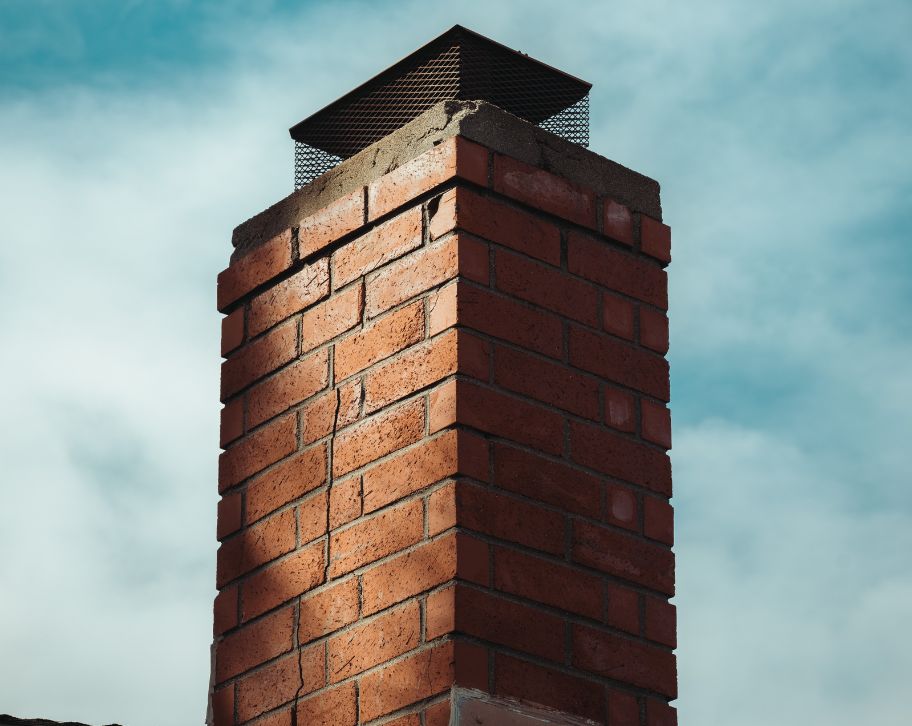
Property owners must learn to distinguish between minor cosmetic issues and dangerous structural cracks that demand repair before cold weather arrives. Surface flaws often look alarming, but they rarely threaten immediate stability. Deep fractures indicate severe movement or excessive weight loads.
Horizontal cracks and wide diagonal splits pose immediate safety risks during freezing temperatures. Recognizing these patterns allows property owners to schedule interventions before snow and ice compound the structural threat.
Hairline cracks in mortar joints often appear after seasons of thermal expansion and contraction. Minor gaps allow small amounts of moisture inside the brickwork during autumn rainstorms.
Property owners can seal these surface gaps using appropriate exterior sealants to block water entry. Addressing small mortar gaps early prevents moisture from penetrating deeper into the masonry stack.
Horizontal cracks signal excessive weight from above or severe foundation shifting. Soil movement and uneven settling place massive stress on rigid masonry structures.
These severe gaps require urgent professional masonry intervention to restore stability. Ignoring horizontal fractures risks sudden structural failure during heavy snow loads.
Winter weather accelerates masonry deterioration through relentless freeze-thaw cycles and heavy water intrusion. Fredericton winter conditions subject porous bricks to alternating periods of freezing temperatures and damp thaws. Roughly 85 percent of all structural masonry failures in cold climates start with unsealed moisture.
Snow accumulation on top of the stack insulates the masonry, which prolongs frozen conditions and extends stress windows. Without prompt repair, small fissures quickly expand into major structural failures.
Porous bricks and mortar absorb moisture readily during autumn rains and damp winter thaws, which can lead to chimney problems if not addressed. Freezing water expands by 9 percent inside masonry pores, exerting immense internal pressure.
This internal force causes creosote buildup, which can pose a fire hazard if not removed by a chimney sweep. surface spalling and crumbling mortar joints over successive cold weeks. Repeated freezing turns micro-cracks into wide gaps that threaten the entire stack.
Unsealed cracks let melting snow and rain into the home framing and interior spaces. Moisture rots wooden framing members and ruins drywall around the fireplace opening.
Rusted metal dampers and firebox corrosion also result from unchecked water leaks. Mold growth and poor indoor air quality frequently accompany long-term moisture intrusion.
Specific top components of the chimney system commonly fail before winter arrives. A cracked concrete crown leaves the entire masonry stack vulnerable to cascading water damage.
Damaged internal flue liners and missing chimney caps also create severe fire and gas leak hazards. Inspecting these vital upper elements prevents hidden failures during peak heating season.
Concrete crown cracking and missing overhang drips allow water to attack underlying bricks from above, increasing the risk of chimney problems. Water pools on damaged crowns and seeps directly into the vertical masonry joints, potentially worsening creosote buildup in the chimney.
Cap installation benefits homeowners by keeping out falling snow, leaves, and debris. A solid cap and properly sloped crown direct moisture safely away from the flue.
Clay tile liners crack easily from thermal shock during intense winter fires. Escaping heat and toxic gases can then reach wooden framing through cracked flue walls.
Carbon monoxide leaks pose a lethal danger to building occupants when flues fail. Professional relining or resurfacing restores internal safety before heavy fireplace use begins.
Different repair techniques and materials restore damaged chimneys depending on structural needs. Comparing tuckpointing, crown rebuildingChimney service and flashing repair helps property owners choose the right fix. Local data shows that 3 out of 4 masonry repairs performed before November avoid costly emergency service calls later.
Contractors also weigh standard Portland cement against breathable heritage lime mortars for older buildings. Selecting the correct material prevents further damage to historic or modern masonry.
|
Repair method |
Description of chimney safety measures is crucial for preventing issues related to winter chimney repair. |
Ideal use case |
Expected outcome |
|---|---|---|---|
|
Tuckpointing |
Grinding out damaged mortar and packing in fresh mix |
Deteriorating mortar joints can worsen the integrity of the chimney and lead to costly repairs. |
Restores weather resistance and structural strength |
|
Crown sealing |
Applying elastomeric waterproof coatings to top slabs |
Minor crown cracks |
Blocks water penetration from above |
|
Brick replacement |
Extracting spalled units and laying new masonry |
Cracked or flaking bricks |
Renews wall integrity and appearance |
|
Flue relining |
Inserting stainless steel liners into damaged flues |
Cracked clay tile liners |
Prevents toxic gas leaks and fire hazards |
Professional masonry solutions provide essential support for property owners needing winter chimney preparation. Atlantic Brick and Stone offers comprehensive whole-system assessments covering every part of the structure.
With years of local experience protecting Fredericton properties against harsh winter conditions, trusted contractors deliver reliable results. Proper winterization safeguards assets and ensures safe heating all season long, especially when considering fireplace and chimney maintenance.
Property owners ready to protect their homes can contact us today to learn more about pre-winter chimney assessments and expert masonry repairs.
Identifying crack types helps homeowners separate minor cosmetic flaws from structural dangers.
Freeze-thaw cycles turn trapped moisture into damaging ice expansion inside masonry.
Crown and flue risks threaten the overall safety and stability of the entire chimney stack.
Professional inspection values far outweigh the small cost of routine pre-winter maintenance.
DIY kits work only for very minor surface touch-ups on non-structural areas, and professional chimney service is recommended for more significant repairs. Untrained eyes frequently miss hidden structural damage inside flues or crown slabs, which can lead to serious chimney problems. Professional evaluation ensures lasting safety and correct material selection for winter conditions, particularly for chimney needs.
Repair costs vary widely based on damage severity, location, and required materials. Minor crack sealing costs far less than major crown rebuilding and stainless steel relining. Small preventative fixes always save money compared to emergency winter repairs.
Continuous exposure to rain, snow, and freeze-thaw cycles degrades concrete crowns over time. Poor original concrete mixing or missing overhang drip edges also accelerate cracking. Temperature fluctuations cause the concrete slab to expand and fracture.
Cracked flue tiles allow intense heat and toxic gases to reach wooden framing. This situation dramatically increases the risks of carbon monoxide leaks and house fires. Immediate professional relining or resurfacing is required before burning wood.
Annual pre-winter professional chimney inspections are recommended for all masonry structures. Catching hairline cracks early prevents severe winter weather damage from taking hold. Regular checks ensure adherence to Canadian safety standards for home maintenance, including chimney safety protocols.
GET STARTED
Create stunning structures with our residential and commercial masonry services in Fredericton. From meticulous designs to the completed build, our process is professional and rewarding, and we can’t wait to build your dream with you.
Atlantic Brick and Stone, one of the best masonry contractors in Fredericton, NB
Contact
8 Muskie Street, Lower Kingsclear, New Brunswick E3E 0E7, Canada