
The reality is that chimney crown cracks causing brick damage is a frequent and serious issue for homeowners, especially in climates with harsh winters. These cracks are more than just surface imperfections; they are entry points for water that can compromise your entire chimney structure. This can lead to expensive repairs, mold growth, diminished indoor air quality, and potential safety hazards such as compromised flue integrity. Understanding the role of your chimney crown is the initial step in protecting your home from this preventable damage.
This article will explain what a chimney crown is, why it cracks, and how that leads to brick deterioration. We will also cover effective repair solutions and preventative maintenance to keep your chimney safe and sound. Let’s look at the primary line of defence for your chimney.
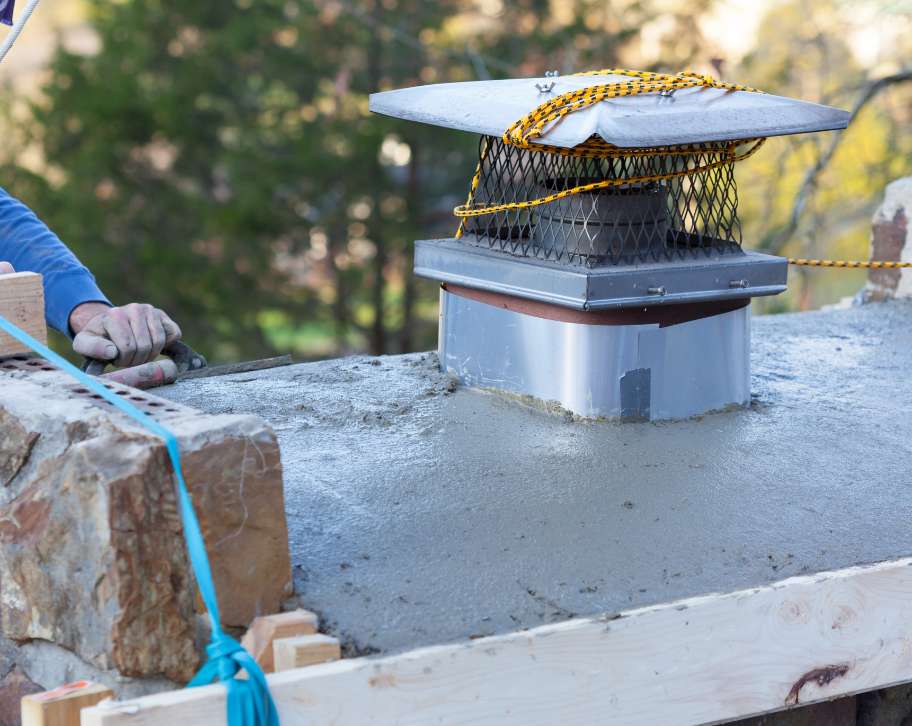
A chimney crown is the concrete or masonry slab located at the very top of your chimney, acting as a roof to shield the structure from weather. Its primary function is to direct rain, snow, and ice away from the flue opening and the porous bricks below, preventing water from seeping into the chimney’s core. Many people confuse the crown with a chimney cap, which is a metal cover installed directly over the flue to stop downdrafts and keep animals out. The crown, however, is the solid, structural component that seals the entire top surface of the chimney.
Crowns are typically constructed from a durable, water-resistant material like Portland cement-based concrete, which offers greater resilience than standard mortar mixes. Some older chimneys might feature simple brick-and-mortar crowns, which are far more susceptible to deterioration. A properly constructed crown is engineered with specific features for maximum safeguarding. It has a downward slope, often called a “wash,” that ensures water runs off instead of pooling on the surface. It should also extend at least two inches beyond the chimney’s walls, creating an overhang with a drip edge that forces water to fall clear of the brick face. By sealing the top of the chimney, the crown is key for stopping water infiltration, preventing debris from clogging the flue, and extending the life of your entire chimney system.
Chimney crowns develop cracks primarily due to constant exposure to the elements and, in many cases, flaws in the original construction. The relentless Canadian freeze-thaw cycle is particularly destructive; water seeps into tiny fissures, freezes and expands by about nine percent, and forces the cracks to widen. According to the National Research Council Canada, this cyclical pressure can break apart even strong masonry over time. Poor construction, such as using standard mortar instead of durable Portland cement, also leads to premature failure.
“Regular inspections are the bedrock of chimney maintenance. Catching small crown issues early can save homeowners thousands of dollars and prevent hazards,”
Detecting this damage early is vital to avoiding a costly chimney rebuild. Homeowners should regularly look for specific warning signs that point to a problem with their chimney crown. Identifying these indicators allows for timely repairs before minor issues escalate into major structural failures.
Visible cracks. The most direct sign of a problem is the presence of cracks on the crown’s surface. These can range from fine hairline fissures to large, deep fractures that split the crown apart, creating a direct path for water.
Spalling or chipping. When you see pieces of concrete or masonry flaking off the crown or find bits of brick on your roof or the ground, this is a sign of spalling. This shows that water has penetrated the material and is breaking it apart from the inside through freezing.
Efflorescence. A white, powdery stain that appears on the bricks just below the chimney crown is called efflorescence. This is a clear indication that water is leaking through the crown, dissolving natural salts within the bricks, and depositing them on the surface as it evaporates.
Moisture leaks. If you notice damp patches on interior walls or ceilings near the chimney, or find water inside the firebox, it often originates from a compromised crown. A rusted damper is another common sign of internal moisture.
Vegetation growth. The presence of moss, algae, or small weeds on the crown suggests that the masonry is holding excess moisture. Plant roots can worsen existing cracks and speed up the deterioration process.
A cracked chimney crown causes extensive brick damage by directing water directly into the core of the masonry structure below. Because brick and mortar are porous materials, they absorb this moisture like a sponge through a process called capillary action. Once the chimney’s interior is saturated, the destructive freeze-thaw cycle begins to wreak havoc on the bricks and mortar joints from the inside out. This process leads to considerable and often rapid deterioration of your chimney’s structural integrity.
The most common result of this internal moisture is brick spalling. This happens when the trapped water freezes and expands, exerting immense pressure that forces the hard, outer face of the brick to pop off or flake away. Once a brick loses its protective face, its softer interior is exposed, leading to faster decay. At the same time, the water washes away the binding agents in the mortar joints, causing them to weaken, crumble, and turn to sand. This not only compromises the chimney’s stability but can also create hidden damage, allowing water to reach and rot the wooden framing of your home. Beyond structural issues, extensive moisture intrusion can lead to mold and mildew growth within wall cavities, degrade insulation effectiveness, and potentially compromise the flue liner, which is critical for the safe venting of combustion byproducts. A damaged flue liner can pose a carbon monoxide poisoning risk.
Effective solutions for a cracked chimney crown are customized to the severity of the damage, ranging from simple seals to a complete rebuild. A professional assessment is the best way to determine the right course of action, guaranteeing that the chosen solution addresses the root cause of the problem. Such an assessment typically involves a thorough visual inspection of the crown’s surface, examining for cracks, spalling, and proper overhang. Experts also evaluate the surrounding masonry, flue liner, and internal structure to understand the full extent of water-related damage. The most lasting repairs are followed by proactive prevention strategies to protect the chimney for many years.
For minor, hairline cracks, a professional-grade crown sealant is often sufficient. This involves applying a flexible, waterproof membrane that covers the fissures and prevents further water entry while allowing trapped moisture to escape. If the damage is more moderate, with wider cracks or localized spalling, crown patching or resurfacing may be necessary. This process uses a high-strength patching compound to fill voids and can involve applying a new layer of specialized concrete over the entire surface to restore its integrity. For severely damaged or structurally unstable crowns, a complete crown replacement is the only safe option. This involves demolishing the old crown and building a new one from reinforced concrete with the correct slope and overhang for optimal water shedding.
Understanding the scope of repairs helps in making an informed decision:
|
Repair Type |
Damage Severity |
Application |
Longevity (Estimated) |
Relative Cost |
|---|---|---|---|---|
|
Crown Sealant |
Hairline cracks, minor surface fissures |
Applied as a flexible, waterproof membrane over the existing crown |
5-10 years |
Low |
|
Crown Patching/Resurfacing |
Wider cracks, localized spalling, surface irregularities |
High-strength patching compound to fill voids, applying a new concrete layer |
10-15 years |
Medium |
|
Complete Crown Replacement |
Severe structural damage, extensive cracking, instability, improper construction |
Demolition of the old crown and building a new, reinforced concrete crown with optimal design |
20-30+ years |
High |
After any repair, preventative maintenance is paramount. This includes regular cleaning to remove debris, annual professional inspections, and immediate attention to any new signs of damage. Applying a breathable water repellent specifically designed for masonry can offer an extra layer of protection against moisture penetration, extending the crown’s life.
Connect with Atlantic Brick and Stone, with over 15 years of local experience, for expert assessment, quality repairs, and customized solutions that protect your property from New Brunswick’s demanding climate.
Protecting your home from water damage starts at the top. A well-maintained chimney crown is key for preserving your chimney’s structural integrity and preventing costly future repairs. Early detection and professional intervention are the means to guarantee your chimney remains a safe and durable feature of your home.
A well-built chimney crown, properly installed with durable materials and regular maintenance, can last 20-30 years. However, constant exposure to harsh elements, especially severe freeze-thaw cycles, can substantially shorten its lifespan without consistent care.
Minor cracks and superficial damage can often be sealed or patched by a qualified professional. However, severe damage, widespread spalling, or considerable structural instability typically requires a complete crown replacement to ensure lasting safety and prevent further deterioration.
Professionals recommend annual inspections, ideally conducted in late summer or early autumn. This timing allows for minor issues to be identified and repaired before they can escalate due to the damaging effects of winter weather.
A chimney crown is the concrete & masonry slab sealing the top of the chimney structure, directing water away from the masonry. A chimney cap is a cover installed directly over the flue opening to prevent downdrafts, keep out debris, and deter animal entry. The crown is structural; the cap is an accessory.
Most standard homeowner policies cover sudden, accidental damage, such as damage from a storm or falling tree. Damage resulting from long-term neglect, poor maintenance, or general wear and tear is typically not covered. This underscores the importance of regular inspections and preventative maintenance.
GET STARTED
Create stunning structures with our residential and commercial masonry services in Fredericton. From meticulous designs to the completed build, our process is professional and rewarding, and we can’t wait to build your dream with you.
Atlantic Brick and Stone, one of the best masonry contractors in Fredericton, NB
Contact
8 Muskie Street, Lower Kingsclear, New Brunswick E3E 0E7, Canada