
Fredericton homeowners cannot use one fixed figure for chimney repair cost because each stack has different damage and access. For 2026 planning, rough chimney repair cost estimates range from C$250–C$900 for a cap, C$500–C$2,500 for crown work, C$800–C$3,000 for partial repointing, C$3,000–C$8,000 for full repointing, C$3,500–C$10,000 for an above-roofline rebuild, and C$10,000 or more for a full rebuild. These are approximate planning figures, not guaranteed quotes.
The final chimney repair cost depends on the repair area, materials, roof access and safety measures. The estimate may also change if workers find hidden damage after removing loose mortar or bricks. Ask what the quote includes before comparing prices.
This guide explains common repair types, local weather concerns and the difference between repair and rebuilding. It also shows how to compare written estimates and why a smaller repair may not always be the right long-term solution.
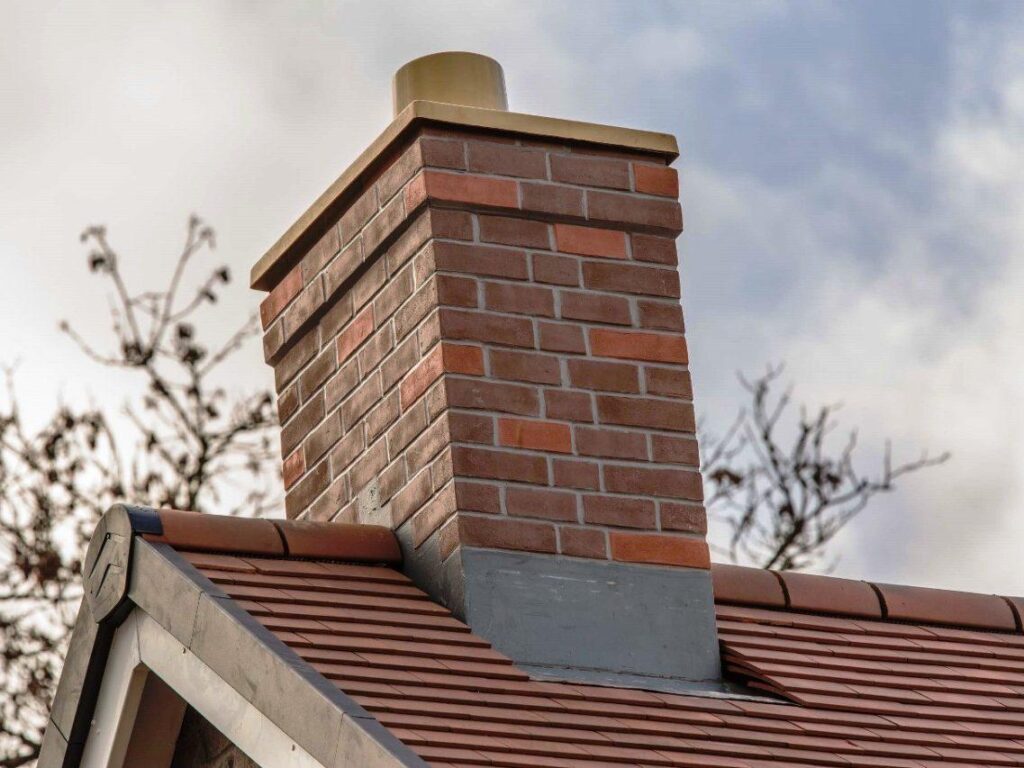
Common chimney repair costs vary by the work, affected area and access needs. A small crown repair differs from rebuilding a chimney above the roof. Canadian planning ranges can help you understand the likely scale, but an on-site review is needed for a property-specific estimate.
The table shows broad Canadian-dollar examples for common chimney work. These are not Fredericton-specific prices, and the final estimate depends on the chimney and project scope.
| Repair type | Broad planning range |
|---|---|
| Chimney cap | C$250–C$900 |
| Crown work | C$500–C$2,500 |
| Flashing repair (roof junction) | C$500–C$2,000 |
| Partial repointing | C$800–C$3,000 |
| Full repointing | C$3,000–C$8,000 |
| Rebuild above the roofline | C$3,500–C$10,000 |
| Full rebuild | C$10,000 or more |
General brick repairs and flashing work may also reach thousands of dollars when damage or access needs are extensive. Crown repair and full crown rebuilding are different jobs, so ask which one the estimate covers. Repointing means removing deteriorated mortar from joints and replacing it; cracked, loose or badly worn bricks may need replacement. Flashing is the weather seal where the chimney meets the roof, while a leak may also come from the crown, masonry or several sources. Atlantic Brick and Stone does not provide a general price list for every type of chimney work.
A price range is most useful when paired with a clear description of the work. For example, an estimate for crown work should clarify whether it covers sealing or patching a limited area, or removing and replacing more of the crown. Likewise, a repointing quote should identify the joints or sections included, since the term can describe work on a small area or much of the chimney.
These 2026 planning ranges are approximate estimates rather than fixed prices for any particular chimney. Prices may be higher or lower for an actual Fredericton property. The figures are indicative, may not include all work or taxes, and should not be added together as if each repair were separately required.
These rough estimates may not reflect current local labour or material costs. A broad range can include very different scopes, from limited repairs to extensive masonry work. That’s why the label alone cannot tell you what a particular project should cost.
In New Brunswick, HST is 15% on taxable services. Ask whether the contractor’s written quote includes HST or lists it separately. Do not assume the planning ranges in this guide are tax-inclusive.
Check whether the estimate includes tax, safe access equipment, roof protection, debris removal and cleanup. Ask if the price covers only the visible defect or also related work, such as replacing damaged bricks. A written scope helps you understand what you are paying for.
If you receive more than one estimate, make sure each masonry contractor is pricing the same repair area and materials. One quote may include setup, cleanup or replacement of nearby damaged masonry, while another may exclude those items. Ask for any exclusions to be listed in writing so you can compare the full expected cost rather than just the initial total.
The final chimney repair price changes with the damage, chimney design, materials and work access. Two homes with similar visible cracks may need different repairs. The area’s condition and the method needed to reach it can affect labour, preparation and materials.
A small, defined defect may need less work than damage affecting the crown, joints and brickwork together. A chimney leak may involve the roof junction, but the crown or masonry could also be involved. A visible sign alone does not confirm the cause or the full repair area.
Height, roof shape and nearby obstacles can affect safe access. Scaffolding or other equipment may add setup and work time. The portion above the roofline often faces more exposure, but the lower chimney still needs review before a partial rebuild is chosen.
The surrounding property can also affect how a crew reaches the chimney and protects the roof. A steep roof, limited space for equipment or nearby trees may require additional setup. Ask whether the estimate accounts for these conditions, and whether the contractor has identified any access limits before work begins.
Brick, stone and mortar need repair materials that suit the existing masonry. This matters especially for older chimneys, where a poor match can affect how the materials handle moisture and movement. Sourcing a close match for older brick or stone may also take extra time.
Removing failed mortar or masonry can reveal damage that was hidden from view. Ask how the contractor will explain added work, price it and get your approval before proceeding. A clear process helps prevent unexpected costs from becoming a surprise.
Material selection is not only about appearance. Mortar and masonry should be suitable for the existing construction and the exposure the chimney receives. Ask the contractor to identify the proposed materials and explain any planned change from what is already there. If matching existing brick or stone is difficult, find out whether a sample or product description can be reviewed before installation.
A localized repair may suit a chimney with sound surrounding masonry and a clear, limited defect. A partial or full rebuild may be considered when deterioration or instability affects a larger area. An assessment helps show which option fits the condition, rather than relying on one visible symptom.
Repointing may address failing joints when nearby bricks or stones remain sound. Replacing a few damaged bricks or repairing a crown that remains structurally sound may also suit a limited repair. The estimate should describe the affected area and the work needed.
Flashing work may address a leak when the roof junction is the source. Since water can also enter through the crown or masonry, the cause should be checked before choosing the repair. A small repair can address a known defect, but it does not promise that no other work will be needed later.
A focused repair can be a sensible option when the surrounding structure is stable and the defect is clearly defined. Ask how the contractor checked the adjacent masonry and what signs would indicate that the repair area needs to be larger. This makes it easier to understand both the recommendation and its limits.
An above-roofline rebuild replaces the exposed part of the chimney, if the remaining structure is suitable. Extensive damage, a leaning or bowing stack, or deterioration farther down the chimney may lead to a broader rebuild recommendation. The scope should state what will be removed and rebuilt.
Ask why that scope fits the findings and what condition remains outside the work area. If estimates recommend different approaches, compare their work descriptions and expected results. The lowest total does not always cover the same repair.
A rebuild estimate should make the limits of the work easy to identify. Check whether it includes removal and disposal of the old masonry, replacement materials, mortar, any cap or crown work, and cleanup. Also ask whether the contractor expects to inspect the remaining chimney once the damaged section is removed, and how added work would be approved.
New Brunswick weather can affect chimney masonry through water entry and repeated freezing and thawing. Water that reaches cracks, joints or porous masonry can worsen damage as it freezes and expands. A visible warning sign can prompt an assessment, but it does not prove the cause or extent.
Rain and melting snow can enter through an open joint, a damaged crown, a missing cap or failed flashing. If moisture freezes inside masonry, expansion can add stress to bricks, stone and mortar. Past repairs, materials and upkeep also affect how a chimney handles exposure.
The crown, mortar joints, cap and flashing all play a part in managing water. A repair to one component may not stop a leak if another entry point remains. Discuss timing with a contractor, since exterior masonry work depends on site and weather conditions.
Homeowners can note when moisture appears and whether it follows heavy rain, snowmelt or a particular season. This information may help a contractor investigate the likely entry points, though it cannot confirm the source on its own. Keep photos of visible changes over time, taken from a safe location, to help describe what has worsened or appeared recently.
Cracked or missing mortar, loose or spalling bricks, crown cracks, damaged flashing, a missing cap or pieces of masonry on the roof or ground can call for a closer look. Indoor water stains or dampness near the chimney may also need investigation. A chimney leak can have more than one possible source.
Do not climb onto the roof or handle loose masonry without suitable training and equipment. A ground-level check cannot confirm the full condition of a chimney. If the stack looks unstable or the flue may be damaged, seek a qualified assessment before using the connected appliance.
Make a note of the location and appearance of any visible damage, but avoid touching loose bricks or mortar. If pieces have fallen, keep people away from the area below them until it has been assessed. Signs inside the home, such as staining or a persistent damp patch near the chimney, are also worth mentioning during the inspection.
Comparing chimney assessments and estimates starts with knowing what each service covers. Inspection, sweeping and masonry repair are separate services unless the estimate says otherwise. A useful written estimate names the work, materials, access needs, exclusions and process for extra repairs.
A masonry assessment looks at the exterior structure and related visible parts. Chimney sweeping removes deposits, while appliance servicing and a flue inspection address different parts of the system. A masonry repair does not by itself confirm that the flue is safe to use.
Ask which areas the assessment covers and whether a specialist review may be needed. Confirm whether the assessment fee is separate from the repair estimate. If the chimney serves a fireplace or heating appliance, clarify whether its flue and operation are included.
Before booking chimney repair, describe the chimney’s age if known, the type of appliance it serves and any visible changes or leaks. Ask whether the visit is limited to an exterior masonry review or includes other checks. Knowing what is and is not covered helps you arrange any additional service that may be needed.
Check that each estimate identifies the repair area, preparation, materials, access equipment and debris removal. Confirm whether roof protection, cleanup, taxes and related crown or flashing work are included. A clear scope makes it easier to compare the actual chimney repair cost.
Ask how concealed damage will be documented and how added work will be priced and approved. Compare the repair method and included tasks, not only the total. If estimates differ substantially, request a written explanation of the scope and assumptions behind each price.
Before accepting an estimate, confirm these details in writing:
These checks do not determine which contractor is right for the job, but they help clarify what each price covers. Keep the estimate and any approved changes with your home maintenance records. If the work changes after it starts, ask for the revised scope and cost before authorizing the additional work.
When your chimney has crumbling mortar, damaged brickwork, a deteriorating crown or signs of movement, the next step is to identify the affected area before approving a repair. Atlantic Brick and Stone’s chimney repair services include crown repair, repointing and rebuilding for Fredericton and surrounding communities. Contact the team to request an estimate based on your chimney’s condition, safe access requirements and the work that is actually needed.
These chimney repair questions cover insurance, homeowner work, roof repairs and fireplace use. The answer can depend on the policy, chimney condition and repair scope. Confirm the details before authorizing work or using an appliance.
Homeowners insurance coverage depends on the policy, cause of damage and exclusions. Sudden damage may be treated differently from gradual wear or lack of maintenance. Document the damage and contact your insurer if you think a claim may apply.
Before arranging repairs, ask the insurer whether it needs photos, an inspection or an estimate. Keep copies of any reports and invoices. Coverage decisions depend on the wording of the policy and the circumstances, so an estimate alone does not confirm whether a claim will be accepted.
A ground-level visual check is different from masonry repair at height. Material choice and preparation matter, especially for older brick or stone. Seek professional advice for significant damage, a high chimney or an unclear cause.
Work on a roof or a tall chimney also involves fall and falling-material risks. Avoid scraping out mortar or applying a patch product without understanding the masonry and the source of moisture. A qualified assessment can help determine whether a repair is limited or part of a larger problem.
No. A cap is a fitting that helps keep rain, debris and animals out of the flue. A crown is the top surface of a masonry chimney that sheds water, so one does not replace the other.
Both parts can affect water entry, but they serve different roles and may need different work. When reviewing a quote, check whether it refers to the cap, the crown or both.
Not always. Estimates vary on whether they include roof work around the chimney. Confirm whether flashing, roofing materials and nearby water damage are included or excluded, and get the scope in writing.
If a leak appears near the chimney, ask whether the contractor has checked both the masonry and the roof junction. Roof repairs and chimney masonry work may be priced separately, so confirm who is responsible for each part.
That depends on the repair and whether the flue or appliance is affected. Follow the contractor’s guidance and arrange a qualified check if flue safety is in question. Do not assume the fireplace is ready as soon as masonry work ends.
Ask when the appliance can be used again and whether any inspection or curing time is required for the work performed. If the repair involved the flue or there are signs of damage inside it, get confirmation from a qualified professional before lighting a fire.
GET STARTED
Create stunning structures with our residential and commercial masonry services in Fredericton. From meticulous designs to the completed build, our process is professional and rewarding, and we can’t wait to build your dream with you.
Atlantic Brick and Stone, one of the best masonry contractors in Fredericton, NB
Contact
8 Muskie Street, Lower Kingsclear, New Brunswick E3E 0E7, Canada