
Imagine there is a cold Fredericton evening. You light a fire expecting warmth and comfort, but instead, smoke billows back into your living room. Your eyes water, the smoke alarm screams, and you’re left wondering what went wrong. This frustrating scenario points to a chimney drafting issue, one of the most common problems homeowners face with their fireplace systems.
Chimney draft is the airflow process that pulls smoke, combustion gases, and dangerous carbon monoxide up through the flue and safely out of your home. It works on a simple principle: hot air rises because it’s less dense than cold air. When fire burns in your fireplace, it heats the air around it. This heated air becomes lighter and naturally moves upward through the chimney, creating a vacuum effect that draws fresh air into the firebox to feed the flames. This continuous cycle keeps smoke moving in the right direction (up and out) rather than the wrong direction (into your home).
When this system fails, the consequences extend beyond mere inconvenience. Poor chimney draft creates serious safety risks, including carbon monoxide accumulation, increased fire hazards from creosote buildup, and respiratory irritation from smoke exposure. Understanding what disrupts this delicate airflow system helps you recognize when professional inspection becomes necessary. The causes typically fall into four main categories: physical blockages that restrict the passage, structural design flaws that weaken the pressure differential, air pressure imbalances that reverse the flow, and environmental factors that interfere with normal operation.
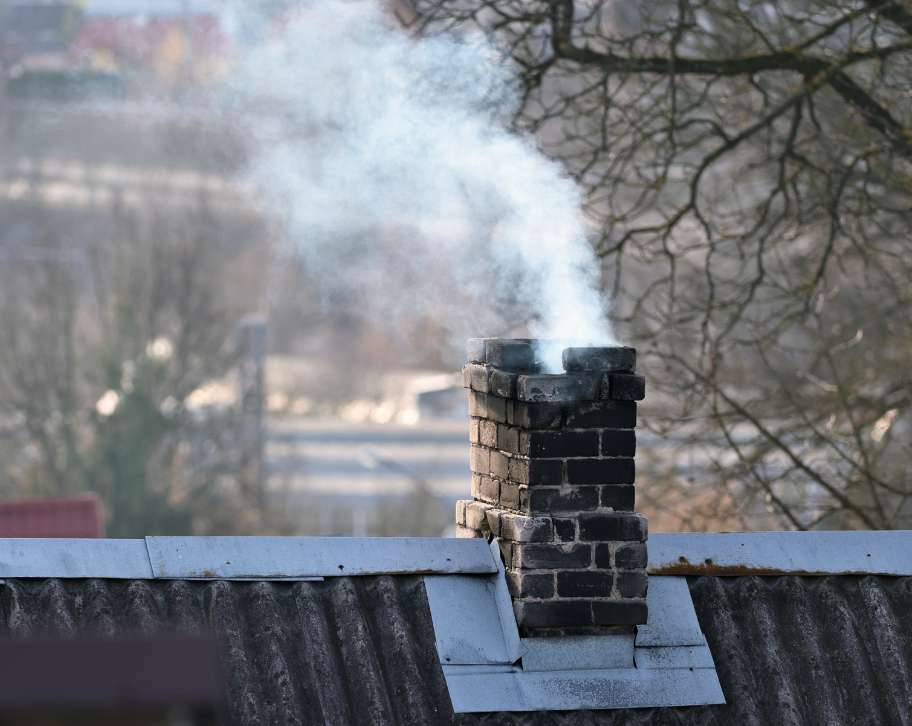
The most common culprit behind poor chimney draft is something physically blocking the flue. Over years of use, incomplete wood combustion creates creosote, a tar-like substance that accumulates on the interior walls of your chimney. This sticky, highly flammable residue gradually builds up in layers, narrowing the flue’s diameter. As the passage becomes more restricted, smoke and gases move more slowly through the chimney. Slower-moving gases cool down faster, and as they cool, they lose the buoyancy that drives them upward. This creates a vicious cycle where restricted airflow leads to cooler gases, which further weakens the draft.
External debris presents another significant obstruction risk. Birds often build nests in uncapped chimneys during spring and summer months. Leaves, twigs, small branches, and even deceased animals can lodge in the flue, especially after periods when the fireplace isn’t being used. These obstructions can partially or completely block the passage, making it impossible for smoke to exit properly.
Homeowners typically notice blockage issues through several telltale signs:
Smoke enters the room immediately when you light a fire
You struggle to keep fires burning because they’re starved of oxygen
Strong smoke odors persist throughout your home even when the fireplace isn’t in use
Visible soot stains appear above the fireplace opening or on nearby walls
The safety implications of blockages extend beyond poor performance. Creosote is extremely flammable, and thick accumulations can ignite, causing dangerous chimney fires that can spread to the rest of your home’s structure. Blockages also trap toxic carbon monoxide indoors, creating an invisible, odorless threat to your family’s health. Regular professional inspection and cleaning remove these obstructions before they escalate into serious hazards, restoring proper airflow and eliminating fire risks.
The physical construction of your chimney directly affects its ability to create the pressure differential needed for strong draft. Insufficient chimney height ranks among the most common structural problems. Building codes typically require chimneys to extend at least two feet above any part of the roof within a ten-foot radius. This height requirement isn’t arbitrary; it ensures the chimney top sits above turbulent air currents created by the roof itself. Chimneys that fall short of this standard lack the vertical distance needed to generate adequate pressure difference between the bottom and top of the flue. They’re also more vulnerable to wind interference, which can push air back down instead of allowing smoke to rise.
Improperly sized flues create different but equally problematic issues. A flue that’s too large for the fireplace or heating appliance it serves allows rising gases to spread out and cool too quickly before they exit. As these gases cool, they lose the heat energy driving them upward, resulting in sluggish or reversed flow. Conversely, a flue that’s too small creates backpressure, restricting the volume of gases that can escape and forcing smoke back into the room.
Damaged or missing flue liners compromise draft in multiple ways. Clay tile liners can develop cracks over time, especially in regions like Fredericton where freeze-thaw cycles stress masonry materials. These cracks allow heat to escape through the chimney walls rather than rising with the smoke. The heat loss cools the flue gases, weakening the temperature gradient that powers the draft. Compromised liners also create serious safety hazards by allowing toxic gases to seep into living spaces through the masonry.
Air leaks throughout the masonry structure disrupt the system’s efficiency. Deteriorated mortar joints, cracks in the chimney crown (the concrete top that seals the masonry), and spalling bricks (where brick faces break away due to moisture damage) all allow cold outside air to infiltrate the flue. This incoming cold air mixes with rising hot gases, cooling them and disrupting the consistent temperature difference the draft depends on.
Location matters significantly as well. Chimneys built on exterior walls or in shaded areas of the property stay colder than those running through the center of a heated home. These colder chimneys require more time and heat to establish draft, and they’re more prone to the “cold flue” phenomenon that prevents initial startup.
These structural issues rarely exist in isolation. A chimney might have both insufficient height and a damaged liner, or air leaks combined with improper sizing. This is why professional assessment proves so valuable. Trained masonry specialists conduct comprehensive inspections that identify all contributing factors, then recommend appropriate remedies such as stainless steel liner installation to correct sizing issues, crown repair to seal air leaks, or repointing to restore mortar joints and structural integrity.
Modern home construction creates an unexpected challenge for chimney systems. Energy-efficient homes are built to be extremely airtight, minimizing heat loss through gaps and cracks. While excellent for reducing heating costs, this tight construction can create negative air pressure that works against your chimney. When your fireplace burns, it consumes oxygen and exhausts air up the chimney. In older, “leakier” homes, replacement air (called makeup air) naturally infiltrates through small gaps around windows, doors, and the building envelope. In tightly sealed homes, there simply isn’t enough makeup air available.
The problem intensifies when other exhaust systems operate simultaneously. Kitchen range hoods, bathroom exhaust fans, and clothes dryers all remove air from your home. If the house is sealed too tightly, these systems create a vacuum effect. The home needs to pull replacement air from somewhere, and if the chimney offers the path of least resistance, air gets drawn down the flue instead of allowing smoke to rise up. This reversal can force smoke directly into your living space.
You can recognize pressure-related issues through simple observation. If smoke puffs back into the room when you turn on the kitchen exhaust fan, negative pressure is likely the culprit. Similarly, if opening a nearby window dramatically improves your fireplace’s draft, it confirms that the home needs additional makeup air. The window provides the oxygen the fire requires and balances the internal pressure, allowing the chimney to function normally.
The cold flue phenomenon presents another common challenge, especially during Fredericton’s harsh winters. When a chimney sits unused for days or weeks, the air inside the flue becomes as cold as the outdoor temperature. This column of cold, dense air acts like a plug, sitting heavily in the flue and resisting displacement by the lighter warm smoke from a newly lit fire. Until you warm this cold air mass sufficiently, smoke will spill into the room rather than rise up the chimney.
Weather conditions add another layer of complexity:
Strong winds blowing across your roof can create downdrafts, literally pushing air back down the chimney
Nearby tall buildings, dense tree cover, or geographic features can disrupt normal airflow patterns
High humidity makes smoke particles heavier
Extreme cold affects how quickly gases rise
Practical remedies address many of these issues without major construction. Cracking a window near the fireplace while burning provides the makeup air tight homes need, immediately improving draft in pressure-challenged situations. For cold flue problems, preheat the chimney before lighting your main fire by holding burning rolled newspaper near the open damper for several minutes. This warms the air column and establishes upward flow. Installing a wind-directional chimney cap helps redirect problematic wind patterns and can actually improve draft by using wind energy to pull smoke upward through aerodynamic design.
When these simple fixes don’t resolve persistent issues, professional diagnosis becomes necessary. Specialists can determine whether structural modifications, such as installing a dedicated outdoor air intake for your fireplace or adjusting your home’s overall ventilation balance, will provide a permanent fix.
Atlantic Brick and Stone brings over 15 years of specialized experience addressing the complex factors that cause chimney drafting issues throughout Fredericton and surrounding communities. Our trained masonry specialists conduct comprehensive inspections of your entire chimney system, examining everything from the firebox to the crown. These thorough assessments uncover hidden problems that homeowners can’t see, including internal fire damage, compromised flue liners with hairline cracks, moisture deterioration, and structural instability from freeze-thaw cycles.
We provide targeted remedies matched to your specific situation. Our services include properly sized flue liner installation using either traditional clay tile or our most popular option, durable stainless steel liners that offer superior warranties and flexibility for navigating chimney offsets. We repair and rebuild chimney crowns with appropriate materials and proper slope design to prevent moisture intrusion. Our correctly sized chimney cap installations provide weather protection while maintaining optimal draft. When masonry deterioration contributes to air leaks and structural weakness, our repointing services restore integrity using compatible mortars, especially important for historic properties where softer lime-based mortars prevent accelerated brick damage.
Our deep understanding of Atlantic Canada’s harsh climate informs every recommendation we make. We know how freeze-thaw cycles stress masonry, how cold winters affect draft establishment, and which materials withstand regional weather patterns. We offer free consultations, transparent pricing, and warranties on all work, so you understand your chimney’s condition and can make informed decisions. If you’re experiencing persistent smoke backup, difficulty maintaining fires, or strong smoke odors, schedule a professional chimney inspection and repair to identify and resolve the underlying causes before they become serious safety hazards.
This frustrating startup problem typically results from the cold flue phenomenon. When your chimney hasn’t been used for several days or weeks, cold dense air fills the flue and sits there like a heavy plug. This is especially common in chimneys built on exterior walls during Fredericton’s freezing winters. The cold air mass resists displacement by the lighter warm smoke from your newly lit fire, forcing smoke back into the room. The fix is preheating the flue before lighting your main fire. Hold burning rolled newspaper near the open damper for several minutes. This warms the air column inside the chimney and establishes upward airflow, allowing your fire to draft properly from the start.
Industry standards recommend annual inspections for chimneys that see regular use, meaning you burn fires frequently throughout the winter heating season. For occasional use (fewer than 50 fires per year), inspections every two to three years provide adequate monitoring. Many issues that affect draft develop gradually and remain invisible without professional assessment. Internal liner damage, progressive creosote accumulation, developing cracks in masonry, and deteriorating mortar joints all compromise draft performance over time. Regular inspections catch these problems while they’re still minor and inexpensive to address, preventing them from escalating into serious safety hazards or requiring complete chimney rebuilds.
A properly designed chimney cap can definitely improve draft, particularly if wind-related downdrafts contribute to your problem. Quality caps prevent wind turbulence from pushing air back down the chimney, and wind-directional caps are specifically engineered to redirect wind in ways that boost upward pull. Caps also provide essential protection by keeping out rain, snow, debris, leaves, and animals that could create blockages affecting airflow. However, it’s important to understand that chimney caps address external factors. They won’t fix internal blockages like heavy creosote buildup, structural problems like damaged liners or insufficient height, or air pressure imbalances within your home. Caps work best as part of a complete approach that addresses all contributing factors.
Yes, opening a window near your fireplace can dramatically improve draft in modern, tightly sealed homes. If you notice significant improvement when you crack a window, it confirms that negative air pressure is your primary issue. Energy-efficient construction creates homes so airtight that there isn’t enough replacement air (makeup air) available for what the chimney exhausts. Opening a window provides the oxygen your fire needs to burn properly and balances the internal air pressure, allowing smoke to rise naturally up the chimney instead of being pulled back into the room. While effective, this is a temporary measure. For permanent resolution, consider having a dedicated outdoor air intake installed for your fireplace or adjusting your home’s overall ventilation system to provide adequate makeup air without sacrificing energy efficiency.
GET STARTED
Create stunning structures with our residential and commercial masonry services in Fredericton. From meticulous designs to the completed build, our process is professional and rewarding, and we can’t wait to build your dream with you.
Atlantic Brick and Stone, one of the best masonry contractors in Fredericton, NB
Contact
8 Muskie Street, Lower Kingsclear, New Brunswick E3E 0E7, Canada