Author name: richardonna@rogers.com

How to fix vertical concrete cracks
Uncategorized

How to fix vertical concrete cracks

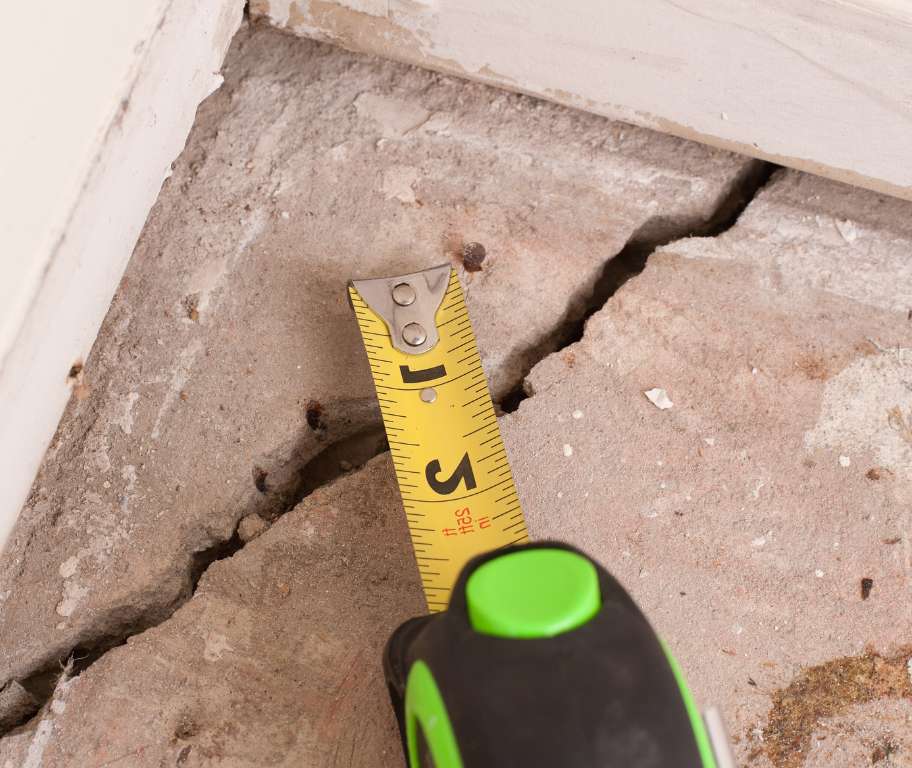
How to fix vertical concrete cracks You are inspecting your basement after Fredericton’s harsh winter, and you notice a thin vertical line running down your foundation wall. At first glance, it seems harmless. But as spring’s snowmelt arrives, you discover moisture seeping through that same crack, pooling on your basement floor. What started as a hairline fracture has become a pathway for serious water damage. Vertical concrete cracks are different beasts entirely from their horizontal counterparts. While a crack in your driveway might accept a simple self-levelling product, that same material will literally run down your basement wall before it even begins to cure. Gravity isn’t just a minor inconvenience in vertical repairs, it’s the fundamental challenge that separates successful, lasting repairs from complete failures that waste your time and money. In Atlantic Canada’s challenging climate, where temperatures swing from -25°C in January to +30°C in July, your concrete endures relentless freeze-thaw cycles. Each cycle drives water deeper into cracks, where it freezes and expands by approximately 9%. This expansion force slowly tears your concrete apart from the inside. Without proper intervention using materials and techniques specifically designed for vertical applications, these cracks progressively worsen until you’re facing structural damage that costs thousands to remediate. This guide reveals the professional-grade vertical concrete crack repair methods that Atlantic Brick and Stone has refined over 15 years of serving Fredericton homeowners and commercial property owners. You’ll discover which materials actually work on vertical surfaces, when specialized waterproofing systems are necessary, and how to distinguish between minor repairs you might tackle yourself versus situations demanding certified expertise. Most importantly, you’ll learn how to protect your property investment with repairs that actually last through Canadian winters. Vertical concrete cracks in Canadian climates Concrete in the Fredericton region faces environmental conditions that accelerate deterioration. Seasonal temperature fluctuations create a punishing cycle of contraction and expansion, stressing weaknesses and turning minor imperfections into visible cracks that grow with each season. Freeze-thaw cycling represents the most destructive force on concrete in Atlantic Canada. When water infiltrates cracks and freezes, it expands approximately 9%, generating pressure that exceeds concrete’s tensile strength. The crack widens, more water penetrates, and the cycle repeats 30 to 50 times each winter. Vertical cracks appear in several common locations: Foundation wall cracks often indicate settlement, hydrostatic pressure, or inadequate drainage Basement wall cracks may signal excessive moisture, poor construction, or structural movement Retaining wall cracks frequently result from soil pressure, poor drainage, or insufficient reinforcement The location and pattern provide diagnostic information for addressing root causes rather than cosmetic symptoms. Early spring presents the critical window for assessment. After snowmelt saturates the ground, active water infiltration becomes obvious through damp spots, efflorescence, or seepage. This reveals whether last year’s small crack has become a genuine problem. Visual inspection should measure crack width using a comparator card or ruler. Hairline cracks under 1mm may be cosmetic. Cracks between 1-3mm warrant monitoring and sealing. Anything exceeding 6mm demands professional evaluation, often indicating significant movement or failure. Look for water staining, rust deposits suggesting reinforcement corrosion, or displacement where one side sits higher. These signs elevate a crack from minor maintenance to structural concern. Pattern matters tremendously. A single vertical crack might represent normal shrinkage. Multiple interconnected cracks forming step patterns, horizontal components, or map cracking suggest serious issues like foundation failure or excessive settlement. Atlantic Brick and Stone’s certified specialists routinely assess these patterns to determine appropriate intervention. Why standard concrete repair products fail on vertical surfaces Walk into any hardware store, and you’ll find concrete repair products claiming to fix “all cracks.” What labels rarely mention is that many are formulated for horizontal surfaces and will fail on vertical walls. The fundamental challenge is gravity. Self-levelling sealants and fast-setting polyurethanes work on garage floors because gravity helps them flow into cracks. Apply that same product to a vertical wall, and it runs down in streaks, never filling the crack. You’re left with a mess on the floor and an unsealed crack still allowing water infiltration. Manufacturers state these limitations in technical sheets, though retail packaging obscures this information. Fast-setting products explicitly note “not suitable for vertical crack applications” in their documentation. Yet homeowners purchase them expecting universal application, leading to predictable failure. Rigid cementitious products represent another common mistake. Traditional concrete patching compounds create hard, inflexible repairs that seem logical. The problem emerges during seasonal temperature changes. As your foundation expands and contracts, rigid patches cannot accommodate this movement. They break loose from surrounding material, often in larger chunks than the original crack, leaving you worse off than before. Three critical properties define successful vertical crack repair materials: Non-sag viscosity ensures the material stays in place rather than flowing downward before curing Flexibility after curing allows the repair to move with seasonal concrete expansion without losing adhesion Proper adhesion to damp concrete proves necessary because vertical cracks, especially in foundations, exist in perpetually moist conditions where dry-only adhesives fail Atlantic Brick and Stone specifies professional-grade polyurethane sealants because they deliver all three requirements. The paste-like consistency resists gravity. The rubber-like texture accommodates movement. The formulation bonds effectively to damp substrates. This isn’t about expensive materials—it’s about matching product capabilities to vertical application demands. Professional-grade materials for lasting vertical crack repairs Material selection separates repairs lasting 10-20 years from those failing within months. Atlantic Brick and Stone matches specific repair systems to individual conditions through thorough crack assessment. Non-sag polyurethane sealants like Vulkem 116 serve as the industry standard for dry vertical cracks in foundations and retaining structures. These materials maintain position on vertical surfaces with thicker viscosity throughout application and curing. They achieve a flexible, rubber-like consistency accommodating ±25% movement in Canadian climates without breaking bonds. Properly applied, these sealants provide 10-20 years of service life, withstanding freeze-thaw cycles and temperature extremes from -40°C to +80°C. Standard 300ml cartridges fit professional caulking guns for precise control. Proper technique starts at the crack’s bottom, working upward to prevent air pockets, with immediate tooling for

How to Repair Concrete Garage Floors?
Uncategorized

How to Repair Concrete Garage Floors?

How to Repair Concrete Garage Floors? A concrete garage floor feels solid underfoot, yet over the years small cracks, pits, and rough patches start to show up. That first thin line across the slab might not seem like a big deal. For many homeowners, concern begins only when pieces start to chip away or the car bumps over a low spot near the door. That is where careful concrete garage floor repair makes a real difference. In New Brunswick, garages work hard. Freeze–thaw cycles, road salt, heavy vehicles, and years of use all push concrete to its limits. When cracks stay open, water slips in, freezes, and forces them wider. Spalling, pitting, and crumbling can follow. Left alone, what began as a hairline defect can lead to uneven slabs, safety hazards, and even discussion of full garage slab replacement. Most garage floors can be saved. Once the cause and type of damage are clear, it becomes much easier to repair a garage floor in a smart way. This guide walks step by step through inspection, DIY crack fillers, epoxy repair, advanced methods such as slab jacking and foam injection, and long‑term maintenance like garage floor resurfacing. With more than sixteen years of hands‑on experience around Fredericton, Atlantic Brick and Stone shares what works in this climate so a homeowner can decide when to try DIY repair and when to call a concrete specialist. By the end, you will know how to spot different damage types, how to fix garage floor cracks with the right materials, what affects garage floor crack repair cost, and how to keep a repaired floor in good shape for many years. What causes cracks and damage in concrete garage floors? Concrete looks solid, yet it moves and reacts to its environment more than most people expect. Many cracks in a garage floor start right after the pour, while others show up slowly over several winters. Understanding why damage appears helps with both repair and prevention. Common causes include: Natural shrinkage during curing – As fresh concrete dries, it loses moisture and pulls inward. This movement creates internal stress, which often shows up as fine hairline cracks. They may seem minor, yet each one can allow water and salt into the slab. Soil and base issues – If the base was not compacted well, or if drainage sends water under the slab, the ground can settle or wash away. Voids form and the concrete above drops, which leads to wider cracks or whole sections that sink. In New Brunswick clay soils, that movement can continue for years. Climate and freeze–thaw cycles – Water that seeps into even tiny gaps freezes in winter and expands, pushing cracks wider and breaking off surface layers. De‑icing salt from vehicle tires speeds up this breakdown and leads to pitting, spalling, and concrete that feels rough and brittle. Heavy loads and poor installation – Large trucks, loaded shelving, or a heavy workbench that rests on small feet all focus stress into a small area. If the slab is thin, the mix had too much water, or control joints were poorly placed, the floor responds badly to that stress. Vibration from frequent traffic and normal building settlement adds more strain. All of these causes show up on the surface in different ways, which the next section explains. How do you identify different types of garage floor damage? Not every defect means the same thing, and not every crack points to structural trouble. A quick, careful look at the floor helps sort minor cosmetic issues from damage that needs professional attention. Key damage types include: Hairline cracks – Faint, pencil‑thin lines that often cross an otherwise sound slab. They usually come from early shrinkage and often stay shallow. On their own they rarely signal major failure, yet they still act as tiny channels for water and salt. In a Canadian winter that is enough to start long‑term damage. Medium to large cracks – When a gap is as wide as a credit card or more, or when a crack seems deep, it often ties back to soil settlement, heavy loading, or movement in the foundation. If one side of the crack sits higher than the other, the slab has shifted and there is a clear sign of movement below the surface. Spalling and pitting – Spalling shows up as flaking or chipping of the top layer of concrete. The surface may look rough, with thin flakes lifting off, especially near the garage door where snow and salt drip from vehicles. Pitting appears as small round holes or shallow depressions scattered across the floor. Both conditions often trace back to freeze–thaw cycles, de‑icing chemicals, or a weak surface finish. Uneven or sunken slabs – A wheel that drops as it crosses the floor, or a visible slope toward one corner, usually means the soil below has settled or washed out. Patterns also matter. A single straight crack that follows a control joint is less worrying than a web of random cracks or several lines that grow over time. When damage looks extensive, or when cracks keep changing, a professional assessment from a team like Atlantic Brick and Stone is a wise next step. Why is it critical to repair garage floor cracks promptly? Concrete damage rarely stays frozen in time. Once a crack or surface defect appears, each freeze–thaw cycle and each season of salt and moisture adds more stress. Quick concrete garage floor repair keeps a small problem from turning into a major project. Open cracks allow water to reach the interior of the slab and even the base material below it. During winter that trapped moisture freezes and pushes the crack wider. Over several years, the surface can start to scale, pit, and crumble. At that stage, a homeowner may face not just crack repair, but full garage floor resurfacing or even garage slab replacement. Safety and use of the space suffer as well: Raised edges near cracks create trip hazards. Wheels

Masonry Lintel Repair Guide
Uncategorized

Masonry Lintel Repair Guide

Masonry Lintel Repair Guide At first glance, the rows of brick or stone around a window look solid and simple. Hidden inside that wall is a small horizontal support called a lintel, quietly carrying thousands of pounds of weight. When that support starts to fail, cracks, sticking windows, and sagging brick can follow fast. This masonry lintel repair guide explains what is happening behind those cracks and what to do before the damage spreads. Lintels sit above door and window openings and transfer the load of the wall to the masonry on each side. They can be made from steel, concrete, brick, stone, or timber, and each material reacts differently to moisture, age, and Fredericton’s freeze and thaw cycles. When a lintel weakens, bricks can shift, frames can bend, and in serious cases a section of wall can fail. Even small changes around openings are a sign that the structure deserves a closer look. Homeowners often first notice small step cracks or a bit of rust and assume it is only cosmetic. In reality, those early lintel failure signs are a warning that the structure needs attention. Dealing with the problem early is far less stressful and far less expensive than waiting until a full steel lintel replacement or major brick rebuild is needed. In the sections ahead, this masonry lintel repair guide walks through what a lintel does, how different materials fail, the warning signs to watch for, repair versus replacement options, typical lintel replacement cost ranges, and simple maintenance habits. With more than fifteen years of hands-on masonry experience across Fredericton and nearby communities, Atlantic Brick and Stone helps homeowners with professional lintel repair, careful brick matching, and clear, no-pressure advice. For anyone worried about a crack over a window or door, we also offer free estimates so the next step feels clear and manageable. What is a masonry lintel and why does it matter? A masonry lintel is a horizontal support that spans the top of an opening in a brick, block, or stone wall. It sits just above a window or door and carries the weight of everything built above that gap. Without a proper lintel, the wall would try to push straight down into the opening, which a window or door frame is not built to handle. The job of the lintel is to collect the load from the bricks or stone above and spread that weight into the solid wall on each side. When it is sized and installed correctly, the lintel keeps the wall stable and straight. It also keeps that load off the frame so windows and doors can open and close freely for decades. In many houses, the lintel hides one or two courses above the window or door, buried behind brick or stone facing. That makes it easy to forget, right up until the day the wall starts showing signs that the hidden support is in trouble. When a lintel starts to fail, the support it provides becomes uneven or disappears in the middle of the span. Bricks can begin to tilt, mortar joints can crack in a stair-step pattern, and the wall above the opening may start to sag. In extreme cases, part of the wall can separate or collapse, which turns a small crack into a serious safety risk. Lintels can also have a decorative side, especially on older homes where shaped stone, patterned brick, or soldier courses draw the eye. Even when they look decorative, they are still structural pieces that should never be ignored. If there is any doubt about how well a lintel is performing, a professional inspection is the safest way forward. Common lintel materials and their vulnerabilities Around Fredericton, many masonry openings are supported by five main lintel materials. Steel, concrete, timber, stone, and brick each respond in their own way to moisture and freeze and thaw cycles. Weather that works into the wall can weaken, crack, or rust any of them. Steel lintels are common in newer brick homes because they are strong and able to span wide windows and doors. Their main weakness is corrosion once water gets past paint or flashing. As the steel rusts it swells, a process often called rust jacking, and that expanding metal can crack mortar, push bricks outward, and create the need for sagging lintel repair or full steel lintel replacement. Concrete lintels are usually precast with steel bars buried inside. They carry heavy loads well and are fire resistant, yet they are heavy and can crack if the support underneath is uneven. When water reaches the hidden rebar it can rust and expand, breaking the concrete from the inside and leading to concrete lintel repair or replacement work. Timber lintels tend to show up in older or cottage-style homes. Wood is light and easy to work with, but it has less strength than steel or reinforced concrete and it does not tolerate long-term moisture. Rot, insect damage, and warping can all reduce its capacity long before a clear crack forms in the surrounding brick. Stone lintels are often used on heritage buildings where the look of carved stone above a window is part of the design. They can last a long time but can also be brittle, and small natural flaws may grow into cracks when the building settles or water in fine joints freezes in winter. Brick lintels use bricks to bridge small openings, sometimes with a hidden steel angle or bar taking much of the load. On their own, bricks can only carry light loads over short spans, so when mortar washes out or the hidden steel rusts, brick lintel repair often means reinforcing the visible bricks and the support behind them. Knowing which material you have is the first step toward choosing the right repair method and spotting which risks—rust, rot, or cracking—are most likely over time. Warning signs your lintel is failing Lintel problems rarely appear overnight. The wall usually shows clues before bricks become loose or a window

What Causes Concrete Pitting?
Uncategorized

What Causes Concrete Pitting?

What Causes Concrete Pitting? Picture walking across a front step or driveway in late March and noticing that the smooth concrete poured a few years ago now looks pockmarked and rough. Tiny holes, flaky patches, and loose stones catch the light and raise a frustrating question. Many property owners in New Brunswick end up asking the same thing every spring: what causes concrete pitting, and why does it seem to happen so fast? Concrete pitting and related concrete surface damage, like scaling and spalling, are very common in Fredericton’s freeze-thaw climate. The top layer of concrete starts to peel, chip, or form small craters, turning a clean slab into a patchy, worn-looking surface. At first it may seem cosmetic, but over time those concrete surface holes can grow deeper, leading to larger chunks breaking away and even creating safety issues. Behind that damage there is usually a mix of causes. Weather, deicing salts, concrete mix quality, and installation practices all play a part. New concrete problems can show up in only a winter or two if the wrong mix was used or the base was not prepared properly. Understanding these concrete deterioration causes is the first step toward concrete pitting prevention and long-lasting repair. Atlantic Brick and Stone has been helping Fredericton homeowners, commercial property managers, and heritage building owners deal with concrete surface defects for more than 15 years. In this guide, you will see how concrete pitting starts, what really causes it, how to assess the damage, and which repair options make sense. You will also see where simple maintenance is enough and when it is time to call the Atlantic Brick and Stone team for a free assessment and professional plan for fixing pitted concrete. What is concrete pitting and how does it appear? Concrete pitting is the formation of small holes or depressions in the surface of a slab. These pits can be just a few millimetres across or large enough to catch a shoe heel or snow shovel. They often appear alongside other concrete surface damage, such as flaking and thin chips coming off the top layer. Pitting is closely related to scaling, which is the gradual loss of the surface layer of concrete. As scaling progresses, the smooth paste at the top wears away and exposes the coarse aggregate, the small stones inside the mix. That is why a damaged concrete driveway or patio often looks patchy and speckled, with rough stones showing through in certain spots while other areas are still smooth. Homeowners should watch for: Shallow peeling or “shelling” of the surface Thin flakes breaking off the top layer Scattered stones appearing on top of the slab Small concrete surface holes that grow from season to season Over time, these spots can deepen into visible craters and larger voids. Driveways, concrete walkways, patios, front steps, and garage floors are the most common places to see this kind of wear because they take the heaviest traffic and weather. Catching pitting early makes repairing the concrete surface easier and less expensive, which is why Atlantic Brick and Stone offers free assessments and pit depth measurements before the damage spreads. The primary environmental causes of concrete pitting Freeze-thaw cycles and how they destroy concrete surfaces Concrete may feel solid, but at a microscopic level it is full of tiny pores and capillaries. Water from rain, melting snow, or slush seeps into these spaces and sits just below the surface. In Fredericton, where temperatures often move above and below zero in the same week, this moisture becomes a major source of concrete freeze-thaw damage. Here is what happens during a typical cycle: Water soaks into the pores near the surface. Temperatures drop below freezing. Water turns to ice and expands by about nine percent. That expansion creates pressure inside the cement paste. Repeated cycles cause the surface to weaken and break apart. On a single night this might not do much, but over dozens of freeze-thaw cycles each winter, the pressure repeatedly pushes against the surface layer and weakens it. As the surface weakens, it starts to break apart in thin sheets or chips, and small pits form where the paste has been pushed out. This process is a major reason for concrete scaling problems and is one of the most common concrete deterioration causes in our climate. Slabs that do not drain properly, or that have low spots where water pools, are hit harder because they stay wet longer. During a concrete evaluation, Atlantic Brick and Stone always checks slope, drainage patterns, and nearby downspouts to see whether water management is adding to the pitting. The damaging effects of deicing salts and chemicals Deicing salts and chemicals are another major cause of concrete surface damage. Rock salt, or sodium chloride, is widely used on driveways and walkways, but it is hard on concrete. These products lower the freezing point of water on the surface, which may sound helpful for ice control but also increases the number of freeze-thaw cycles the concrete goes through. Salts are hygroscopic, which means they pull moisture toward them and hold it. When salt is spread on a slab, more water is drawn into the concrete’s pores and stays there longer. That extra moisture gives freeze-thaw action more material to work with, which speeds up the breakdown of the cement paste and leads to more pits and flakes. Over time, some deicing chemicals also react with the cement itself and weaken the surface, adding chemical attack on top of mechanical damage. The combination of: More moisture entering the slab More frequent freeze-thaw cycling Direct chemical softening of the surface creates a perfect recipe for concrete pitting and spalling. Safer options include concrete-friendly products such as calcium magnesium acetate for melting, and sand for traction. Atlantic Brick and Stone regularly advises clients to limit salt use on new and existing slabs and to rinse away salt residue during mild spells to reduce long-term damage. Installation and material deficiencies that lead to

What causes efflorescence on brick
Uncategorized

What Causes Efflorescence on Brick

What Causes Efflorescence on Brick Many brick owners first notice a problem on a wet spring morning. After the rain dries and sun appears, the lower part of a brick wall looks dusted with flour. That white powder on bricks brushes off easily, and new white stains on brickwork return after the next wet spell. Those chalky patches are called efflorescence—crystalline salt deposits that form on brick, block, and concrete. Many search online for what causes efflorescence on brick hoping it is only surface staining. While it looks minor, it always signals moisture in brick walls moving where it should not. In Fredericton’s climate, with heavy rain, snow melt, and strong freeze–thaw cycles, brick efflorescence is common. The salt itself is harmless, but warns that water is travelling through your masonry. Left unchecked, that water can cause spalling brick, crumbling mortar, damp basements, and interior mould. Understanding what causes efflorescence on brick matters for both appearance and structure. Atlantic Brick and Stone has spent over 15 years working on brick, stone, and concrete across Fredericton and nearby communities. Our team sees efflorescence weekly on everything from older foundations to new veneer walls. This article explains what those white marks on bricks mean, the conditions that create them, common moisture sources, and how we address both the stain and root cause. By the end, you will be able to: recognize early signs of brick turning white connect those signs to likely moisture sources decide when to call a professional such as Atlantic Brick and Stone What is efflorescence? Efflorescence is the name for the crystalline deposits on masonry that show up as white, chalky, or powdery patches on brick, block, or concrete. Sometimes the salts look like a thin film. Other times they grow as tiny whiskers or a crusty build‑up. Whether the wall is red brick, stone, or grey concrete, the deposit itself is usually white and easy to smear with a finger. Chemically, efflorescence comes from water‑soluble salts that are already in the masonry. Common ones include calcium sulphate, sodium sulphate, potassium sulphate, and calcium carbonate. These minerals can be in the brick clay, the Portland cement in mortar, the sand and aggregate, or even in surrounding soil. On their own, while the wall stays dry, these salts sit quietly inside the material and do nothing. Brick and mortar are full of tiny pores and channels, almost like a sponge made of stone. This is why masonry can soak up water and why moisture in brick walls can travel quite far. When water gets into the wall, it dissolves the salts and turns them into a salty solution. That solution moves through those pores toward the nearest drying surface; most often, that means the outside face of the wall. At the surface, the water meets the air and evaporates. The salts cannot evaporate, so they stay behind as brick salt deposits. That is the white film people see when they ask what causes efflorescence on brick in the first place. Because this movement depends on moisture, efflorescence is often heaviest after a period of rain followed by a dry, sunny day. Efflorescence is often confused with mould or paint residue. A simple test helps tell it apart: If a little white powder fizzes when a few drops of vinegar touch it, it is almost certainly mineral salt. Mould does not fizz and will smear or stain instead. Atlantic Brick and Stone often starts with quick checks like this before planning any efflorescence removal or repair work. There are two broad types of efflorescence. Primary efflorescence is common on new walls as construction moisture dries out. Secondary, or recurring, efflorescence shows up later in the building life and points to an ongoing water source. In both cases, the white deposit itself is not the main issue. It is the sign that water is moving through your brickwork. The three essential conditions required for efflorescence formation Efflorescence on brick does not just appear at random. Three things must happen at the same time for those white stains on brickwork to show up: there must be salts inside the masonry there must be enough water to dissolve and move them there must be a way for that water to reach a drying surface where it can evaporate If any one of these three parts is missing, there will be no visible brick efflorescence. Understanding this three‑part pattern is very helpful when trying to answer what causes efflorescence on brick on a specific house or building. Homeowners and property managers can rarely control the salts that are already in older masonry, but they can control moisture and evaporation paths. That is why Atlantic Brick and Stone always looks closely at these three conditions during an inspection. Presence of water-soluble salts in masonry materials Every brick wall contains some amount of mineral salt. The clay used to form bricks often carries calcium, sodium, potassium, and magnesium compounds. Portland cement in mortar and concrete adds more sulphates and carbonates. Even the sand and stone used in mixes can come with their own natural salts, depending on the source. These salts do not cause white powder on bricks until they meet water. Dry bricks can hold a fairly high salt content while still looking perfectly clean. The salts stay “locked” inside the structure of the brick or mortar and do not move very far. Once moisture reaches them, though, they can dissolve into a solution and start to migrate. Salt content can differ from one brick manufacturer to another. Mortar recipes and concrete mixes also vary in how much soluble salt they contain. In some areas, local aggregates add more salts to the mix. Atlantic Brick and Stone takes this into account on new projects, choosing quality bricks and low‑salt mortar and concrete mixes whenever possible. That choice cannot remove efflorescence risk completely, but it does lower the amount of material available for future brick salt deposits. Sufficient moisture to dissolve and transport the salts

How Often to Clean Chimney
Uncategorized

How Often to Clean Chimney

How Often to Clean Chimney A quiet winter night, a crackling fire, and a warm living room can hide a serious risk in the walls above the flames. The question of how often to clean chimney is not just about keeping things tidy. It is about preventing chimney fires and carbon monoxide from entering the home. Many property owners assume an occasional sweep is enough, or that a chimney that “looks fine” must be safe. In reality, every fire leaves residue behind, and over time that residue builds into a real hazard. The National Fire Code of Canada warns that only a few millimetres of creosote can be enough to start a dangerous fire inside the flue. Atlantic Brick and Stone has spent more than 15 years helping Fredericton homeowners, building owners, and contractors keep their chimneys safe and structurally sound. This guide explains how often to schedule fireplace chimney cleaning, how usage and fuel type affect your chimney cleaning schedule, what warning signs to watch for, and how professional inspection and repair fit into overall chimney safety. By the end, it will be clear when to clean a chimney yourself, when to call a professional chimney sweep, and how Atlantic Brick and Stone can help keep your system in safe working order. Why chimney cleaning is essential for home safety? Every time wood burns, it releases smoke, vapour, and tiny particles that rise into the chimney. As these gases cool, they stick to the inner walls and form creosote, a black or brown residue that can be flaky, sticky, or shiny. This material is highly flammable, and once it reaches about 3 millimetres in thickness, the National Fire Code of Canada treats it as a serious fire risk. When creosote ignites, the fire races up the chimney like a blowtorch. Temperatures can climb high enough to crack tiles, damage stainless liners, and even allow flames to reach nearby framing in the attic or walls. What starts as a small wood fire in the living room can become a full structural fire in minutes if the flue is coated with heavy buildup. A dirty or blocked chimney also raises the risk of carbon monoxide entering living spaces. If the flue is narrowed by creosote, animal nests, or debris, smoke and gases can spill back into the room instead of venting outside. Carbon monoxide is colourless and odourless, so a working detector is non‑negotiable for any fuel‑burning appliance. Regular chimney safety inspection and creosote removal reduce these risks, and professional inspection from a company like Atlantic Brick and Stone also reveals cracks, loose masonry, and liner problems that threaten long‑term safety. Recommended chimney cleaning frequency by appliance type Homeowners should schedule a professional chimney sweep for chimney inspection and cleaning at least once yearly for solid-fuel appliances. This annual cleaning ensures safety before each heating season and is necessary even for occasional use, as creosote accumulates, animals nest in idle chimneys, and debris builds up. While gas fireplaces produce less soot, they still require annual gas fireplace chimney maintenance. Moisture from gas appliances can corrode liners and metal components over time. Yearly inspections verify the venting system is clear, the liner is intact, and no condensation damage exists. The ideal chimney sweeping frequency varies based on actual usage patterns. Heavy wood burning, occasional fires, and daily gas inserts each place different demands on a chimney. Understanding your specific appliance type and usage helps create an appropriate fireplace service schedule for your home’s needs. For quick reference: Wood stoves and inserts used as primary heat: inspect and clean at least once a year, often twice. Open fireplaces used regularly: clean every two years, with inspection every year. Occasional‑use fireplaces: cleaning every three to four years, with annual inspection. Gas fireplaces and gas inserts: annual inspection with cleaning every two to three years, depending on use and design. Wood stoves and fireplace inserts Wood stoves and fireplace inserts often do the hardest work in a house. Many Fredericton homeowners rely on them as a main or backup heat source through long winters. That steady burn means creosote can appear quickly, so these systems always need at least one professional chimney sweep visit every year. If the stove or insert runs most days during the heating season, a single annual cleaning may not be enough. In high‑use houses, a mid‑season cleaning in January or February is often wise. This keeps creosote under control and lowers the chance of a chimney fire during the coldest months, when the stove is working the hardest. Wood burning fireplace maintenance for stoves and inserts should always include a close look at the liner. Atlantic Brick and Stone can inspect, clean, and repair liners, checking for cracks, gaps, or corrosion that a basic sweep might miss. That combination of fireplace chimney cleaning and structural review provides much stronger protection than a quick brush‑out alone. Open fireplaces based on usage Open fireplaces tend to burn less intensely than stoves, but they still leave soot and creosote behind. For a fireplace that sees regular use, such as several evenings a week through winter, a cleaning every two years is a good target. That schedule keeps creosote layers thin enough that they do not reach the danger level between visits. “Occasional use” usually means a few fires a month, or mostly holiday and special‑event fires. In that case, cleaning every three to four years is usually enough, as long as an annual chimney inspection still takes place. That inspection checks for animal nests, falling tiles, and moisture damage that may have nothing to do with how often you burn. Even a fireplace that never gets used still needs attention. Unused chimneys often collect birds’ nests, wasp nests, and wind‑blown debris. Damp conditions can also lead to mould and strong odours. Atlantic Brick and Stone’s inspection services help catch these problems early, recommending fireplace maintenance or light cleaning every three to four years so the chimney is ready whenever you decide to

How to Waterproof a Concrete Foundation
Uncategorized

How to Waterproof a Concrete Foundation?

How to Waterproof a Concrete Foundation? A hairline crack in a basement wall can seem harmless, right up until the day water squirts through it in a spring thaw. Many homeowners only start asking how to waterproof a concrete foundation after they smell musty odours or see boxes ruined on the floor. By that point, water has already crept through the concrete, and the damage has started. In the Fredericton area, concrete foundations face a tough mix of freeze–thaw cycles, heavy rain, and long periods of snowmelt. Water in the soil presses against basement walls, then freezes, then thaws again. That repeated pressure opens small gaps, lets more water in, and can weaken the structure over time. Left alone, it leads to mould, flaking concrete, and even bowing walls. Waterproofing is not an upgrade for later. For most homes, it is a basic part of protecting structure, indoor air quality, and property value. New builds need proper exterior foundation waterproofing from day one. Older homes often need a repair plan that can include exterior work, interior foundation waterproofing, drainage upgrades, and targeted foundation crack repair. This guide walks through what matters most. It explains the difference between waterproofing and dampproofing, covers the main basement waterproofing methods, shows how professionals install modern systems step by step, and points out when a DIY patch is not enough. With more than 15 years in foundation repair around Fredericton, Atlantic Brick and Stone uses these same methods every day, so by the end of this guide, it will be clear what your foundation needs and what to ask for when you call in help. Waterproofing vs. dampproofing – what your foundation really needs? When people first look into how to waterproof a concrete foundation, they often run into the words waterproofing and dampproofing and assume they are the same. They are not. Each one handles a different problem, and choosing the wrong one can leave a basement wet even after work is done. What is dampproofing? Dampproofing is a thin coating, usually asphalt based, brushed or sprayed onto the outside of a wall. It slows down moisture vapour that moves through soil and concrete. It works reasonably well in dry soil with good natural drainage. What it does not handle is actual water pressure that builds up against the wall after heavy rain or snowmelt. What is waterproofing? Waterproofing is a thicker barrier system that is designed to resist water under pressure. It often uses a self-adhered or liquid membrane, plus drainage components, to stop water from pushing through concrete or block. When water fills the soil around a house, it creates hydrostatic pressure, which is the force that pushes water into every small opening. Proper waterproofing is built to withstand that pressure over many years. In low-risk areas with sandy soil and very shallow basements, dampproofing and good grading may be enough. In Fredericton and nearby communities, with finished basements, clay soils in many neighbourhoods, and long wet seasons, full waterproofing is the safer choice. Positive-side waterproofing, done on the exterior face of the wall, is the current standard for long-term basement moisture prevention. Why exterior waterproofing is the most effective solution When learning how to waterproof a concrete foundation, it helps to picture where the water actually is. The source is outside in the soil, so the most effective defence goes on the outside face of the wall. This is called positive-side waterproofing, because it is applied on the side that sees water pressure. An exterior waterproofing system includes a membrane on the wall and drainage at the footing. Hydrostatic pressure in the soil pushes that membrane firmly against the concrete. Instead of fighting the pressure, the system uses it to keep the barrier tight. The concrete stays dry, reinforcing steel inside the wall stays protected from rust, and freeze–thaw cycles have less effect. Interior methods work on the negative side, after water has already passed through the wall. Interior drains and sump pumps do a good job of collecting and redirecting that water, but the concrete still gets wet. Over many years, that can lead to spalling, crumbling mortar, and damage to finishes such as drywall and flooring. Exterior foundation waterproofing does involve excavation, so it is more involved at the start. The payoff is that it addresses the source of the problem instead of just catching water inside. Atlantic Brick and Stone designs both exterior and interior systems and can recommend the right combination for each property after a diagnostic inspection. Primary methods and materials for concrete foundation waterproofing There is more than one way to waterproof a concrete wall, but modern systems share a few key parts. A membrane blocks water at the wall, protection layers shield that membrane, and drainage components move water away. Knowing these parts helps when comparing quotes or discussing waterproofing membrane installation with a contractor. Sheet-applied waterproofing membranes Sheet-applied membranes are common on poured concrete and block foundations around Fredericton. These products are usually made from rubberized asphalt or modified bitumen, bonded to a plastic film. Installers first apply a primer, then roll the self-adhered sheets onto the wall so they overlap and form a continuous skin. Factory control gives each sheet a consistent thickness, which means reliable performance over the whole wall. These membranes bridge small cracks, stand up to the impact of backfilling, and handle slight movement in the structure. When installed correctly, they help waterproof basement block walls, poured walls, and even short foundation sections under additions. Liquid-applied waterproofing membranes Liquid-applied membranes are sprayed, rolled, or trowelled onto the foundation. After curing, they form a seamless, rubber-like coating that sticks tightly to the wall. Because there are no seams, there are fewer weak spots where water might sneak in. These membranes are especially useful on foundations with lots of corners, curves, or pipe penetrations. The liquid follows every contour and hardens into a smooth, continuous layer. The flexibility of the cured material lets it stretch slightly if hairline cracks form

What Is Repointing Brick
Uncategorized

What Is Repointing Brick? A Homeowner’s Guide

What Is Repointing Brick? A Homeowner’s Guide You walk around your house one spring and notice hairline cracks and little piles of sandy mortar under your brick wall. The bricks still look fine, but the grey lines between them seem tired and weak. Many homeowners start searching what is repointing brick at this moment, worried about leaks, drafts, or bigger structural issues. Brick can last for generations. The mortar between each unit is different. It behaves like a cushion or gasket, taking more abuse from rain, snow, and temperature swings, and it wears out first. That wear is normal. It simply means the joints need attention through masonry repointing before damage spreads. Repointing renews those tired joints so your walls stay strong, dry, and good‑looking. This matters even more around Fredericton, where freeze‑thaw cycles and heavy snow are hard on unprotected masonry. This guide explains what repointing is, why mortar fails, the signs your home needs brick pointing repair, how the process works, what affects cost, how it compares to tuckpointing, and why skilled work matters. You will also see how Atlantic Brick and Stone, with over 15+ years of local masonry experience, helps homeowners across Fredericton and nearby communities protect and restore their properties. What is repointing brick? When people ask what is repointing brick, they mean a very specific kind of mortar repair. Repointing is the careful removal of damaged mortar from the joints between bricks, followed by packing those joints with fresh mortar that closely matches the original. The work focuses on the exposed outer part of the joint, where weather hits hardest. This is not a quick cosmetic touch‑up. Proper brick repointing is a structural repair. Mortar acts as the glue that ties the wall together and as the first barrier against water. Once it fails, moisture seeps into tiny gaps, freezes, and starts to push bricks apart. Repointing stops that cycle and restores strength. Think of a brick wall as a grid: bricks are the blocks, mortar joints are the lines. Repointing repairs those lines and usually leaves the bricks themselves in place. If bricks are badly damaged, that is a separate task called brick replacement, often done alongside brick joint repair. In a correct brick mortar replacement, the mason removes loose mortar to a set depth, cleans and dampens the joints, then presses in new mortar in thin layers. The mix is chosen to bond well, shed water, and match the wall’s colour and texture. Done properly with the right materials, fresh pointing can last several decades. Atlantic Brick and Stone approaches every repointing project with that long view in mind, using mortar suited to the age and type of brick rather than a one‑mix‑fits‑all approach. That care helps repairs stand up to Fredericton weather for many winters. Why brick mortar deteriorates over time Mortar is meant to be slightly softer than the bricks or stones around it. That way, it absorbs movement and weather, sacrificing itself instead of the bricks cracking. Over time, this sacrificial material breaks down and needs masonry repointing. Major causes include: Weather: Water seeps into hairline cracks, then freezes and expands. Repeated freeze‑thaw cycles slowly force mortar grains apart, just like winter creates potholes. Movement: Foundations settle and framing shifts. Even small building movements can stress mortar joints, especially near corners and openings. Sun and temperature swings: Heat and UV light dry and shrink the surface, then cooler nights make it contract again. That constant cycle weakens already tired joints. Human factors: Mortar mixed poorly, packed too quickly, or chosen in the wrong type for the brick (for example, very hard cement mixes on soft historic bricks) can fail sooner than expected. Repointing is a normal part of brick wall maintenance, not a sign of bad construction. The key is timing: catching worn joints early with brick pointing repair is far cheaper than fixing loose bricks, leaks, or bulging walls later. Signs your home needs brick repointing A slow walk around your home a few times a year is often enough to spot trouble early. Knowing what to look for is just as important as asking what is repointing brickwork. Crumbling or powdery mortar Gently scrape a mortar joint with a key or even your fingernail. If it sands away easily, feels soft, or falls out as powder, it has lost much of its strength. This crumbling brick mortar usually appears first on the most exposed faces and is an early sign that masonry repointing is needed. Visible cracks in mortar joints Thin hairline cracks or wider gaps that run along or across joints give water a direct path into the wall. Stair‑step cracks that zigzag up through the joints, especially near corners or windows, can point to movement or stress in the structure. Any visible cracking in mortar should be taken seriously and investigated. Missing mortar or gaps Sometimes material is not just cracked; it is gone. You might see: Small holes in the joints Recessed seams that look deeper than others Long gaps where you can see farther into the wall These empty mortar joints need repair let more water reach the bricks and the inner structure, weakening the assembly. When gaps are widespread, brick mortar replacement is overdue. Loose or wobbly bricks If a brick can be moved by hand or feels loose when pressed, the surrounding mortar has failed. Loose brick wall problems are a safety concern, especially high on walls or around chimneys, and they place extra stress on nearby joints. At this stage, prompt brick joint repair by a professional mason is important for both safety and stability. Damp patches or interior moisture Mortar failure often shows indoors first. Watch for: Damp spots on interior plaster or drywall Peeling paint near exterior walls Mould in corners or around window heads These can all signal water travelling through worn mortar joints from outside. If interior moisture lines up with exterior brickwork, a closer look and possible exterior brick repair are wise. Bulging, bowing,

Winterizing Masonry Structure in Fredericton
Uncategorized

Winterizing Masonry Structure in Fredericton

Winterizing Masonry Structure in Fredericton The first hard freeze rarely gives much warning. One day the patio looks fine; the next, a hairline crack is wider. Water has been slipping into tiny gaps in brick, stone, and concrete and pushing them apart. Without winterizing masonry before this happens, quiet damage can turn into a major repair bill by spring. Masonry feels solid and permanent, yet it is full of tiny pores. When water seeps in and freezes, it expands and forces those pores open even more. Each freeze–thaw cycle widens cracks, weakens mortar, and makes surfaces more likely to flake and crumble. Skipping pre-winter maintenance often means paying far more for major repairs once the snow melts. At Atlantic Brick and Stone, we see the results of harsh New Brunswick winters every year. With more than fifteen years of hands-on experience, we help property owners protect and repair brick, stone, and concrete before cold weather takes over. This guide shares practical tips on winterizing masonry structures, from simple checks a homeowner can handle to expert work that needs a mason, so you know what to look for, what to fix now, and when to call our team. Winter’s impact on masonry structures When we talk with homeowners about winter damage, the freeze–thaw cycle is always at the center. Masonry has countless tiny openings that water can enter. Once temperatures drop below freezing, that water turns to ice, expands by about nine percent, and presses outward from inside the brick, stone, or concrete. This does not happen just once a season. In much of New Brunswick and the northern United States, temperatures move above and below freezing many times. With each swing, more water seeps in, freezes, and expands. Over time this leads to flaking surfaces on brick or stone, known as spalling, wider cracks, and mortar joints that crumble. Ignored long enough, steps and walkways can even shift. De-icing chemicals add stress. Traditional rock salt is especially hard on masonry. It can react with concrete and mortar, speed up surface breakdown, and leave stains on brick and stone. When salt-soaked water penetrates the surface and then freezes, it can cause deeper damage than plain water alone. Poor drainage makes everything worse. If water pools near foundations, retaining walls, or the base of steps, the masonry stays saturated for long periods. A soaked wall holds far more water that can freeze from the inside. We often see this on patios, driveways, and walks where grading is poor or downspouts discharge too close to masonry. Some elements take most of the abuse: exterior steps, paver patios, driveways, retaining walls, chimneys, and exposed facades. At Atlantic Brick and Stone, we regularly repair broken step corners, leaning walls, and chimney crowns split wide open after only a few harsh winters. In nearly every case, small cracks were present years earlier and could have been handled quickly with a simple repair. How to conduct pre winter masonry inspection The best time to protect masonry is before the first deep freeze, when temperatures are cool but not bitter. Pick a dry, bright day in late fall and walk your property slowly. The goal is to spot anything that lets water in or suggests movement or settling. As you walk, focus on these areas: Paver patios and driveways: Look for pavers that rock underfoot, dips that hold water, or spots where sand has washed from the joints. Pay attention to any cracked, chipped, or heaved areas, especially where a car or heavy grill has created ruts or low spots. Walkways and steps: Check for cracks running across a slab or along its edge. Crumbling corners, flaked surfaces, and uneven treads are signs of stress inside the concrete or stone. Retaining walls: Stand back and look for leaning or bulging, which may show that soil pressure or water buildup is pushing behind the wall. Then check individual blocks or stones for opened mortar or shifted units. Horizontal cracks are a serious warning. House facades, chimneys, and garden walls: Look for missing mortar, stair-step cracks, dark stains that suggest moisture, and white powder known as efflorescence. Whenever you see long cracks, loose bricks, or a chimney crown that is already broken, it is time to bring in a mason. During an Atlantic Brick and Stone inspection we look beyond surface issues and often find hidden weaknesses. Caught early, these problems usually stay small and far less expensive. Essential Repairs Before the First Freeze Once weak spots are found, repairs should come before winter takes hold. Even hairline cracks that seem harmless can grow fast once water freezes inside them. Every small gap is a doorway for moisture. Common pre-winter masonry repairs include: Concrete crack repair: Cracks should be cleaned and filled with a high-quality crack sealant to form a flexible, watertight joint. Repointing brick and stone: Damaged mortar is removed and replaced with fresh mortar to restore strength and block water. Restoring paver joints: Old joint sand is removed and replaced with polymeric sand, which hardens and locks pavers together. Chimney and foundation repairs: Cracked crowns, flashing gaps, and foundation cracks must be sealed before freeze–thaw cycles worsen them. Historic masonry care: Older masonry requires softer, matching mortars to protect original materials. Across all masonry repair types, we use quality materials and proven methods backed with warranties. Professional sealing and waterproofing strategies Sealing is one of the most effective ways to protect masonry from winter moisture. For most exterior brick, stone, and concrete, a penetrating sealer is the best choice. These products soak in and create a water-repellent barrier inside the material. Film-forming sealers, which leave a visible layer, can peel or trap water beneath them, causing more harm than good on exterior surfaces. Surfaces that benefit most from sealing include patios, driveways, walkways, steps, stone veneer, and retaining walls. In freeze–thaw climates, resealing every two to three years is recommended. Surfaces must be thoroughly cleaned and fully dry before sealing. Weather conditions matter. The best results come

How to fix stone wall cladding?
Uncategorized

How to Fix Stone Wall Cladding?

How to Fix Stone Wall Cladding? A damaged stone wall doesn’t mean you need a full rebuild. With the right approach, you can restore strength and beauty in just a few careful steps. Homeowners often dread the thought of repairs due to worries about costs and the complexity of the process, but neglecting these issues can lead to larger problems in future. In this article, we’ll guide you through the process of fixing stone wall cladding, starting from identifying underlying issues to performing effective repairs. You’ll leave equipped with practical knowledge that can help maintain the integrity and aesthetics of your stone walls. Reasons behind stone wall cladding damage Your stone wall cladding faces several enemies that can damage the stone over time. Freeze-thaw cycles pose the biggest threat to natural stone surfaces. When water seeps into tiny cracks and freezes, it expands dramatically, creating immense pressure that splits your beautiful stonework. Moisture problems cause the most headaches for any homeowner dealing with stone walls. Leaky gutters and blocked drainage allow water to penetrate behind your stone cladding installation. This constant wetness weakens the adhesive bond and creates perfect conditions for mold growth in damp or shaded areas. You will often spot efflorescence as white, chalky deposits on your natural stone wall surfaces. These salt stains signal that moisture is penetrating your wall system. The cleaner you use regularly can help, but addressing the root cause prevents water damage and protects your investment’s long-lasting durability. How to diagnose stone cladding issues? Start your inspection by walking around your stone wall cladding with a keen eye. Look for obvious cracks, loose stones, or gaps where the natural stone has separated from the wall. Pay special attention to corners and areas around windows where water damage typically begins. Use a moisture meter to check for hidden water problems behind your stone veneer. Tap gently on suspected areas; hollow sounds indicate the adhesive has failed. Check mortar joints carefully, as deteriorated grout allows moisture penetration that weakens your entire stone cladding installation. Assess whether damage affects just the surface or goes deeper into the structure. Minor surface issues like staining or small cracks are perfect for DIY stone wall repair techniques. However, if large sections feel loose or you notice significant structural movement, contact a professional before attempting repairs with trowel and sealer. How to repair stone wall cladding? Prepare for the repairs Before you begin any stone wall cladding repair work, thorough cleaning is absolutely essential. Remove all dirt, moss, and failed adhesive from the back of the stone using a stiff brush. A quality cleaner helps dissolve stubborn buildup that could prevent proper bonding with your new materials. Pressure wash your natural stone walls to eliminate deep-seated debris and loose particles. Allow the stone cladding to dry completely; wet surfaces prevent adhesive from creating strong bonds. Use a soft brush for delicate natural stone surfaces that might damage under high pressure washing. Safety comes first when working with stone walls and chemical products. Wear protective eyewear, gloves, and dust masks during preparation work. Keep your trowel and other tools clean throughout the process. Proper preparation ensures your sealer and new adhesive will create lasting repairs that protect your stone veneer investment for years ahead. Choose the right adhesives Choose cement-based adhesives specifically made for stone wall cladding projects rather than regular household glues. These specialized products bond perfectly with porous natural stone and handle outdoor weather conditions. Your stone cladding needs adhesives that can flex with temperature changes while maintaining strong attachment to the substrate. Construction adhesives designed for masonry work outperform general-purpose options because they’re formulated for stone veneer applications. They penetrate deeper into absorbent surfaces and create waterproof seals that prevent moisture damage. This prevents future separation between your stone walls and the underlying structure. Gather essential tools before starting your repair project. You will need a quality trowel for spreading adhesive evenly, mixing equipment for cement-based products, and possibly scaffolding for higher stone wall areas. Don’t forget sealer for finishing touches that protect your newly repaired natural stone cladding from weather damage. 5 important steps to repair wall cladding Clean stone wall cladding thoroughly, inspect damage areas, and remove all loose debris before applying any adhesive materials. Apply cement-based adhesive evenly with a trowel, ensuring complete coverage between natural stone and substrate for optimal bonding strength. Align stone cladding carefully, maintain consistent gaps, and fill cracks with appropriate sealer to prevent future moisture infiltration issues. Press stone veneer firmly into place, check alignment twice, and remove excess adhesive immediately for a clean professional appearance. Allow proper curing time in suitable weather conditions, typically 24-48 hours before applying the final sealer to stone walls. Post repair maintenance Apply a high-quality stone sealer once your adhesive has fully cured to protect against weather damage. This creates a barrier that prevents water penetration and extends the lifespan of your stone wall cladding. Choose sealers specifically designed for natural stone to maintain breathability while blocking moisture. Inspect joint areas and repoint where necessary using appropriate mortar for stone veneer applications. Check that all stone pieces sit flush against the substrate without gaps or movement. Test the repair by gently pressing each stone to ensure secure attachment. Conduct a final walkthrough to verify your stone cladding repair meets professional standards. Look for consistent alignment, proper sealing, and no visible adhesive residue on stone surfaces. Tips to prevent future damage? Install proper drainage systems around stone walls and regularly clear weep holes to prevent water accumulation behind cladding. Remove debris, leaves, and dirt from stone surfaces promptly to avoid moisture trapping that leads to deterioration issues. Apply weatherproof sealers every 2-3 years and inspect for developing cracks or gaps that allow water penetration regularly. Schedule bi-annual inspections of stone cladding to identify early signs of loose stones, efflorescence, or structural movement problems. Maintain consistent joint pointing and immediately address small cracks before they expand into major structural repair requirements. Get lasting stone cladding

GET STARTED

START MASONRY PROJECT THE RIGHT WAY

Create stunning structures with our residential and commercial masonry services in Fredericton. From meticulous designs to the completed build, our process is professional and rewarding, and we can’t wait to build your dream with you.

Atlantic Brick and Stone, one of the best masonry contractors in Fredericton, NB

Contact

8 Muskie Street, Lower Kingsclear, New Brunswick E3E 0E7, Canada

Scroll to Top