Benefits of Choosing to Resurface Concrete Steps with Stone
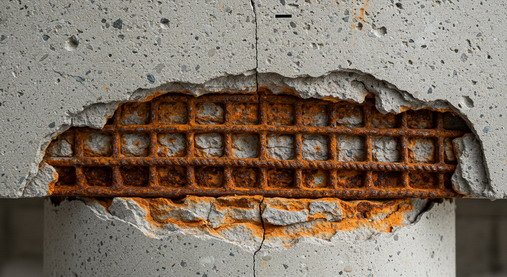
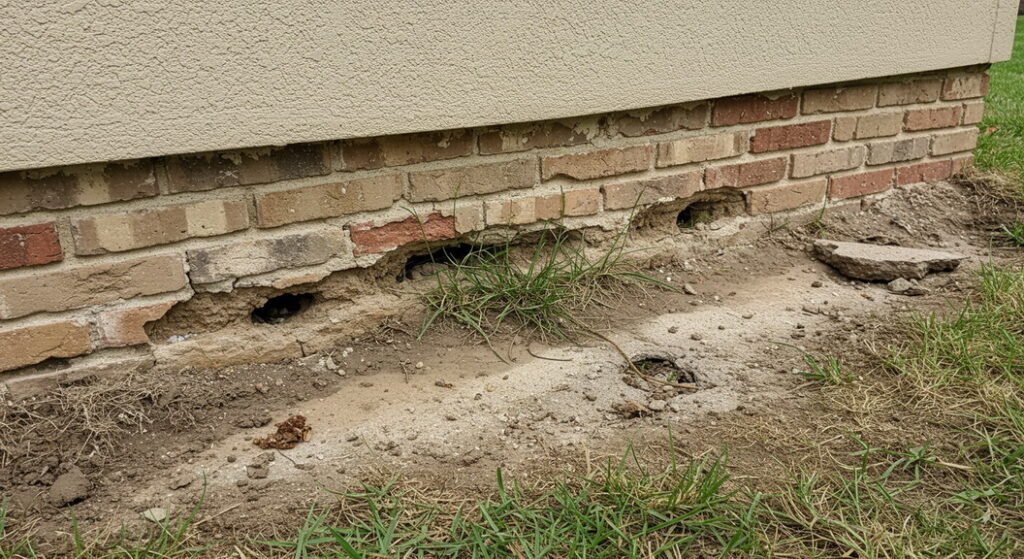
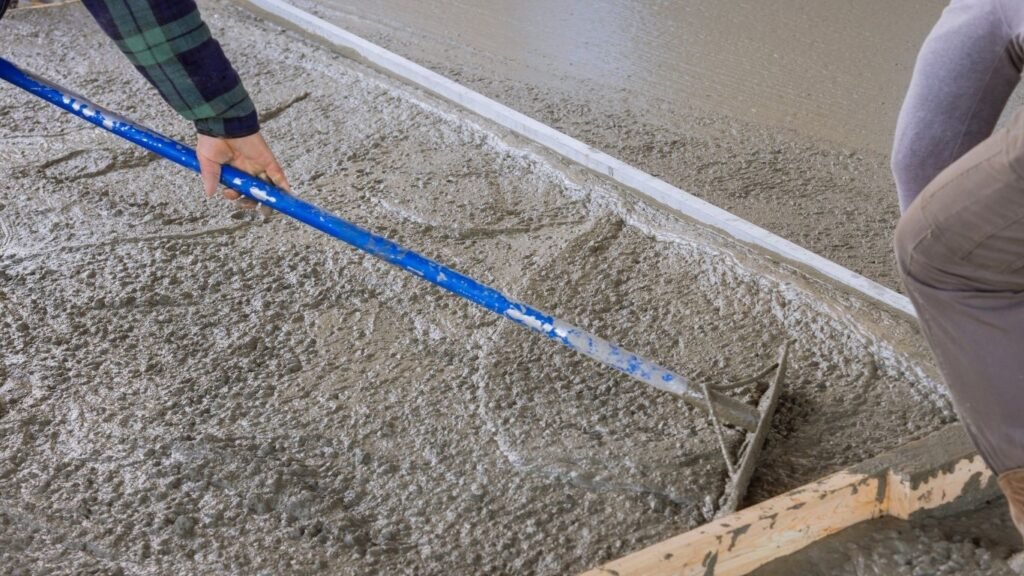
Benefits of Choosing to Resurface Concrete Steps with Stone Worn, cracked concrete steps can diminish a home’s first impression. Rather than costly replacements, stone resurfacing offers a transformative solution. This method breathes new life into tired steps, blending the enduring beauty of natural stone with the existing concrete structure. It’s a practical, aesthetically pleasing approach that elevates curb appeal and adds lasting value. Can concrete steps be resurfaced with stones? Stone resurfacing offers a beautiful and durable solution. This upgrade can breathe new life into worn-out steps while adding natural elegance to your home’s entrance. The process begins with thorough preparation. Your existing concrete steps need proper cleaning and surface roughening to ensure strong adhesion. This crucial step creates the foundation for lasting results. The installation involves applying a mortar bed and carefully placing stones. Each stone is precisely positioned to create an appealing pattern. Once set, grout fills the spaces between stones, binding everything together. Proper curing time is essential for durability. When done correctly, stone-resurfaced steps provide both aesthetic appeal and long-lasting functionality, making them a worthwhile investment for your home. Why you should resurface concrete steps with stone? Aesthetic enhancement When you resurface concrete steps with stone, you instantly upgrade your home’s curb appeal. Think about the difference between plain gray concrete and the rich, natural look of stone. It’s like switching from a basic sedan to a luxury car! Stone comes in many colors and textures that concrete simply can’t match. You can choose from warm sandstone that glows in sunset light, elegant slate in deep blues and grays, rustic flagstone with natural edges, or sophisticated travertine with subtle patterns. Each option brings unique character to your entryway. A stone overlay transforms your entryway from merely functional to truly eye-catching. Your neighbors will notice the difference immediately, and you’ll smile every time you walk up your steps. When you resurface concrete with stone, you’re not just fixing a problem—you’re making a design statement that enhances your entire property’s look. Durability and longevity When you resurface concrete steps with stone, you’re making a smart investment in durability. Stone naturally withstands harsh conditions that cause concrete to crack and chip over time. Your stone-resurfaced steps can easily last decades with minimal maintenance. Concrete often develops cracks from freezing and thawing cycles in Fredericton harsh weather. These cracks grow wider each year, creating tripping hazards and allowing water to cause further damage. Many homeowners find themselves needing to repair or resurface concrete steps every few years. Stone resists this cycle of damage. Its natural composition handles temperature changes without cracking. When properly installed, stone overlay creates a protective barrier that extends the lifespan of your existing concrete underneath. Regular concrete steps typically last 15-20 years before major repairs are needed, while stone-resurfaced steps commonly last 30+ years with basic care. This significant difference in longevity makes stone a wise long-term choice. This longevity makes stone resurfacing a cost-effective choice in the long run. You spend once and enjoy the benefits for decades, rather than facing repeated repair expenses. Improved safety When you resurface concrete steps with stone, you significantly increase safety for everyone using your entryway. This safety improvement comes from several key features that stone provides. Many natural stones have slightly textured surfaces that offer better grip than smooth concrete. This texture creates natural slip resistance, especially important during rainy or snowy conditions. Your family members and guests are less likely to slip on wet stone steps than on slick concrete surfaces. Stone overlays allow you to fix dangerous cracks in your existing concrete. These cracks often create uneven surfaces where people can trip or stumble. The resurfacing process fills and levels these problem areas, eliminating tripping hazards. You can further enhance safety by choosing stones with natural texture patterns, contrasting colors for step edges, and slightly rounded nosing (front edge) designs. These thoughtful details improve visibility and grip, reducing accident risks. For areas with heavy foot traffic, stone’s durability means the surface remains consistent and safe for years, without developing the worn, slippery patches common to aging concrete. Increased property value When you resurface concrete steps with stone, you make a smart investment that pays off if you ever sell your home. Real estate professionals consistently rank stone features among the top exterior upgrades for return on investment. Stone steps make a powerful first impression on potential buyers. They signal quality and attention to detail throughout the property. While plain or cracked concrete steps might make buyers wonder what other maintenance has been neglected, stone steps suggest a well-cared-for home. The value increase isn’t just about aesthetics. Buyers understand that stone represents reduced future maintenance costs, longer-lasting materials, and higher-end finishes. These practical benefits make your property more attractive to discerning buyers. Reduced maintenance When you resurface concrete steps with stone, you dramatically cut down on maintenance time and costs. Unlike concrete surfaces that need regular sealing and crack repairs, stone requires minimal upkeep to stay beautiful. Concrete steps often develop small cracks that, if left unaddressed, grow larger and allow water infiltration. This leads to even more damage and a cycle of repairs. Each crack needs filling, and the entire surface needs regular sealing to prevent water damage, especially in areas with freezing temperatures. With stone resurfacing, this maintenance cycle is greatly reduced. Natural stone doesn’t crack like concrete does. Most stone types only need sealing every 3-5 years, compared to annual sealing for many concrete surfaces. Daily cleaning becomes easier too. Stone naturally resists staining better than concrete. The textured surface of stone also hides dirt better between cleanings, keeping your entryway looking presentable with less effort. This means more weekend time enjoying your home rather than maintaining it. For busy homeowners, this reduced maintenance schedule is a significant benefit that continues paying off year after year. Thermal regulation When you resurface concrete steps with stone, you gain a surprising comfort benefit: better temperature regulation. Stone’s natural properties help manage heat in ways that