Uncategorized

What is Parging
Uncategorized

What is Parging and How does it work?

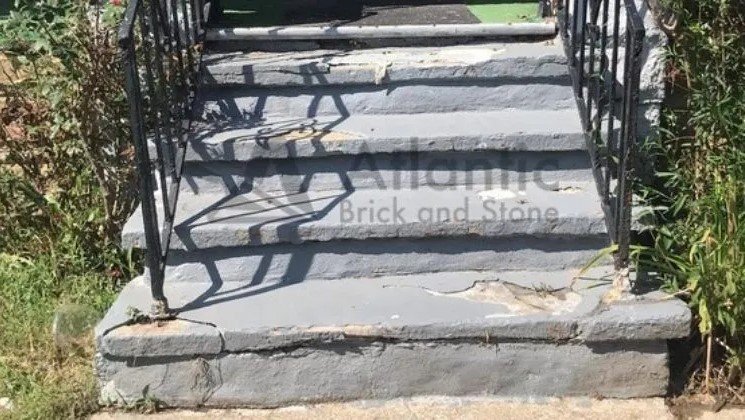
What is Parging and How does it work? Parging is a method of protecting and insulating masonry walls. It is becoming popular in home renovations projects.  It serves as an additional layer of protection for your home against moisture, extreme temperatures, and other environmental factors. It is made up of a mixture of sand and cement that is applied to masonry surfaces such as brick or concrete blocks. This article will discuss what parging is, how it works, and the benefits that come with using this type of coating. What is Parging? Parging is a cement coating applied to the foundation or exterior wall of a structure. It is used to create a smooth, uniform surface, which protects the underlying material from weather and other environmental damage. The process of parging includes the application of a mixture of sand, Portland cement, and water over the existing surface. This mixture is troweled onto the wall in even layers and allowed to dry before any additional wall treatment. It is an important part of building maintenance because it helps protect against water seepage and deterioration caused by extreme temperature changes, as well as providing aesthetic value. Is it Necessary to Parge your Masonry? Parging is an important part of maintaining the exterior of your home. But it may not be mandatory to parge your masonry. Yet, it is highly recommended because it protects the most vulnerable areas of your home’s exterior from weather damage and deterioration. What are the Benefits? Parged masonry structures can offer many benefits including: Increased Protection One benefit to parging is increased protection against water damage. It works by creating a barrier between the foundation wall and weather elements. This prevents water from seeping in and causing damage to the structure underneath, which can become a costly repair. It also provides extra insulation against cold temperatures, protecting your home’s interior climate and structural integrity during winter months. Decorative Appeal Parging can add decorative appeal to your home without costing a lot of money for renovations and repairs. Once you parge the wall, you may add paint or waterproofing for extra protection and curb appeal. Improved Structural Integrity One of the most important benefits is structural integrity. Parging helps to cover up any exposed mortar joints and cracks in the wall. This will help to strengthen the structure and keep it from deteriorating further. Which Surfaces should be Parged? You may parge a number of surfaces and some of them are: Block Foundation Wall Cement block foundation walls are recommended to receive a coating of cement over the exterior portion for additional protection against water intrusion and damage. Cement coatings on foundation walls will help keep them in good condition, preventing water seepage, cracking, and other types of wear and tear. Retaining Walls Parging is also ideal for use on old retaining walls. These walls are often exposed to harsh weather conditions due to their outdoor location. Parging is a relatively simple and cost-effective option, making it an attractive option for anyone looking to upgrade their retaining wall without spending too much money. The process starts by removing any loose material from the wall’s surface and filling any cracks or holes with mortar or patching compound. Chimney Smoke chamber parging is one very important task that should be an integral part of chimney safety. This process cleans, seals, and reinforces the smoke chamber in your brick chimney, which helps to ensure safe operation. When done correctly, it can help prevent smoking problems as well as other issues like water leaks or hazardous creosote build-up. Is Parging Repairable? Yes, parging repair is possible. Over time, the material may start pulling away from the wall due to the expansion and contraction of moisture levels in its environment. Fortunately, these damages can be repaired. A skilled mason with experience in this particular type of work can fix these issues. The mason will use specific techniques and materials, filling in any gaps and securing loose material back onto the wall. The process usually involves chipping away any loose material, cleaning and patching any cracks, and then applying a new layer of parging mix. It’s important to use quality material that will withstand the elements and resist damage in cold weather. Let the Professionals Handle the Parging Parging is a specialized skill and should not be attempted by the homeowner. It is best to leave this job to a skilled mason with expertise in applying it correctly. Applying parge incorrectly can trap moisture between the parge and the wall, causing further damage and costly repairs. A qualified mason can ensure that your walls are properly sealed against moisture, preventing future problems. So, trust your local masonry company to handle your project for optimal results. Remember, not all surfaces will require parging, so it’s important to have a professional inspect the area first before any work is done. Atlantic Brick and Stone in Fredericton is a great choice for all your parging needs. Our experienced staff are highly skilled in this area, with 15 years of experience under their belts. They use only the best materials and tools to ensure that your project is done right and will last for years to come. Get Your Parging Repair Estimate Online Now! 506-304-0771 atlanticbrickandstone@gmail.com Request an Estimate
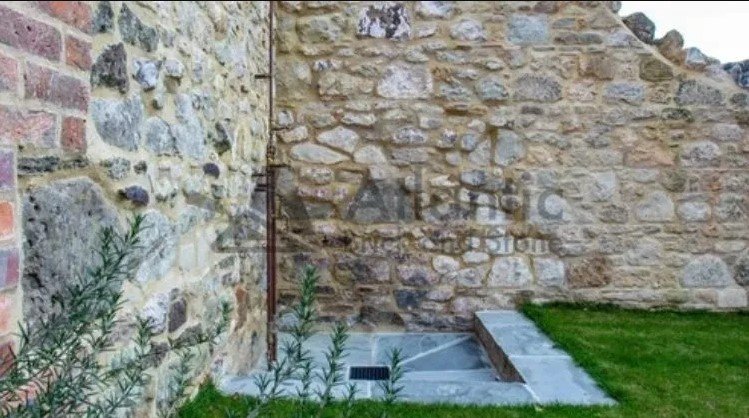
Concrete Settlement
Uncategorized

Common Warning Signs of Concrete Settlement

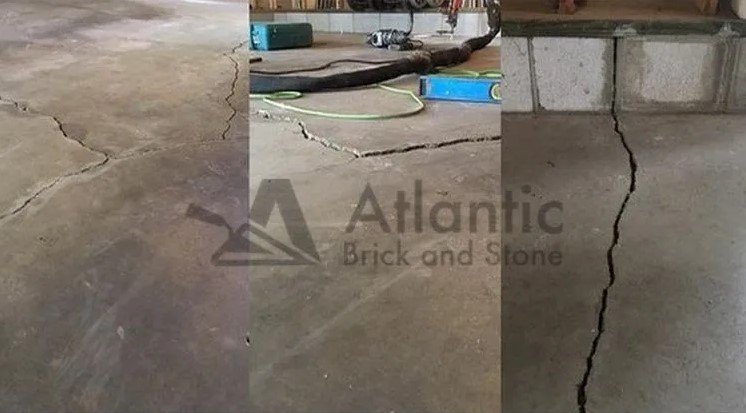
Common Warning Signs of Concrete Settlement Concrete settlement can be a major problem for homeowners. If the foundation of a building is not supported, it can lead to a variety of serious problems. These problems include cracked walls, uneven floors, and even structural damage. Unfortunately, concrete slab settlement is often difficult to detect until it has caused considerable issues. It’s important to be aware of the common warning signs. This way, you can take action before the situation becomes too severe. What is Concrete Settlement? Concrete settlement is the movement of a concrete foundation when the soil below can no longer support it. It is a natural process caused by environmental factors such as moisture levels or landscaping etc. Settlement is often caused by soil consolidation underneath the slab, which can be due to the weight of the slab and the amount of water in the soil. Over time, concrete slabs can begin to settle due to compacted soils, drying and shrinking, or washout by the elements. This can lead to settlement cracks, which are usually more extensive at the top of the crack than the bottom. Signs of Settlement Concrete settlement is a serious problem that can cause lasting damage to any structure built with concrete. Here are some common signs that you should look for. Hairline Cracks Hairline cracks in concrete are one of the most common signs that a structure is settling. Settlement can occur for a variety of reasons, and it’s important to be aware of these warning signs so that necessary repairs can be made as soon as possible. This type of cracking is often caused by soil settlement or an uneven weight distribution on the concrete surface, and if left unchecked, it can lead to more serious structural damage. Knowing how to identify hairline cracks is essential when it comes to preventing future problems. These cracks typically appear along joints or edges in concrete slabs and walls, and they may appear straight or curved in shape depending on their cause. If there are several visible cracks running parallel to one another, this could indicate a larger problem with soil settlement beneath the slab. Uneven Concrete Slab Uneven concrete slabs are a major sign of concrete settlement and may be indicative of a more serious problem. Concrete settlement is when the soil beneath a concrete slab shifts or compacts, resulting in the slab no longer being level. This can cause unevenness on the surface, which is usually noticeable to the naked eye. It’s important to act quickly if you suspect that your slab has settled, as it could cause further damage if left unchecked. This problem can be caused by many things, including changes in soil moisture levels or tree roots growing beneath the foundation. In some cases, water drainage issues may also contribute to settlement. If you notice an area of unevenness on your concrete slab, it’s best to contact a professional concrete repair who can assess what might have caused it and provide advice on how best to fix it. Sticking Doors and Windows Sticking windows and doors are not only an annoyance, they can also be a sign of concrete settlement. When concrete settles, it is normal for the ground to move and shift slightly. This often causes doors and windows to no longer fit properly within their frames, resulting in them becoming stuck or difficult to open. It is important to closely monitor sticking windows or doors as it could potentially be a sign of a more serious problem with the foundation of your home. If the cause is not addressed quickly it can lead to structural damage that will become increasingly costly. Voids Underneath Soil Voids underneath soil is another sign of concrete settlement. If you have noticed a strange sound when tapping on your concrete, chances are there’s something going on beneath the surface. Many homeowners don’t realize that it is a major sign of concrete settlement and can be quite dangerous if left unchecked. To check the problem, you can tap on the concrete in various spots to see if you hear any strange sounds that may indicate a problem with settling voids in the soil below it. How to fix Concrete Settlement Problem? Are you dealing with concrete settlement? Don’t worry, it’s a common problem and can be fixed. The most important thing to do is call a local masonry repair contractor who specializes in this type of repair work. Atlantic Brick and Stone has a team of experienced professionals who can assess your property’s concrete settlement issues accurately. They will identify the cause of the problem, as well as develop an appropriate plan for repair services. The work may involve replacing existing concrete, installing support piers or beams beneath foundations, lifting sunken slabs, or filling in voids underneath them using specialized grouts and epoxies. Once the repairs are complete, they can also provide recommendations on how to prevent future settling problems from occurring again. Get Your Concrete Repair Estimate Online Now! 506-304-0771 atlanticbrickandstone@gmail.com Request an Estimate
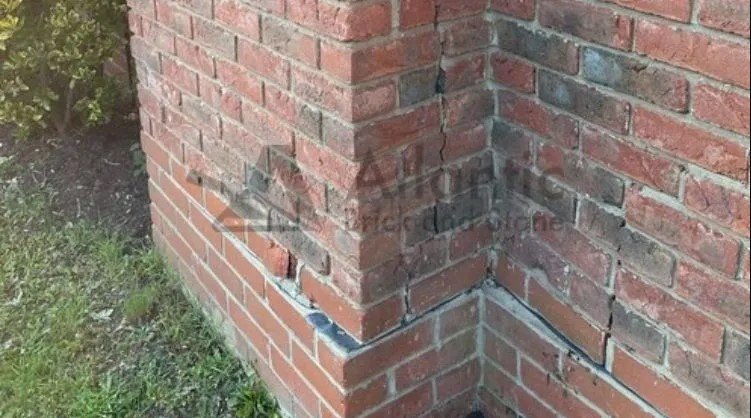
Common Materials Used to Build Retaining Walls
Uncategorized

Common Materials Used to Build Retaining Walls

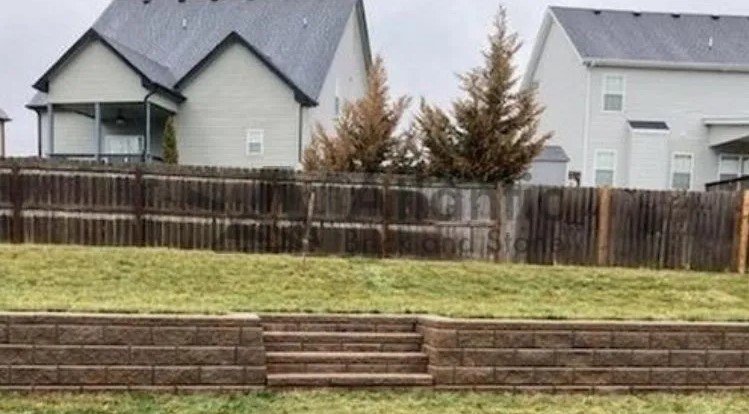
Common Materials Used to Build Retaining Walls Retaining walls are a great way to provide additional structural support for your property, and there are a wide range of materials that can be used to build them. From wood to concrete blocks, each material has its own unique benefits and drawbacks. In this article, we will delve deeper into the most common materials used to construct retaining walls. We’ll discuss their strengths, weaknesses and how best to incorporate them into your own backyard project. Purpose of Retaining Walls Retaining walls are a great way to improve the look of residential backyards. They are also used to restrain soil from eroding or sliding away due to water or other factors. In addition to providing aesthetic value, retaining walls are also functional in that they provide increased stability for soil on sloped surfaces. They can be designed to serve as planters for flowers or shrubs and can also be used to create seating areas for outdoor living spaces. Retaining walls are an essential part of landscaping projects and have become increasingly popular in recent years due to their versatility and ability to add value to any property. Advantages of Retaining Walls There are several benefits of having retaining wall in your backyard. Some of the them are: Improve Landscaping The aesthetic benefits of retaining walls should not be overlooked either. Not only do they help shape your landscape design by providing you with options to break up large swaths of land or steep slopes; but they come in all shapes and sizes making them customizable to any home’s style and look. From natural stone structures to modern designs using building materials like concrete blocks, there is something available to suit every taste. Reduce Erosion One of the biggest benefits of retaining walls is their ability to reduce erosion. By holding back soil on hillsides or areas where water tends to accumulate during storms, these structures can help prevent damage to property and infrastructure below them by reducing runoff and sedimentation flow. Retaining walls also keep soils in place against the force of gravity, which helps ensure that any landscaping work or construction remains intact over time. Improve Drainage Having a professionally constructed retaining wall can improve drainage in the yard by redirecting water runoff away from buildings or areas where flooding could be an issue. Retaining Wall Material Mainly there are 4 types of building material that are used to construct a retaining wall. These materials include timber, masonry, poured concrete and interlocking concrete blocks. But the important question is: How to choose the right material In order to ensure that the wall will be stable, strong and long-lasting, it is important to choose the right material for its construction. The most important factor when selecting the material for building a retaining wall is its durability. It should be able to withstand all weather conditions without deteriorating over time. Look for materials with high strength ratings and those which can easily absorb shock from external forces like falling debris or heavy rains. Make sure you pick materials that have been tested against water seepage or erosion so as to guarantee their longevity. The aesthetic appearance of the wall is another important factor when deciding which material to use. Masonry Retaining Walls Masonry retaining walls are a great way to add character and stability to any outdoor landscaping project. Constructed from stone, brick, or concrete block, retaining walls help strengthen the soil and can be used for both utilitarian purposes as well as decorative accents. For the best results, it’s important to hire an experienced professional mason who knows how to properly build a durable wall that will last for years. The most important step in building a masonry retaining wall is to make sure you have the proper footing for the structure. The footing must be placed at least 12 inches below the ground’s frost line, and should be three times wider than that of the actual wall itself. After you have your footing in place, it is time to begin constructing your wall using building material. To ensure stability, it also necessary that weep holes are utilized every 6 feet during construction; this will allow any water which accumulates behind the wall to escape properly. Poured Concrete Retaining Walls These types of retaining walls are an effective and attractive way to keep soil in place while also providing a safe and decorative boundary. As the name suggests, these retaining walls are built by pouring concrete into forms that have been set up around the area where the wall is being constructed. This method of construction offers many advantages over other types of retaining walls because it is strong, durable and relatively easy to install. The process for installing poured concrete retaining walls begins with excavating the area where the wall will go, then preparing any necessary foundations or footings. After this is done, forms are set up around the perimeter of the wall’s location, then filled with steel-reinforced concrete which has been mixed according to manufacturer specifications. Remember weep holes are essential when forming poured concrete walls since they help improve drainage by allowing water to run off the surface when it rains or snows. This prevents water from pooling up behind the wall, which could cause instability or even structural failure over time. To properly install weep holes, use standard drill bits or rotary hammers spaced at 6-foot intervals along the length of the wall as you form it. Interlocking Concrete Blocks Retaining Walls Interlocking concrete blocks retaining walls are a type of hardscape structure used to contain soil and other materials. They are easy to work with, can be readily customized, and provide a long-lasting solution for containing soil and other materials. These types of blocks are made from precast molds filled with a blend of Portland cement, aggregate and water that is then cured before being cut into individual units. These individual pieces interlock together during installation to

Paver patio maintenance
Uncategorized

A Guide to Maintaining a Paver Patio

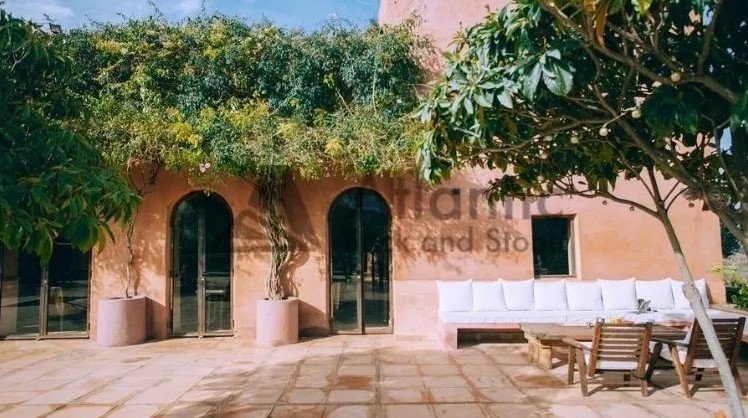
A Guide to Maintaining a Paver Patio Maintaining a beautifully designed patio is not only rewarding, but also easy to do. Proper maintenance of your patio can help keep it looking new and lasting for many years. In this article, we will provide an overview on how to maintain a paver patio in order to get the most out of it. From best practices for cleaning and repairing pavers, to tips on preventing weeds, staining, and more – we have you covered! Paver maintenance is it necessary? Maintaining patios paver is not only necessary, but also beneficial. Pavers are low maintenance and require minimal effort to keep them looking their best. Washing and cleaning the patio on a regular basis will help maintain its appearance. It is recommended to clean the patio paver at least once a year to prevent dirt and debris from building up, which can lead to discoloration or damage. Furthermore, sealing the pavers can help protect them against weathering, staining and fading. Taking these steps will ensure that your paver patio stays in good condition for longer. How to Maintain them? Follow the below tips to maintain your patio in good shape and condition. Patio preparations To get started, you should begin by removing any furniture or décor that you have on your patio. This will give you an unobstructed area in which you can examine for any potential damage. You should also gather all the necessary tools to complete each task that needs attention. This may include a power washer for cleaning, broom, scrub brush for grime or a power drill if there is any woodwork that needs repair. Having these items at hand before beginning will help make sure each task gets done quickly and efficiently so your patio can be ready for use again in no time! Clean Pavers Cleaning pavers is an important step in maintaining the longevity and beauty of your outdoor space. First of all, choose the right pressure washer for the job. A pressure washer with 1000-1500 PSI is ideal for most surfaces, but if your pavers are especially dirty or stained, you might need something with more power. Once you have chosen your pressure washer, it’s time to select a paver cleaning solution that will help break down dirt and grime without damaging your hardscape. Be sure to follow any safety instructions on the cleaner’s label before beginning work. Pro Tip: High-pressure washers can be very effective in removing stubborn dirt from a surface, but if used incorrectly on your pavers they can easily cause irreparable damage. Using low-quality or substandard cleaning products on your pavers may also lead to their deterioration over time. If you’re not sure how best to clean your brick and stone pavers without damaging them, then it’s wise to hire professional pressure washing services who are experienced in effectively cleaning these types of surfaces safely and effectively. Apply Paver Sealer Sealing is a great way to protect your outdoor surfaces from the damaging effects of water, sun, and other environmental elements. Not only does it provide protection to your investment, but it also adds beauty and luster to your outdoor spaces. Sealing keeps out dirt and moisture which prevents your pavers from fading or cracking over time due to wear and tear. It also helps prevent weed growth in between the joints of the pavers. However, applying paver sealer isn’t something you should do every year. A minimum of 1 application and a maximum of 2 applications in every 3 years is recommended to protect your pavers. It is better this job should be done by professionals. Repair and Replacement Maintaining the beauty of a paver patio requires regular repair and replacement. Paving stone joints are the most vulnerable areas of any installation, as they can be easily damaged due to exposure to changing weather conditions and heavy foot traffic. Taking steps to ensure that these weak spots are in good condition is essential for keeping a patio paver looking its best. The first step in fixing damaged paver is a thorough inspection. Look for signs of damage such as cracks, chips, or worn-down joints that need to be re-filled with jointing sand. If you have loose or broken pavers, these should also be replaced before further damage occurs. Paver care mistakes to avoid There are some mistakes that should be avoided in order to keep your pavers looking their best. Never use high pressure when cleaning your pavers. This can damage the surface of the pavers and lead to fading or cracking over time. Do not apply sealer more often than necessary. The sealant will become opaque, creating a hazy appearance over the pavers. Avoid using harsh products such as vinegar on your pavers as this could also cause damage to the surface and make them more prone to wear and tear. Call Hardscaper for Regular Inspection Regular inspections by a professional can help identify any potential issues or areas that may need repair. It is important to regularly inspect hardscapes for signs of damage, as well as regular maintenance and paver repair. Atlantic Brick and Stone in Fredericton, NB offers hardscaping services to help homeowners maintain the beauty of their outdoor spaces. Contact us today for your regular inspection needs. We have the experience and expertise in masonry construction and repair services to ensure that your property looks its best. With our knowledge and skill, we can provide you with the right advice on how to maintain your hardscape and landscape and keep it looking great for years to come. Get Your Patio Paver Repair Estimate Online Now! 506-304-0771 atlanticbrickandstone@gmail.com Request an Estimate
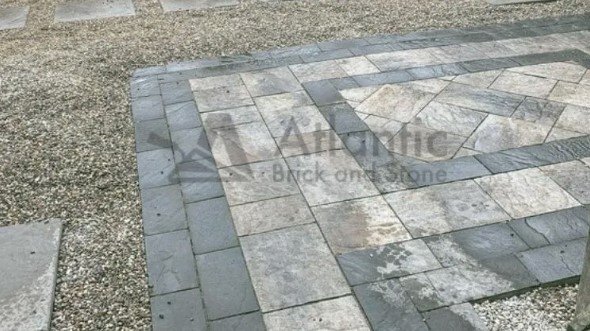
Hardscapes Fredericton
Uncategorized

What is hardscape – An introduction to the different types of hardscapes

What is hardscape – An introduction to the different types of hardscapes Hardscape is an important element of any outdoor space, from residential patios to commercial plazas and public parks. Hardscaping is the practice of designing and installing hard materials, such as stone, concrete, brick, or wood. It can create a beautiful landscape that enhances the area around it. What does hardscape mean? Hardscape is a term used to describe the physical elements of landscaping that are made from hard materials such as stone, brick, concrete, and other masonry material. It is an important part of any outdoor space as it creates structure and definition. Hardscapes can add texture, color, and dimension to a yard or garden while also providing practical benefits such as creating paths or patios. Hardscapes can be used to create seating areas, steps, driveways, walkways, and other landscape features. They provide an aesthetic appeal while also serving a functional purpose in the landscape. It can be used both for residential and commercial applications and can be designed to match the overall look of the property. With careful planning and design, it can enhance any outdoor space while providing practical benefits. Benefits of Hardscaping When considering hardscaping, one of the biggest benefits is improved curb appeal. By incorporating elements such as pavers, retaining walls, and other features into your landscape design, you can give any home or business an instant facelift. Hardscapes are not just aesthetically pleasing either – they are also known for their durability and require minimal upkeep. This means that once installed properly, there’s no need to worry about regular maintenance or repairs. One major benefit of hardscaping is that it offers improved drainage solutions for a property. Properly installed hardscaped areas will include gravel or crushed rocks in order to help quickly disperse water away from buildings and other structures on the property. This type of feature helps prevent flooding and runoff issues, making it an attractive option for homeowners looking for better drainage solutions. Different Types of Hardscapes There are various types of landscaping and hardscaping, but we are going to discuss some most important. Walkways Walkways are pathways in the landscape that can be used for walking or driving. They are usually made of concrete, pavers, asphalt, or other paving material and can provide access to areas such as gardens or poolside. The addition of a walkway in your landscape will not only increase its aesthetic appeal but also add value to your property. When properly designed and installed, they can create an inviting atmosphere while providing structure to the garden or yard space. With the right design approach, they can also be used strategically as part of overall landscaping schemes such as creating paths between sections of your building or adding steps along slopes and hillsides. Driveways Driveways are an integral part of hardscape and can provide an attractive entrance to any home or business. A driveway is a paved area specifically designed for cars to park and move around, making it one of the most important elements in a landscape design. These can be constructed from various materials such as asphalt, concrete, gravel, stone, or pavers. Each material has its own unique characteristics that must be taken into account when selecting the best choice for your particular project. Patios Patios are a popular form of hardscape that can be used to create outdoor living areas. A patio is a paved surface area that offers an excellent place for relaxation and entertainment, and it has the potential to greatly improve the look of any backyard or garden. Patios can be constructed from various materials such as brick, flagstone, concrete, and pavers, allowing homeowners to choose an option that best suits their individual needs and preferences. The primary goal of constructing a patio is to offer a flat outdoor surface that can accommodate different types of furniture and other items. This makes it possible for homeowners to use their backyard in numerous ways – they may opt to have barbecues with family or friends, relax in the sun while reading a book, or just sit outside enjoying nature’s beauty. Retaining Walls Retaining walls are a type of hardscape construction that can be used to provide stability and beauty to any landscape. The primary purpose of retaining walls is to prevent soil erosion on an incline or slope in your yard. By building a wall along the sloped area, you can reduce the amount of soil movement caused by water runoff or other sources. This helps keep your property looking neat and also prevents potential damage to buildings or landscaping below it. Of course, retaining walls can add visual interest to your outdoor space by utilizing various colors and textures, creating a unique look for your backyard. The experienced professionals at Atlantic Brick and Stone Atlantic Brick and Stone specialize in outdoor hardscape design and construction such as patios, walkways, retaining walls, driveways, and steps. We are one of the best masonry contractors with over 15 years of experience. We also provide a range of specialized masonry services that can create the perfect look for your home or business. We understand how important it is to have quality workmanship when designing outdoor living spaces. Our experts use only the best materials to ensure the highest levels of durability and aesthetic beauty. Get Your Hardscape Installation Estimate Online Now! 506-304-0771 atlanticbrickandstone@gmail.com Request an Estimate
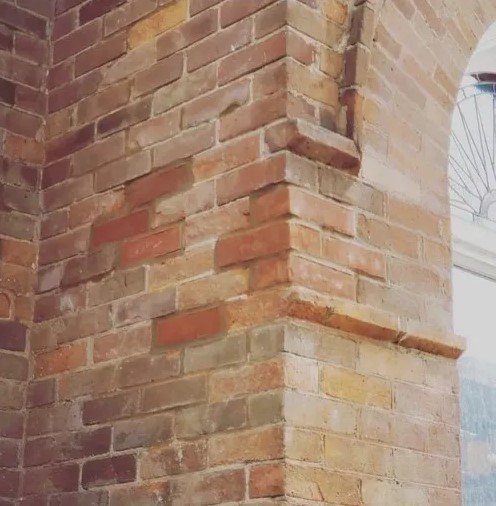
Flagstone benefits
Uncategorized

Flagstone: A Comprehensive Guide to Its Benefits and Uses

Flagstone: A Comprehensive Guide to Its Benefits and Uses Welcome to our comprehensive guide on the many benefits and uses of flagstone! This article will provide you with all the information you need to know about this versatile material, and how it can be used around your home. From its natural beauty and durability to its weather resistance and longevity, flagstone is an excellent choice for a variety of projects. We’ll explore these qualities in more detail and discuss some of the best ways to use it around your home. Whether you’re looking for a durable driveway surface, a unique walkway path or a stylish patio addition, this guide has got you covered. Read on for everything you need to know about flagstone! What is Flagstone? Flagstone is a natural sedimentary rock made up of layers of various stones. It is largely composed of quartz, mica, and other minerals that give it its distinct color variations. This type of natural stone has been used in landscaping for centuries as a reliable and beautiful paver material to create pathways, patios, and walkways. It is primarily used due to its strength, durability, and versatility. The layers that are formed when creating flagstone provide stability, prevent erosion, and give the surface an aesthetic appeal that complements many outdoor spaces. This type of rock can be cut into different shapes to accommodate any design or style requirements, making it an ideal choice for home improvement projects. For instance, flagstone flooring is made from natural stones that have been cut and polished into thin slabs to create a smooth, even surface. The pieces are then laid out in patterns on sand or gravel beds, resulting in a highly durable surface that can withstand heavy foot traffic. Benefits of Flagstone Flagstone is an excellent building material because: This material is extremely durable and can withstand extreme temperatures as well as heavy foot traffic with minimal maintenance or repairs. The natural appearance of flagstone makes it an attractive choice for outdoor settings. This material is available in different colors, textures, sizes, and thicknesses, so homeowners can choose the one that best suits their needs. Flagstone is resistant to fading or discoloration due to UV exposure, so it will retain its original color for years. In terms of maintenance, it requires only occasional cleaning with a garden hose and mild soap solution. It is cost-effective for long-term use because it lasts many years without needing replacements or repairs. It can be used in a variety of indoor and outdoor applications. Outdoor Uses of Flagstone Here are some popular outdoor uses of flagstone: Walkways & Paths One of the most common uses for flagstone is to create walkways and paths. These can be used to lead through gardens or around a property, adding an appealing and rustic charm while providing practicality. Flagstone pavers are perfect for these types of applications because they have great traction and strength, meaning the path or walkway will remain in good condition even if it is exposed to the elements. They can be laid in many different patterns, both straight or curved, creating a unique look each time. Patios & Decks Flagstone also looks amazing when used in patio designs because of its natural textures and unique patterns. You could choose from a variety of earthy tones such as gray, brown, tan, and even blue. This means you can find the perfect color scheme for your outdoor space without spending too much money. If you would like to add more detail to your flagstone patio design, you can opt to have it cut into different shapes such as hexagons or diamonds; the possibilities are endless! Retaining Walls Flagstones are extremely durable compared to other materials like concrete blocks or bricks that may be used in retaining walls. This makes them ideal for retaining wall use because they can withstand extreme weather conditions such as heavy rains or strong winds without sustaining damage. The natural colors and textures of flagstone provide an attractive aesthetic appeal which can enhance the overall look of any landscape design. They are also relatively easy to install when compared to other types of hardscape materials. Pool Surrounds Flagstone pavers also offer superior anti-slip protection when wet, making them an ideal option for pool surrounds. The textured surface of the natural stones helps provide extra grip when walking on wet surfaces, reducing the risk of slips and falls around the swimming area. Indoor Uses of Flagstone Here are a couple of popular indoor uses of flagstone: Stair Treads Flagstone stair treads are strong enough to handle foot traffic. The stone’s non-slip surface helps reduce the risk of slips and falls on stairs, allowing homeowners to use their stairs safely. Natural flagstones can also be applied over existing concrete steps with minimal preparation prior to installation. The material can be cut into various shapes and sizes depending on the desired look of the staircase, creating an eye-catching feature that adds visual interest to any room in the house. Countertops Countertops made from flagstone are an excellent addition to any kitchen or bathroom design as they provide an interesting texture and color palette, while also being extremely durable. Flagstone is resistant to heat, water damage, chipping, scratching, and staining, making it the perfect material choice for countertops. Fireplaces When used as part of a fireplace or mantel, flagstone creates a rustic charm that adds warmth and texture to any room. It can be left in its natural state or customized to fit the look you are aiming for, with various color options available. It also adds strength and longevity to the structure, making it an ideal choice for fireplaces and mantels due to its resistance to heat. Flagstone Installation Atlantic Brick and Stone is a leading brick and stone contractor in Fredericton. We specialize in flagstone installation services, allowing you to design and create your own custom outdoor living space. Our experienced team of professionals will work with you to ensure all

Thin Veneer Stone
Uncategorized

What is Thin Veneer Stone? Atlantic Guide

What is Thin Veneer Stone? Atlantic Guide Thin veneer stone is a popular choice for homeowners and professionals looking to add a touch of elegance to their homes or commercial projects. It is used to add texture, style, and sophistication to buildings, both inside and out. It is an attractive option because it is easy to install, lightweight, and durable. In this article, we will discuss what thin stone veneer is, its benefits, types, and applications. Thin Veneer Stone Brief Intro Thin veneer stone is a type of building material made from mostly natural stone, such as granite or limestone, that has been cut into thin slices. It is often used to clad the exterior walls of buildings, giving them a more decorative and eye-catching appearance than traditional brick or siding. These stones can also be used on interior walls to create a dramatic look. It is lightweight and easy to install with minimal effort. Because it is made from natural stone, it provides insulation and strength in addition to its appealing aesthetics. With proper care and maintenance, these types of stone can last for many years and provide beauty and value to any home or building. Where is Stone Veneer Used? Stone veneer can be used on fireplaces, walls, columns, arches, pillars, fountains, and other architectural features to add beauty, texture, color, and interest. It is also commonly used as a decorative element in landscape design to create natural stone walls or pathways. In addition to its aesthetic value, stone veneer provides excellent durability that helps protect structures from the elements. They can last for decades without needing replacement or repairs due to their high resistance to weathering. With its classic beauty and versatility, it is an ideal choice for both interior and exterior applications. Types of Thin Stones In the market, there are two types of veneers: natural and synthetic. Synthetic Thin Stone Veneer One type is synthetic thin stone veneer, which provides the appearance of natural stone without the hefty price tag or weight associated with traditional masonry materials. These manufactured stones are made from a combination of polymers and minerals that are designed to replicate the look and feel of real stone, making it an attractive option for many applications. It also offers superior weather resistance than other types of veneers and can be easily installed on any surface. Natural Thin Stone Veneer Natural thin stone veneer is an increasingly popular type of veneer stone. It is lightweight, easy to install, and provides a beautiful finish to any property. Natural stone veneer offers the same quality of look and feel as traditional stones such as sandstone, quartzite, or granite but with added benefits. Not only does it bring an element of luxury to any space, but it is also extremely durable and low maintenance – making it the perfect choice for commercial or residential constructions. Why Invest in Thin Stone Veneer? There are a number of benefits to installing thin stone veneer. This type of veneer is relatively lightweight compared to traditional building materials, such as brick or natural stone blocks. This makes installation much easier and quicker than other options, resulting in less disruption or disturbance to the area. Due to its flexibility and durability, thin stone veneer can be applied on a variety of surfaces including wood, concrete block walls, and foundations. This means that you have more design freedom when deciding which material best suits your particular project’s needs. Installing thin stone veneer is a cost-effective way to upgrade the exterior of your property. Not only does this type of stone add a unique and attractive aesthetic, but it doesn’t require the same labor and materials costs associated with more traditional types of masonry. Compared to other materials like brick or concrete block, thin stone veneer is easier to install while still providing a strong protective layer against weather damage. The lightweight nature of thin stone means that it requires minimal extra support in order for it to be properly installed. This can greatly reduce installation time as well as per square foot costs compared to traditional building stone. Full Veneer vs Thin Stone – Which is Right for You? When it comes to stone veneers, you have two main options – full stone veneer and thin stone. Full stone is a thicker product made from natural stones cut into larger pieces, while thin stone is composed of lighter, thinner slices of the same material. Both offer an attractive way to add beauty and durability to your home or business, but which one is right for you? Full veneer has more mass and can be used on heavier construction projects such as outer walls or other large-scale projects. Its thicker composition also makes it more durable than thin stone. Thin stone is lightweight, easier to install, and often used in smaller areas such as facades, fireplaces, or accent walls. It’s also less expensive than full stone, so if you’re working with a tight budget, it may be the better option for you. Ultimately, the right choice depends on your needs and budget. If you’re looking for something that will last longer and can withstand heavy use in larger areas of your home or business, then full stone may be the better option. If you need something that’s easier to install and less expensive, then thin stone might be the right choice for you. Professional Thin Stone Veneer Installation If you have decided to go with thin stone veneer, remember that professional installation is key to achieving the best results. The process of installing these stones requires skill and experience to ensure a proper fit and a perfect finish. A professional installer will be able to measure the area precisely and create an attractive design with ease. They will also know how much product needs to be purchased and how it should be laid out so that all pieces are level or flush while providing optimal coverage. Proper installation is essential because if

What happens if you dont repoint brickwork
Uncategorized

What happens if you don’t repoint brickwork?

What happens if you don’t repoint brickwork? Brickwork is a key component of many building structures, and problems with brickwork can have serious consequences. If you have noticed signs of distress in your building’s structure, it is important to take action as soon as possible. Repointing is a common remedy for damaged bricks and mortar joints. This article will explore what happens if you don’t perform this important task properly and why it is so important to ensure that you do so. What is Brick Repointing? Brick repointing is a process of repairing the mortar between bricks in a wall or structure. The mortar, which is made from sand, cement and water, can become worn over time due to weathering and erosion. Repointing involves removing the old mortar and replacing it with new mortar using a trowel. This ensures the structure remains stable and secure. It also helps to protect it from water damage by preventing moisture from getting into the cracks between the bricks. It is an important part of any maintenance plan for masonry structures, as it helps to maintain their strength and durability. Why you should repoint your Brickwork? Brickwork is one of the oldest and most durable building materials, but it needs special care over time to ensure its longevity. Repointing can increase the strength of your existing brickwork and help protect your structure from weather damage. Increase Resistance to Weather The main reason for repointing bricks is to prevent water from seeping into the masonry or stonework. When there are gaps in between each brick, rainwater can penetrate and cause erosion to occur over time. By filling in these gaps with a new mortar mix, it will not only stop water from entering but also help strengthen the wall against harsh weather conditions. Increase Brickwork Strength Repointing brickwork involves removing old, crumbling mortar and replacing it with fresh mortar. This process helps increase the strength of your brickwork by ensuring that all the bricks are securely held in place, preventing them from shifting over time and leading to further damage to the masonry structure. It also prevents water seepage through cracks in the mortar which can cause serious structural damage if not addressed quickly enough. Improve Aesthetics Repointing provides an opportunity for homeowners to improve the appearance of their properties by using different pointing techniques that create unique looks; from traditional bucket handle to weathered or raked joints. Cement mortar can also be tinted in various shades or even given a textured finish for extra flair. Signs of Deteriorating Mortar Mortar is one of the most essential components of masonry construction, providing a strong bond between bricks and other building materials. If mortar is not properly maintained and begins to deteriorate, it can drastically reduce the strength of your structure, potentially leading to costly repairs. It’s important to be able to recognize when mortar is beginning to fail so that you can address the problem before it gets worse. One indication of deteriorating mortar is crumbling along edges or gaps between bricks and stones. This type of deterioration weakens the wall’s stability and increases its vulnerability to water damage. Another sign is delamination, which occurs when layers of mortar separate from each other. Discoloration in existing mortar may be indicative of moisture seepage into brickwork or stone blocks due to weakened joints or inadequate flashing around windowsills or doorsills. If you notice these signs of damaged mortar, it is time to call a mason to assess the situation and start mortar and brick maintenance work. What happens if you don’t repoint? If you don’t repoint, your walls can become unstable and eventually crumble. This is because the mortar between bricks begins to erode over time due to weather conditions and other factors. Without enough support from the mortar, the weight of the bricks can cause them to crack and collapse. Not only could this cause structural damage to your home, it also poses a serious safety risk as falling bricks create an additional hazard. If these problems are not fixed for too long, they can result in more serious problems such as structural instability and water infiltration – both resulting in extensive repair costs or even the need for complete demolition of the structure. How often should you repoint? Generally, it is recommended that repointing be done every 20-25 years, depending on the condition of the brickwork. During this process, all of the existing mortar should be removed from between bricks and replaced with new mortar to ensure that there is a strong bond between them. Make sure, any damaged or broken bricks should also be replaced in order to prevent water infiltration and further deterioration. It is important to hire an experienced masonry contractor for this job who can properly assess the existing condition of the structure and recommend an appropriate schedule for repairing. When Should You Avoid Repointing a Brick Structure? When it comes to repointing a brick structure, it is important to avoid doing so in temperatures that range below 40°F or above 90°F. Doing so can cause the mortar to become brittle and dry, resulting in a poor job that will not last as long. It is also important to avoid repointing if the bricks are damaged beyond repair, as this could further damage the masonry. Generally speaking, you should check your structure for wear and tear regularly and fix it when needed. This will help ensure your building remains structurally sound and watertight by preventing moisture from penetrating the walls. Conclusion It is clear that repointing is essential to the long-term preservation of masonry structures. Lack of repairing can cause serious damage to the structure, leading to costly repairs in the future. To avoid these problems, it is important to regularly inspect and maintain your brick masonry by repointing it when necessary. This will help keep your home looking beautiful and functional for generations to come. Get Your Brick Repointing Estimate Online Now! 506-304-0771 atlanticbrickandstone@gmail.com Request an Estimate
how to choose perfect chimney cap
Uncategorized

How to choose the perfect chimney cap?

How to choose the perfect chimney cap? Chimney caps are a necessary addition specially to masonry chimney, providing protection from water, weather, and pests. Whether you’re looking to replace an existing cap or install a new one, it’s important to choose the right type for your specific needs. With a variety of materials, designs, and sizes available on the market today, finding the perfect chimney cap can seem like an overwhelming task. This guide will help you to find the right chimney cap. What Is a Chimney Cap? A chimney cap is a protective cover that is placed on the top of a chimney. It helps keep debris and animals out of the chimney, while also preventing rainwater from entering. Chimney caps come in various sizes and shapes to fit different types of chimneys. These caps usually have mesh or wire sides, with a solid top and bottom. They can be made out of stainless steel, galvanized steel, copper, or even aluminum. The main purpose of a chimney cap is to keep sparks and flames from escaping the fireplace, which could potentially start a fire nearby. Furthermore, they help keep birds from nesting in the chimney and prevent moisture from entering the flue pipes. Chimney caps are an essential part of any home’s fire safety plan! Is a chimney cap necessary? Yes, it is! A chimney cap is an essential safety and maintenance item for any residential or commercial building with a chimney. Without one, the chimney can become damaged over time due to weather damage, animal entry, and clogged flues. This type of damage can be expensive to repair and could even lead to a fire in some cases. It also helps to maintain proper drafting by preventing wind-driven downdrafts. This ensures that smoke and other hazardous gases are vented properly out of the house instead of back into it. So, investing in a high-quality chimney cap is a great way to ensure your family’s safety while enjoying your fireplace or wood burning stove with peace of mind. Types of Chimney Caps There are several different types of caps available, each designed to serve a specific purpose depending on your needs. Galvanized Metal Chimney Cap One popular type is the galvanized steel cap. These caps are usually made from steel or aluminum coated with zinc-based compounds that provide protection against rust and corrosion. Galvanized cap has superior durability compared to other types of metal, making it ideal for use outdoors in harsh weather conditions. Furthermore, these chimney caps come in a range of sizes and styles so you can easily find one that fits your specific needs. Stainless Steel Chimney Cap One type of chimney cap is made of stainless steel and has slotted sides with a solid top that helps keep out pests and water. This type also comes in various designs to match the architecture of your house and it can even be customized to fit any size or shape chimney. The material used on this type is strong enough to withstand extreme weather conditions such as wind, snow, ice, or hail without rusting or corroding over time. It requires little maintenance since it won’t need painting or staining like other materials may require over time. Copper Chimney Cap Copper chimney caps have many advantages over other options like stainless steel or aluminum. Copper has a higher heat resistance than other metals, which makes it ideal for preventing sparks from escaping the flue and igniting nearby combustible materials. It’s also highly durable and will last much longer than stainless steel without needing replacement or maintenance. Copper is also naturally resistant to corrosion, making it perfect for all climates and weather conditions. How to choose the right one? Selecting the right chimney cap is an important part of maintaining a safe and properly functioning chimney. To ensure you get the right one for your needs, it’s best to discuss with a qualified chimney specialist who can advise on what type of cap will work best for your situation. However, when selecting a cap, follow these tips: Check features such as ones that are corrosion resistant or have mesh panels to keep sparks from escaping into surrounding areas. Some caps come with guards attached to help prevent large animals from getting in. If you live in an area that receives heavy snowfall, then consider choosing a model that has enough height or slant to prevent snow buildup on top of it. Once you have chosen a right cap either made with steel or copper or even galvanized steel, it is extremely important that the installation be handled by a chimney repair specialist. Improperly installed caps can be ineffective at preventing debris buildup or water leakage and may even cause damage to your home’s foundation over time if not properly secured. Maintenance & Cleaning Maintaining and cleaning your chimney cap is an important step in ensuring its longevity. If left unattended, it can suffer from a build-up of residue and materials that are exposed to the elements. Taking the time to properly clean and maintain your chimney cap will help keep it looking good while also helping to prevent any further damage or wear over time. To make sure your chimney cap stays in tip top shape, you should inspect it at least once a year for signs of rust or wear. If you notice any deterioration, be sure to address the issue right away before it gets worse. Atlantic Brick and Stone offers a wide range of services in Fredericton from building new chimney to repairing existing ones. We can also seal joints, replace mortar, rebuild crowns, construct fireboxes and install flues among other tasks related to masonry construction and repair. With their expertise in brickwork and stonework, you can count on us to help you get the most out of your project no matter how big or small it may be. Get Your Chimney Cap Installation Estimate Online Now! 506-304-0771 atlanticbrickandstone@gmail.com Request an Estimate
Popular Foundation Types for Homes
Uncategorized

Uncovering 3 Popular Foundation Types for Homes

Uncovering 3 Popular Foundation Types for Homes Foundations are the bedrock of any home, providing stability and strength to its structure. Knowing which type of foundation is right for your home can be daunting, as there are a variety of popular foundation types on the market. In this article we will uncover three of the most commonly used foundations and discuss their advantages and disadvantages. Homeowners need to be aware of their options when it comes to selecting the right foundation for their property. What Is a House Foundation? A house foundation is a crucial part of any home building project. It provides the base structure that supports the entire weight of the house, ensuring its stability and safe operation for years to come. Knowing what a house foundation is, how it works and its importance are key considerations when building or renovating your home. The term ‘foundation’ can refer to many different materials used as a base for construction including concrete, stone or brickwork. A well-built foundation will have footings which are typically wider than the walls to provide extra stability, allowing it to spread out any load evenly across the ground beneath it. The type of soil around your house plays an important role in determining the best type of foundation for your property; soil with higher clay content might require deeper footing while sandy soils need extra reinforcement due to their tendency to shift over time. Most Common Types of Home Foundation There are 3 most common types of foundations used to build home. Those are: Slab-on-Grade Foundations Concrete slab foundations are a type of foundation that require little preparation and are easy to work with when constructing a building or home. This foundation is an economical choice as it requires minimal materials and labour, making it one of the most cost-effective methods available today. Slab-on-grade foundations involve pouring concrete directly onto the ground, which helps provide structural support for the building. This type of foundation does not require deep excavation like other types of foundations. The slab is reinforced with steel mesh or rebar, then covered with several layers of concrete before being left to cure for several days before construction can begin on top. Concrete slab is low-cost option also has many benefits, including increased energy efficiency since there is less space between the ground and the house for cold air infiltration in winter months. Here are some pros and cons of slab foundation. Pros: They are generally less expensive than other foundation options. They require minimal excavation, making them easier to install. Slab foundations are ideal for areas with high water tables due to their impermeability. These concrete foundations are energy efficient, since they provide insulation from the ground below and typically require no additional insulation. Slab-on-grade foundations can be used in seismic zones since they can support a structure without the need for deep footings or pilings that may be subject to displacement during an earthquake. Cons: Slab-on-grade foundations may have limited load bearing capacity, so they are not suitable for heavier structures or buildings with multiple stories. Due to their larger surface area and lack of ventilation, they can suffer from moisture buildup which can lead to mold growth and structural damage if not properly maintained. Crawl Space Foundations Crawl space foundations are a type of residential masonry most commonly used for basements. These structures are typically built a few feet above ground level and feature crawl spaces beneath the main floor of the home. This type of foundation provides an efficient way to support a structure without requiring any excavation or digging below ground level. Crawl space foundations are often constructed out of masonry or concrete blocks, as they offer superior strength and durability compared to other materials like wood. Not only do these materials provide long-term stability, but they also help protect the home from intruders, moisture damage and pests like termites. Additionally, crawl space foundations can be easier to access for foundation repairs than full basement since the area is above ground level. Pros: Lower construction costs than a basement. Easier to install utilities like plumbing and electrical wiring. Provides an adequate level of insulation from the exterior. Can be ventilated if necessary to reduce building moisture levels. Structurally sound and provides increased protection against flooding and other ground-level disasters. Cons: Susceptible to high humidity levels, which can damage building materials over time. Difficult to access for repairs or maintenance work if needed in future years. Can attract pests such as rodents and insects seeking warmth in cold months or shelter from rain and humidity in hot months unless properly sealed off from outside openings. Basement Foundations Basement foundations are an essential part of any home. They provide the foundational structure and support for the rest of the house. When building a basement foundation, a hole is typically dug eight feet deep that ends in a concrete slab. The walls are then constructed using either poured concrete or cinder block. Once completed, these basement foundations can be used to store goods and materials, create additional living space, or even offer protection during extreme weather conditions. Basements are typically either monolithic or post-and-beam foundations. Monolithic foundations involve digging an eight-foot hole and pouring a continuous concrete slab at the bottom, along with footings around its perimeter; this supports all walls in one go. Post-and-beam foundations require extra time, skill, and materials since each wall has to be built separately on its own footing; however, these offer more support for higher load bearing walls like those found in large commercial buildings or other structures with significant weight bearing requirements. Pros: Basement foundations provide additional living space. Can be used for storage, entertaining and other activities. Much cooler than the rest of the house in warm weather, providing a pleasant escape from summer heat. More energy-efficient than other parts of a home as they are naturally insulated by the earth around them. Basement can add value to a home if finished

GET STARTED

START MASONRY PROJECT THE RIGHT WAY

Create stunning structures with our residential and commercial masonry services in Fredericton. From meticulous designs to the completed build, our process is professional and rewarding, and we can’t wait to build your dream with you.

Atlantic Brick and Stone, one of the best masonry contractors in Fredericton, NB

Contact

8 Muskie Street, Lower Kingsclear, New Brunswick E3E 0E7, Canada

Scroll to Top