Author name: richardonna@rogers.com

Pavers or Concrete for Your Patio
Uncategorized

Making the Right Choice – Pavers or Concrete for Your Patio

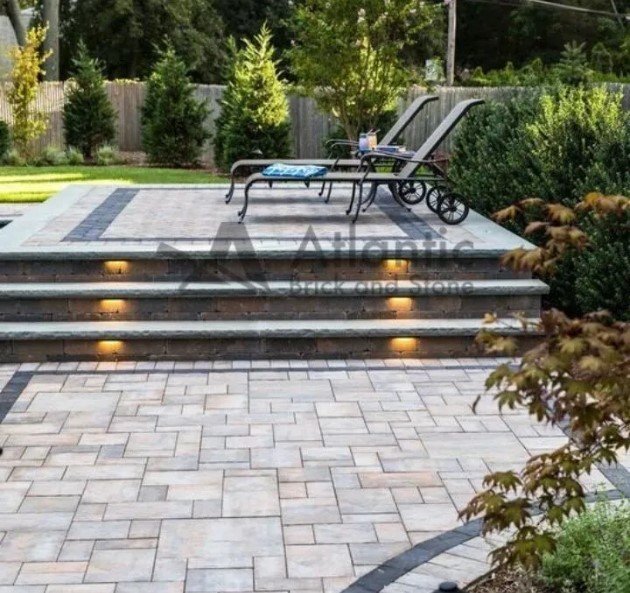
Making the Right Choice – Pavers or Concrete for Your Patio When planning to build or renovate your patio, one of the most important decisions you will need to make is whether to use patio pavers or poured concrete. Both options come with their own unique advantages and considerations. In this article, we will provide an in-depth overview of pavers and concrete, including their definitions, installation processes, pros and cons. We’ll also directly compare the two materials to help you determine which is the best choice for your specific needs and circumstances. Basics of Patio Pavers Patio pavers are individual stone or concrete units that are laid close together to form a durable, customizable patio surface. These pavers are man-made or natural stone units that are generally rectangular or square in shape. Common paver materials include concrete, clay, brick, granite, limestone and slate. The units lock together but still allow for flexibility and movement. Individual pavers typically range in size from 4 to 12 inches. Types of Pavers Brick pavers are tapered clay or concrete units that mimic the look of traditional brick. They are one of the most popular and affordable paver options. Concrete pavers are rigid interlocking pieces that come in a variety of earth tone colors and surface textures. They are very durable and cost effective. Natural stone pavers use materials like limestone, granite and slate to create a luxurious, elegant appearance. Though more expensive initially, stone pavers can gain value over time. Installation Patio pavers are installed over a prepared gravel base and edged with border materials like concrete, masonry or wood. The individual pavers are precisely laid out and fit tightly together. Joint sand is swept into the cracks and gaps to further lock the pavers in place. Benefits of Using Patio Pavers Ultimate Design Flexibility Patio pavers come in a wide variety of colors, shapes, sizes, textures and styles. This allows you to create a completely customized look for your space. You can lay out intricate patterns, logos, borders and artistic designs. Defined Drainage Joints The narrow spaces between each paver piece allow water to flow through rather than pooling on the surface. This prevents ice buildup, flooding, and other issues in wet weather. Prevent Shifting and Cracking Individual pavers do not shift together like a single poured slab. This means your patio surface will remain intact and escape the settling and cracking issues that concrete can experience over time. Modular Repairs If any paver piece becomes damaged, loose or worn out, it can be easily replaced without disturbing the entire patio. Simply remove the problem piece and insert a new matching unit. Long Lifespan When properly installed and maintained, a paver patio can outlast concrete by decades since repairs are made piece by piece rather than replacing large sections. This saves significant costs over the lifetime of your patio. Drawbacks The installation process for pavers tends to be more labor intensive than poured concrete. Initial material and labor costs are also often higher for pavers. Over time, weeds can grow in the joints if not properly sealed which requires ongoing maintenance. Cracking or settling is also possible if the base layer is not adequately compacted. Basics of Concrete Patios While patio pavers are a modular alternative, concrete is commonly poured into a continuous, seamless surface for patios and other hardscaping projects. A concrete patio also called cement patio consists of a cement mixture that is combined with coarse and fine aggregates like sand and gravel. It is traditionally poured and finished as a solid, flat-grey slab. Concrete dries to form a very hard, durable surface. Concrete Patio Types Stamped concrete patios are imprinted with a textural pattern or design while wet using molds and stamps. Exposed aggregate concrete reveals stones within the mixture after the slab is finished, creating a textured, natural appearance. Colored concrete involves adding mineral oxide pigments that permanently dye plain concrete in numerous shades. Installation The installation process for concrete typically involves excavating and grading the base, installing reinforcement mesh, pouring the concrete mixture, smoothing and finishing, then allowing it to fully cure. Edge materials like masonry or concrete curbs are also added. Benefits of Using Concrete Patios Extreme Durability Concrete forms an incredibly strong and hardened surface that can withstand decades of use with minimal deterioration. Low Maintenance Once installed, concrete requires little ongoing care. It won’t shift, crack or pull away like other materials so there’s no repair costs over time. Retains its Flatness The uniform slab structure prevents dipping, rolling or doming over the years. The surface will stay smooth and level. Less Preparation than Pavers Laying concrete eliminates the need for a complex gravel base layer, instead the material is simply poured directly over a compacted soil layer. Faster Installation There’s no measuring, cutting or placing of individual pieces. Concrete contractors can pour an entire patio in just one day after site preparation. Simplicity As a single poured slab, concrete provides an easy, seamless solution without the intricacies of cutting and fitting together paving stones. Drawbacks Over years, concrete cracks as it expands and contracts with temperature changes. Cracks allow weeds to take root and compromise the structural integrity. Repairs can involve replacing entire sections rather than individual pieces. The unyielding nature of concrete also restricts design possibilities compared to pavers. Pavers vs. Concrete Cost In terms of initial material costs, concrete is generally cheaper due to requiring less individual pieces. However, when including labor costs, pavers installations often have a competitive price point. Maintenance costs tend to even out between the options over time. Durability and Maintenance Both concrete and pavers create solid, durable patio surfaces. However, concrete is prone to cracking while defined paver joints better resist shifting. Weeds grow in cracks but pavers allow for replacement of damaged units. Proper sealing reduces ongoing upkeep of pavers’ sand-filled joints. Flexibility in Design While a monolithic concrete slab is uniform, pavers enable intricate patterns, custom borders and artistic flair. Their modular nature facilitates

Paver Driveway Benefits vs Asphalt
Uncategorized

Paver Driveway Benefits vs Asphalt – Which Provides More Value?

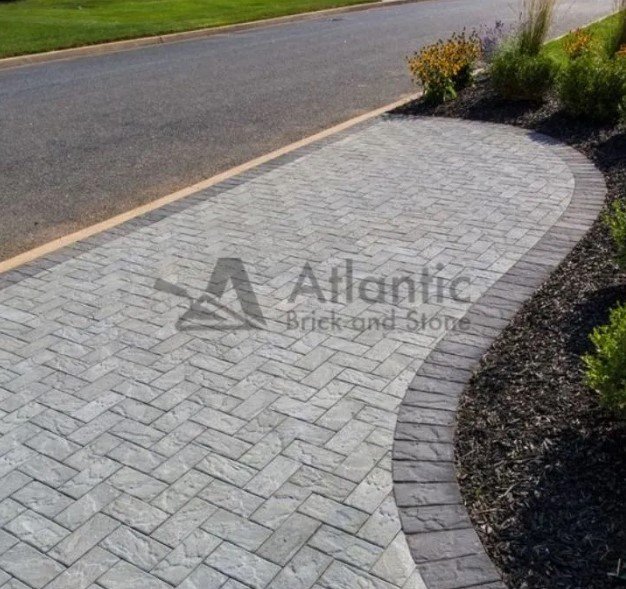
Paver Driveway Benefits vs Asphalt – Which Provides More Value? Imagine pulling up to your home, where the entrance is not just a driveway but a statement of elegance and durability. This is the promise of a paver driveway, a choice that reflects not only your style but also a wise investment in your home’s future. As we navigate the path between paver driveways and their asphalt counterparts, let’s discover why opting for pavers could be the best decision for your home’s aesthetics and value. Paver Driveways Paver driveways are the quintessence of curb appeal, a blend of beauty and resilience. They are composed of individual pieces—be it clay, concrete, or natural stone—each contributing to a driveway that’s as unique as your home. The choice of material in paver driveways is a testament to their versatility. Concrete Pavers Offers a spectrum of hues for every palette. Shapes and sizes to fit any design scheme. Clay Pavers Classic charm for a timeless appearance. Natural color that endures through the years. Natural Stone Pavers Brings the beauty of nature to your home’s entrance. Unique textures that elevate curb appeal. Each material choice is more than just a practical surface; it’s an integral component that contributes to the overall character and aesthetic of your home. Design and Aesthetic Value The design possibilities with paver driveways are endless. From intricate interlocking patterns that speak of modern sophistication to rustic cobblestone designs that whisper tales of old-world charm, paver driveways are a canvas for personal expression. Advantages of Paver Driveways Durability and Strength Paver driveways are renowned for their endurance. They are designed to withstand not just the weight of your vehicle but the test of time. The interlocking nature of pavers allows them to flex with the earth’s movements, resisting cracks that asphalt driveways often succumb to. Easy Repairs The modular design of paver driveways is a boon when it comes to repairs. A cracked or damaged paver can be easily replaced without leaving a trace, ensuring that your driveway always looks impeccably maintained. Design Flexibility Paver driveways are the chameleons of the driveway world. They can adapt to any home style, from victorian elegance to contemporary chic, making them the perfect choice for those who view their driveway as an extension of their home’s personality. Disadvantages Cost Factor The initial investment for a paver driveway is higher than that of an asphalt driveway. However, this cost is mitigated by the longevity and reduced maintenance needs of pavers, making them a cost-effective choice in the long run. Maintenance Requirement Paver driveways do require some upkeep to maintain their beauty. Regular cleaning and re-sanding of joints are necessary, but these tasks are minimal compared to the extensive resurfacing required by asphalt driveways. Asphalt Driveways Asphalt driveways are the traditional choice for many homeowners. They are known for their quick installation and cost-effectiveness, offering a straightforward, no-frills approach to driveway design. Asphalt is a composite material made of aggregates bound together with bitumen. It’s laid in layers and compacted to create a solid, flexible surface that can withstand temperature fluctuations and heavy use. Design and Aesthetic Value While asphalt provides a smooth, uniform surface that has its own sleek appeal, it lacks the variety and customization options that paver driveways boast. Asphalt is the canvas of choice for those who prefer simplicity over statement. Advantages of Asphalt Driveways Cost Beneficial Asphalt is the budget-friendly option for driveway paving. It’s a practical choice for anyone who prioritize initial savings over long-term value. Rapid Installation The quick installation process of asphalt driveways is a significant advantage, reducing the inconvenience and getting your driveway ready for use almost immediately. Weather Resistant Asphalt’s ability to expand and contract without cracking makes it a reliable option for areas with fluctuating weather conditions, ensuring a durable surface year-round. Disadvantages Regular Resurfacing Asphalt driveways require regular maintenance. Sealing and resurfacing need to be applied every few years to keep the driveway in good condition, which can add up in terms of cost and effort. Vulnerable to Extreme Heat Asphalt can soften in high temperatures, leading to ruts and grooves. This vulnerability means that in hotter climates, asphalt driveways may need more frequent repairs to maintain a smooth surface. Paver Vs. Asphalt Driveways Cost While asphalt may seem like the economical choice initially, the long-term benefits of paver driveways—with their minimal maintenance and longer lifespan—often present a more value-packed proposition. Lifespan Paver driveways are champions of longevity. Properly installed, they can grace your home for generations, while asphalt driveways, despite their resilience, tend to have a shorter lifespan and higher maintenance demands. Looks Battle Paver driveways take the lead in aesthetics and design versatility, offering homeowners the chance to elevate their property’s curb appeal and potentially its market value. Maintenance and Repair The ease of maintenance and repair of paver driveways is unmatched. Unlike asphalt, which requires periodic resurfacing, pavers need only occasional cleaning and joint re-sanding, simplifying upkeep. Which Provides More Value? Initial Investment vs Long Term Benefit The upfront cost of a paver driveway is an investment in your home’s future. The long-term benefits—durability, ease of repair, aesthetic appeal—far outweigh the initial expense, especially when compared to the ongoing maintenance costs associated with asphalt driveways. Impact on Property Value A paver driveway can significantly enhance your home’s curb appeal and, by extension, its resale value. It’s a tangible upgrade that can pay dividends if you decide to sell your home. What to Look When Choosing the Type of Driveway? Climate Condition In regions with severe weather like Fredericton NB, the resilience of paver driveways makes them a superior choice, capable of withstanding the rigors of both frost and heat without losing their integrity. Use and Anticipated Wear and Tear For areas that will see a lot of traffic or heavy loads, the robustness of pavers makes them the ideal candidate, ensuring a driveway that remains unflappable in the face of daily use. Personal Taste and Design Preference For those who view

Issues with Brick Fireplaces
Uncategorized

Common Issues with Brick Fireplaces and How to Fix Them

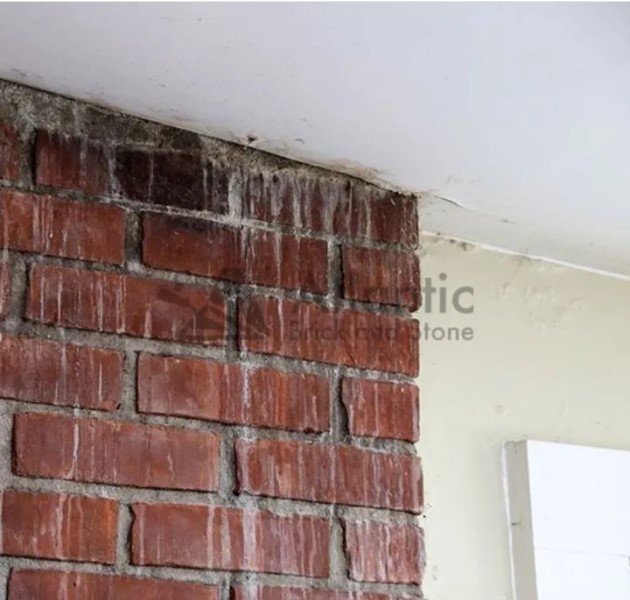
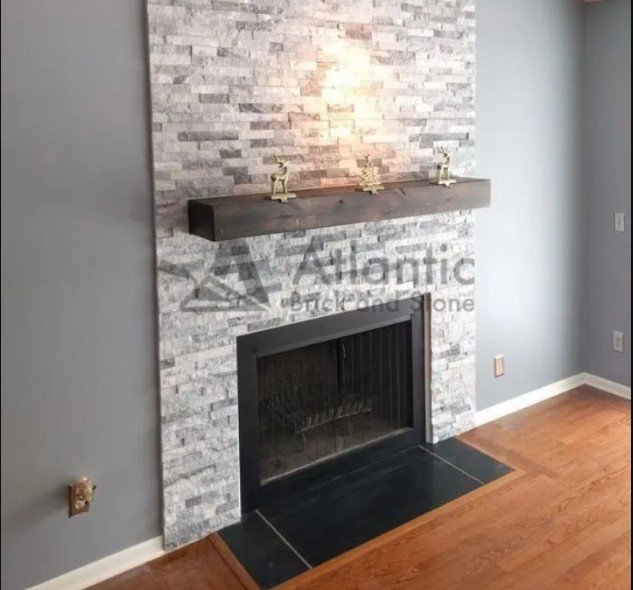
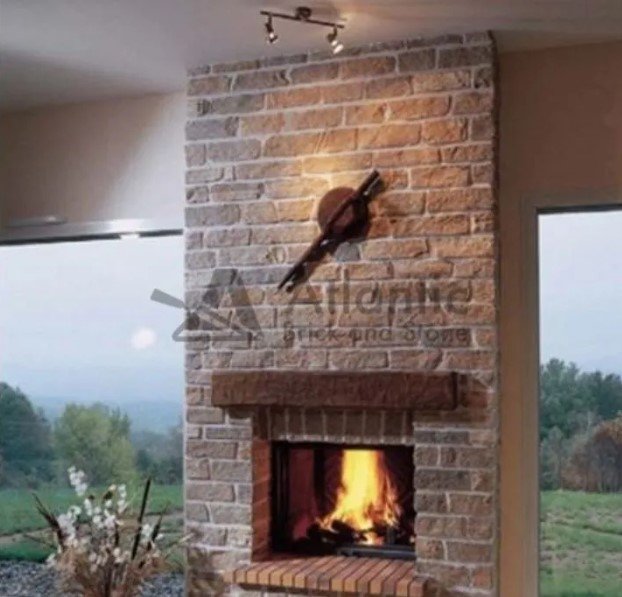
Common Issues with Brick Fireplaces and How to Fix Them Brick fireplaces are a classic aspect of home design and can add grandeur and warmth to any living space. However, as fireplaces age over time, they can begin to develop problems that negatively impact function and aesthetics if not properly addressed. This article will discuss some of the most common issues brick fireplaces face such as cracking, leaking, creosote buildup and flue problems. We will explore the underlying causes for these issues and provide solutions for repairing or preventing them. Whether you have a newly built fireplace or one that has stood for decades, the following information will help you keep your masonry fireplace in top operational and visual condition for longer time. Why Brick Fireplace Maintenance is Important? Maintaining your brick fireplace is important for several reasons. Firstly, it ensures the safety of your home and family. Cracks or damage in the bricks or mortar can lead to dangerous situations, such as fire hazards or carbon monoxide leaks. Regular maintenance also helps to prolong the lifespan of your fireplace, saving you money in the long run. A well-maintained fireplace also contributes to the overall aesthetic appeal of your home, making it a welcoming space for family and friends. Ignoring small problems can lead to bigger, more costly issues in the future. For example, minor cracks in the mortar can quickly expand, leading to loose bricks and structural instability. This not only increases the risk of a hazardous situation but also makes the repair process more complex and expensive. Addressing issues as soon as they arise is crucial in preventing further damage and ensuring the longevity of your brick fireplace. Common Problems with Masonry Fireplaces Brick fireplaces are susceptible to a range of issues, from mortar damage and creosote buildup to smoke drafting problems and heat damage. Each of these issues requires a specific approach to repair and prevent future occurrences. Let’s take a closer look at each of these common problems and explore how to address them effectively. 1. Brick Mortar Damage Mortar damage is a prevalent issue in brick fireplaces. It can occur due to various factors, including age, weather exposure, and regular use. When the mortar starts to crack or crumble, it can lead to loose bricks and compromise the structural integrity of the fireplace. 2. Creosote Buildup Creosote is a byproduct of wood burning and can accumulate on the inner walls of your chimney. Over time, this buildup can become a significant fire hazard and affect the performance of your fireplace. 3. Smoke Drafting Problems Proper smoke drafting is crucial for the efficient operation of your brick fireplace. Issues such as blockages or structural problems can lead to smoke entering your home, creating a health hazard and an unpleasant living environment. 4. Loose Bricks Loose bricks in your fireplace can be a result of mortar damage or external impact. They pose a safety risk and can also affect the appearance of your fireplace. 5. Staining and Discoloration Stains and discoloration on your fireplace bricks can be caused by smoke, soot, or water damage. These issues can detract from the overall look of your fireplace and require specific cleaning methods to address. 6. Heat Damage Excessive heat from your fireplace can lead to damage in the bricks and mortar, causing them to crack or deteriorate over time. This not only affects the appearance of your fireplace but also its functionality. Brick Mortar Damage – A Major Issue Brick mortar damage is a common issue that can lead to a range of problems if not addressed promptly. The mortar acts as a binding agent between the bricks, providing stability and support. Over time, exposure to the elements and regular use can cause the mortar to deteriorate, leading to cracks and gaps. Signs of Mortar Damage Visible Cracks or Gaps in the Mortar: One of the most apparent signs of mortar damage is the presence of cracks or gaps. Over time, exposure to the elements and the natural settling of your home can cause the mortar to crack. Loose Bricks: If the mortar is significantly damaged, it may no longer hold the bricks in place securely. Loose bricks can be a safety hazard and may also affect the structural integrity of your fireplace. Crumbling Mortar: The mortar may start to crumble and deteriorate due to age, weather exposure, or poor installation. How Professionals Fix Mortar Damage Repairing brick mortar damage is a delicate process that requires precision and care. Here’s a step-by-step guide on how professionals tackle this issue: Remove Damaged Mortar: Carefully remove the damaged mortar from the joints using a masonry chisel and hammer. Clean the Joints: Clean out the joints to remove any remaining debris. Mix New Mortar: Prepare a batch of new mortar, ensuring it matches the existing mortar in color and consistency. Apply New Mortar: Use a pointing trowel to apply the new mortar to the joints, pressing it in firmly for a secure bond. Smooth the Joints: Smooth out the joints to create a uniform finish. Clean Excess Mortar: Remove any excess mortar from the bricks for a clean finish. Cure the Mortar: Allow the mortar to cure properly. Tips on Maintaining Brick Mortar Regular Inspections: Conduct regular inspections of your brick fireplace, looking out for signs of damage or wear. Prompt Repairs: Address any issues as soon as they arise to prevent further damage. Proper Cleaning: Clean your brick fireplace regularly with appropriate cleaning products. Seal the Bricks: Consider applying a sealer to the bricks and mortar to protect them from the elements. Dealing with Creosote Buildup Creosote is a tar-like substance that forms when wood is burned incompletely. It can build up on the inner walls of your chimney and fireplace, creating a significant fire hazard. The buildup of creosote requires regular cleaning to prevent. How to Clean Creosote Buildup? Cleaning creosote buildup is best left to professionals who use specialized equipment and techniques to ensure safety and thoroughness. Remedying

Maintaining Brickwork When to Consider Acid Washing
Uncategorized

Maintaining Brickwork – When to Consider Acid Washing

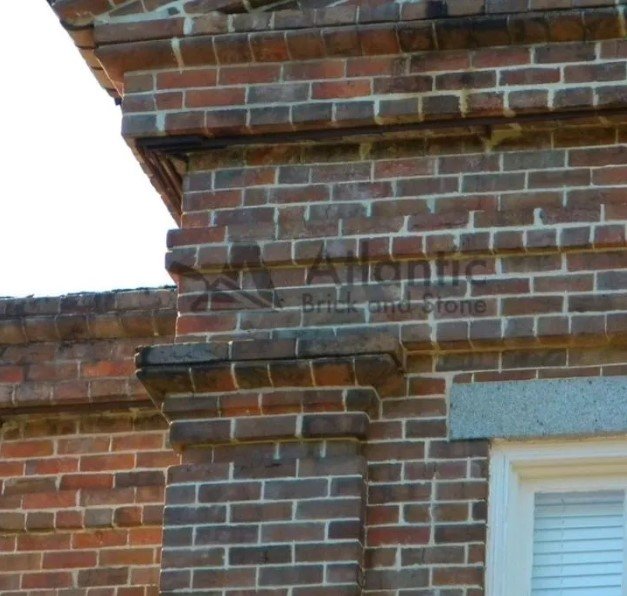
Maintaining Brickwork – When to Consider Acid Washing Brick is a classic building material prized for its durability and aesthetic appeal. However, over decades of exposure to the elements, brick facades can accumulate stubborn deposits that resist routine cleaning methods. One powerful technique to restore bricks to like-new condition is acid washing, but when is it truly necessary and how can it be done safely? This article will explore the ins and outs of acid washing brickwork, including tips to determine whether it’s the right approach and professional best practices for application. Brickwork Explained Brick has been used in construction for centuries due to its durability and aesthetic appeal. However, over time brick can become damaged if not properly maintained. Let’s start with understanding the unique characteristics of brick to better appreciate why maintenance is important. Brick is made by shaping clay and firing it at extremely high temperatures, resulting in a hardened ceramic material. This process gives brick several qualities that make it suitable for structures. It is strong yet lightweight, resistant to fire and insects, and lasts for decades with minimal upkeep if cared for properly. The faces of brick are smooth while the cores contain spaces, making brick porous but not in a way that allows moisture penetration. Brick varies slightly in color, size, and texture, contributing to the natural aesthetics that many property owners find attractive. However, this porous characteristic also requires diligent maintenance to prevent damage over the years from elements like weather and pollution. When left unchecked, issues like cracks, spalling, and efflorescence can diminish a brick facade’s curb appeal and structural integrity. Making the effort to identify early warning signs and address problems proactively helps preserve brickwork investment. Causes of Brick Damage There are various common issues that can arise with brickwork if not maintained properly: Efflorescence Efflorescence involves a white powdery residue that surfaces on the masonry and mortar joints when moisture passes through the brick, dissolving soluble salts. It is usually caused by excess absorbed moisture but is easily removed. Spalling Spalling means the surface or face of the brick starts to crumble or flake off. This is often due to freezing and thawing of moisture that has penetrated cracks or pores in the brick over time. Cracking Cracking is inevitable with age but could indicate structural concerns if severe or spreading. Both spalling and cracking leave the underlying brick unprotected if not addressed promptly. While natural causes like weather play a role, pollution from auto and factory emissions can also negatively impact brick over the long run. Acid rain accelerates the chemical breakdown of brick surfaces and mortar. Misconceptions about the durability of brick can also lead some to neglect routine cleaning and maintenance, hastening deterioration. Regular inspection helps avoid this. What is Acid Washing? Acid washing is an effective method for deep-cleaning brick to remove stubborn stains and restore its pristine condition. It involves applying a weak acid solution, usually 10 parts water to 1 part muriatic acid. Muriatic acid or hydrochloric acid is recommended for masonry cleaning as it safely dissolves mineral deposits, mortar smears, and other buildup that regular soap and water cannot break down. The diluted acid is applied with a brush and allowed to dwell briefly before thoroughly rinsing off with a garden hose or pressure washer. This process dissolves years of dirt and residue by reacting with and neutralizing alkaline minerals deposited on the surface. After several rinses, the area should be completely clean with no lasting acid damage if done properly. What is the Right Time for Acid Washing? Acid washing may be necessary in scenarios such as: Heavy accumulation of stubborn stains, particulates, or mineral deposits that resist basic soap and water cleaning methods. Unsatisfactory results after multiple attempts with non-acidic masonry cleaners. Prior to applying a waterproofing brick sealer or restorative coating to ensure proper surface preparation. However, it is crucial not to over-apply acid washes, as too frequent use can eventually etch away some of the protective glazed surface on fired brick. It should also be avoided if there are visible cracks or defects in the brick, as acid penetration could worsen structural issues. Hiring a Professional for Brickwork Acid Wash While DIY attempts can work in some cases, professional masonry contractor have advantages. They have extensive experience prepping, applying, and rinsing acid solutions, minimizing safety risks. Professionals also use commercial strength acids and equipment for faster, deeper cleaning and are skilled in disposal of corrosive rinse water according to EPA guidelines. The Acid Washing Process Here are the typical steps professionals follow to safely acid wash brickwork: Cover surrounding landscape, windows, and other surfaces with tarps or drop cloths for protection from splashes. Saturate the brick surface with clean water from a pressure washer or hose to prevent the acid from being absorbed too deeply. Mix acid solution of 1-part muriatic acid to 10 parts water in a bucket according to surface area to be cleaned. Apply solution generously using a medium psi pressure washer, acid brush, or pump sprayer. Allow to dwell for 5-10 minutes. Scrub stubborn spots with an acid brush and rinse thoroughly until water runs clear. Repeat if needed. Rinse the entire surface fully 2-3 times with clean water at pressure over 2000 psi. Inspect for any remaining acid residues and rinse again if needed before removing tarps. Professional Help vs DIY For some low-risk cleaning jobs, a DIY approach may seem appealing to save costs. However, there are also advantages to leaving acid washing in professional hands: Safety is the number one concern with acids and pressure equipment. Even with protective gear, DIY risks exposure due to inexperience. Professionals achieve better results with agitation and high-pressure rinsing, using commercial tools unavailable to homeowners. Liability issues arise if property damage or health issues occur from improper handling, storage, or disposal of hazardous chemicals at home. Time – pros complete jobs more efficiently without multiple tries. In some mild cases, DIY could work if following

Hardscape vs Landscape
Uncategorized

Hardscape vs Landscape – Key Differences Explained

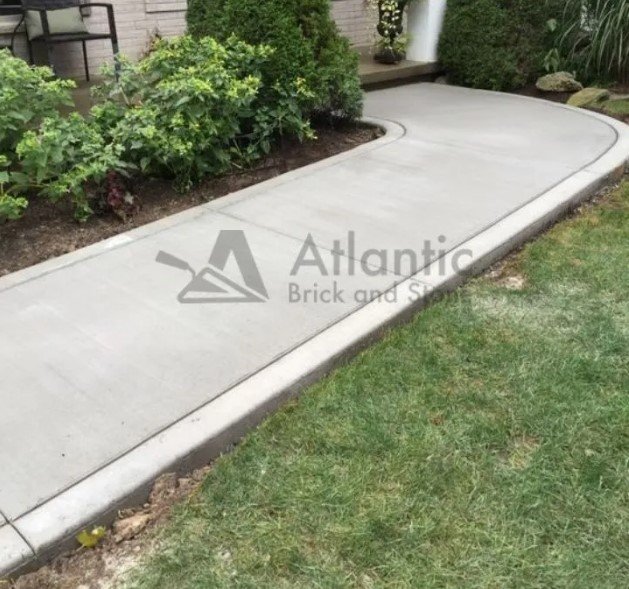
Hardscape vs Landscape – Key Differences Explained Creating beautiful and functional outdoor spaces requires balancing various elements for optimal form and function. Hardscapes provide enduring structures while landscapes integrate living plants into designs. But what exactly distinguishes these elements and how can they best complement one another? This article explores the key differences between hardscape and landscape components. It provides best practice tips on thoughtfully combining the two for maximum enjoyment and curb appeal of any exterior area. Read on to learn how to skillfully blend hardscapes with landscapes. What is Hardscape Construction? Hardscape refers to the non-living elements in your outdoor space that are used to enhance the design and function. Some of the most common hardscape elements you will come across include patios, walkways, driveways, and retaining walls. These man-made structures are usually made from durable materials like concrete, brick, stone, or interlock that won’t change or evolve over time. Some key benefits of using hardscaping are increased living space outside the home, drainage and runoff control, and curb appeal that can boost property values. Choosing high-quality materials and proper installation are important for hardscaping elements to withstand the test of time. Types of Hardscaping Elements Patios A patio is a flat surface that is commonly found in the backyard and used for outdoor living and entertainment areas. It can be a focal point and create an oasis within your yard. Materials like concrete or paver stones are often used for patios to withstand weathering from the elements. Walkways Also called pathways that connect different areas of the landscape to the front door or the patio to the garden. Interlocking stone is a very popular material for building walkways because of its flexibility to be installed around curves or uneven surfaces. Driveways They are sloped surfaces located in the front or backyard that provide vehicular access from the road to the garage. Asphalt and pavers are the most common materials used for hard, durable driveways that can withstand the weight of cars. Retaining Walls These are structural elements installed to hold or prevent earth from sliding on an inclined area. Common retaining wall materials are concrete, stone, or wood, and they add architectural design elements to the landscape. Pro-Tips for Hardscaping When planning hardscaping projects, use high-quality, long-lasting materials installed by professionals for optimal results. Consider the landscape design, natural grading, and water drainage. Quality compaction and foundations are important as well. Regular maintenance keeps hardscapes looking their best. What is a Landscape Project? Landscape, also called softscape, refers to the living and soft elements that form the natural setting surrounding a home. This includes plants, trees, flowers, shrubs, and ground covers. A quality landscape consists of the thoughtful placement of different shrubs, perennials, trees, and other greenery. Unlike hardscapes, landscapes are living elements that change colors and appearances with the seasons. Different Elements of Landscaping Grass A living ground cover providing an open lawn area. Needs regular mowing and watering. Trees Organic elements adding shade and scale. Come in many varieties. Flowers Colorful seasonal plants boosting garden appeal. Require weeding and pruning. Bushes Woody greenery offering privacy or edging beds. May need trimming and pest control. Key Tips for Good Landscaping Consider the landscape design and placements for optimal functionality and visual balance. Incorporate a mix of flowering, foliage, coniferous and deciduous plant varieties. Choose species suitable for your climate and sunlight conditions. Proper irrigation, weeding, pruning, and pest control help maintain landscapes. Landscape and Hardscape Combo for a Balanced Outdoor Space By thoughtfully incorporating both hardscaping and landscaping elements, homeowners can create cohesive outdoor spaces that are both functional and beautifully designed. Hardscaping serves to define areas for activities through elements like patios, firepits, and seating areas. Meanwhile, landscaping brings natural depth, visual interest, and seasonal colors. Some inspiring design examples show hardscape pathways deliberately placed to guide movement between landscape vignettes featuring different groupings of trees, shrubs, and planting beds. Well-designed water features like ponds or fountains become focal points enveloped by billowing greenery. Privacy and definition are established through purposeful juxtaposition of hardscape borders complemented by softscape infill like hedges and groundcover. Benefits of Combining Hardscape and Landscape Creates Cohesive Outdoor Spaces – Thoughtfully incorporating both elements results in aesthetically pleasing and functionally balanced outdoor areas. Defines Space While Adding Natural Beauty – Hardscapes provide structure and pathways between activity areas, complemented by lush vegetation in landscapes. Maximizes Outdoor Enjoyment – The mix encourages exploration and appreciation of the space with smooth transitions between areas. Enhances Curb Appeal and Property Value – An integrated design optimizes usable space and blends permanent fixtures with living plants. Provides Functionality and Low Maintenance – Hardscapes ensure longevity while gardens thrive, balanced by maintenance between surfaces and planting beds. Guidelines for Achieving a Good Balance Consider flow and focal points in design. Choose complementary materials. Allow sufficient room for landscape growth. Address maintenance needs. Install high-quality hardscapes befitting the environment. Have a professional design and install for optimal form and function over time. Hiring Professionals to Design Your Outdoor Space in Fredericton For homeowners looking to install high-quality hardscaping fixtures like interlocking paver patios, granite walkways, or paver driveways, hiring experienced professionals is a wise investment. Those based in Fredericton, New Brunswick bring experience designing and building durable, low-maintenance systems tailored for our climate. Atlantic Brick and Stone is a highly trusted hardscaping company with decades serving the Fredericton area. Specializing in patio, walkway, and paver driveway installations, our team expertly guides projects from concept to completion. We are proficient at installing top brands of concrete pavers and stone materials in both traditional and custom patterns. When you hire Atlantic Brick and Stone’s professional hardscapers, your hardscape installation gains the advantage of precise excavation, compaction, and leveling techniques perfected through experience in Fredericton’s unique soil conditions. Contact us today to discuss creating your dream patio, walkway, or driveway – Our services are renowned as the best for projects in Fredericton. In Summary Hardscaping refers to non-living elements

Chimney Needs Repointing Immediately
Uncategorized

Signs Your Chimney Needs Repointing Immediately

Signs Your Chimney Needs Repointing Immediately Your chimney plays an important supporting role in your home, but it requires regular maintenance to remain safe and functional over the years. As the structural element that carries exhaust gases safely away, a chimney’s integrity is paramount. However, constant exposure to weather, seasonal temperature fluctuations, and airborne debris inevitably degrade the mortar binding the masonry over time. This is why periodic chimney inspections to check for any signs repair may be needed. This article will explain how to spot when repointing is required to refresh your chimney again. We will also explore the repercussions of neglecting remedial work and best practices to maximize your chimney’s service life. Chimney Repointing Explained Repointing is the process of removing old, damaged mortar from between the bricks of a chimney and replacing it with new mortar. Mortar is the key element that binds the individual bricks together and protects the inner structure of the chimney from water damage, wind, and weathering over time. Just as the grout between tiles in your home needs periodic replacement, so too does the mortar in a chimney as it continues to break down with age and exposure to the elements. Repointing restores the protective barrier and strengthens the overall integrity of the chimney. The mortar acts as a binder and sealant. As it weathers over decades, the chemicals that provided adhesive strength and water resistance gradually degrade. Moisture is then able to penetrate tiny cracks or voids in the failing mortar. Repeated exposure causes further erosion that can eventually loosen entire bricks. Repointing re-establishes the intact bond line and weather-resistant properties of fresh mortar to shield the chimney structure once more. Repointing Process Chimney repointing is a multi-step process that requires careful tools and techniques. A masonry professional will first perform a thorough visual inspection, examining each face of the chimney from roof to foundation. They are trained to detect subtle signs of deterioration not obvious to the untrained eye. Using a hammer, they may gently tap various areas and listen for a hollow sound indicating voids behind the mortar joints. After determining which joints need work, the chimney is prepared through cleaning. Brick faces are thoroughly swept while areas of loose brickwork are repaired. Specific masonry tools are then used strategically to excavate failed mortar. Removal must be complete down to the base of the joint, yet avoid denting or damaging surrounding bricks which would compromise the new work. Time & Chimney Conditions Though every chimney is unique, most will require repointing somewhere between 20-50 years after original construction or the last repointing. However, environmental conditions like harsh weathering can significantly hasten mortar deterioration. Proximity to the ocean subjects chimneys to saltwater exposure that is exceedingly corrosive. Additionally, new construction nearby may unintentionally direct more water runoff towards vulnerable areas during rainstorms if drainage is inadequate. Thermal shocking from frequent lighting of a fireplace also contributes incremental stress that weakens mortar over decades of use. An otherwise well-built chimney located in a very hot and humid climate will likely need repointing more often than a similar chimney in a dry, temperate zone with less moisture and less temperature fluctuations. These variable site factors must always be considered alongside a chimney’s age when determining its need for repointing. Signs Your Chimney Needs Repointing Brick Condition Loose or dislodged bricks indicate a serious degree of underlying mortar failure has already occurred. Not only does this allow water to penetrate deeper, but it also compromises structural integrity by disrupting load transfers between masonry units. As more bricks wiggle and pop free with gentle pressure, the risk of a dangerous collapse increases substantially if not promptly addressed with repointing. Even isolated loose bricks must be re-set and securely bonded during the process to restore continuous load-bearing capacity across the entire chimney wall thickness. Cracks and Holes Close visual examination often reveals hairline fractures radiating out from mortar joints where none were evident before. These “warning cracks” signal unseen voids or debonding taking place behind the scenes. Overshadowed brick areas especially need scrutiny since cracks tend to form here first in the absence of direct sun exposure. It’s also common to find old chimneys where repointing was done inconsistently, leaving thin vertical or horizontal cracks running between different eras of patchwork. These cracks facilitate water intrusion and air passage that drives further deterioration if not sealed completely during remedial work. Missing or Crumbling Mortar Beyond just surface dirt that washing can remove, failing mortar will actually flake or powder away with gentle scratching. Applying light pressure from a key or screwdriver tip against various joints may cause crumbly or loose mortar to dislodge completely. Its former place will be occupied by a recess exposing the raw edges of brick. Such extensive surficial disintegration renders the mortar’s moisture-resistant properties null while allowing water to track deeply into the wall assembly. Consequences of Neglecting Chimney Repointing Without an intact mortar barrier, cracks will expand and new ones may emerge as water penetration causes bricks to loosen and weaken. Further deterioration can compromise the chimney frame. Cracks allow embers and creosote or lint buildup to penetrate behind bricks, making the structure more combustible. Loose bricks may also obstruct the flue, increasing fire risk within both the chimney and home. Mortar failure can obstruct ventilation and cause hazardous gases like carbon monoxide to re-enter the home rather than exiting safely through the chimney. The longer repointing is postponed, the more extensive the deterioration will become. Advanced structural issues may require expensive repairs in addition to repointing the entire chimney. Preventative repointing saves significant costs. Why Professional Assessment is a Must Only a trained mason can thoroughly inspect for all signs of hidden mortar failure such as loose bricks detected through steady tapping. They know exactly how to properly repoint, including matching any Flemish or English joint profiles appropriate for the architectural period. Professionals also understand the individual characteristics of various brick types common to different eras of construction.

Common Mistakes to Avoid When Installing Interlocking Driveway
Uncategorized

Common Mistakes to Avoid When Installing Interlocking Driveway

Common Mistakes to Avoid When Installing Interlocking Driveway Installing interlocking driveway pavers is a significant investment that homeowners want to last for many years with minimal maintenance. While hiring professional contractors is usually the best approach, it’s still valuable for homeowners to understand some potential problem areas. Being informed allows homeowners to have important discussions upfront and ensure the project is completed properly from the start. This comprehensive guide details key factors to address throughout the process. Interlocking Pavers for Driveway Interlocking concrete pavers are a smart choice for hardscaping driveway surfaces. The interconnecting modular units, made of heavy-duty concrete or natural stone, lock solidly together through lugs or pegs on the bottom. This creates a stable yet flexible driveway material that can be laid in various patterns. Beyond substantial curb appeal, these pavers are also very sustainable for withstanding vehicular traffic long-term in an environmentally-friendly way. However, there are some crucial factors installers must carefully address, like preparation, materials used, and drainage, to guarantee an interlocking concrete driveway built to last for many decades with minimal maintenance. Common Mistakes to Avoid Mistake 1: Not Properly Preparing the Base A stable and level subsurface is crucial yet often neglected. The foundation of any quality paving installation requires careful preparation and compaction of an ample gravel base, usually at least 6 inches thick. Base requirements will vary depending on local building codes and application, but ensure contractors specify plans that guarantee stability without settling. Ask questions if preparations seem inadequate. Mistake 2: Wrong Choice of Pavers Driveways experience significant weight from vehicles daily. Choosing units not rated for vehicular loading risks premature cracking or failure. Lighter pavers may seem cheaper but could need replacing, negating savings. Carefully research options and confirm proposed materials can withstand projected wear. Mistake 3: Inadequate Drainage Planning Even experienced installers sometimes overlook this critical factor. Without proper grading for runoff or a robust subsurface drainage system, water penetrating underneath can lead to issues like cracks from freeze-thaw cycles, shifting pavers, or dirt intrusion. Poor drainage solutions may seem sufficient but lead to future problems. Evaluate proposals closely. Mistake 4: Laying Pavers Incorrectly While professionals use proper tools, simple mistakes still occur, like inconsistent spacing, poor edging attachment, lack of vibratory compaction, or failing to follow recommended installation methods. Request documentation of specific planned techniques to ensure optimal structural integrity and aesthetics. Improper installation outweighs other errors. DIY Vs Professional Installation While tackling a DIY paving project may seem like a way to save money, there are risks involved when attempting an installation without professional experience and proper equipment. It’s easy for a homeowner to improperly prepare the base, choose the wrong paver type, lay the pavers unevenly, or inadequately compact the finished surface. These mistakes can compromise the structural integrity and long-term performance of the paving, potentially resulting in cracking, shifting, and premature failure that requires replacement. Opting to hire a reputable local paving installation company provides significant advantages over an amateur DIY attempt. Experienced hardscape contractors have extensive knowledge of paver types, base preparation techniques, slope and drainage requirements, and proven methods for careful installation. They also have the proper heavy machinery required, such as plate compactors. This ensures your paving project will meet design specifications and compliance standards for your local building codes. Professionally installed pavers are engineered to last for decades with minimal maintenance. Hiring a Professional Hardscape Contractor in Fredericton Atlantic Brick and Stone is a top-rated masonry and hardscaping contractor based in Fredericton, New Brunswick. In business for over 15 years, our experienced team specializes in various hardscaping installations, including patios, walkways, and driveways constructed with interlocking concrete pavers. We take pride in our meticulous approach to project prep work, installation, and the highest quality, long-lasting results. Homeowners can rely on Atlantic Brick and Stone’s craftsmanship and extensive expertise when considering any hardscaping project. Contact our experts today to inquire about free estimates for your paver installation needs. Atlantic Brick and Stone is dedicated to customer satisfaction and providing outstanding design projects that exceed expectations. More Information about Interlocking Pavers Driveway Why is Compacting the Base Important When Installing Interlocking Driveway Pavers? Compacting the base is important because it helps ensure a stable and level surface for the pavers. It helps prevent settling and shifting of the pavers over time. What is the Click-and-Drop Method When it Comes to Installing Interlocking Driveway Pavers? The click-and-drop method is a technique used for installing interlocking driveway pavers. It involves aligning the edges of the pavers and then dropping them into place, creating a tight and secure bond. What are the Advantages of Using Concrete Pavers for an Interlocking Driveway? Concrete pavers are a popular choice for driveways due to their durability, versatility, and aesthetic appeal. They are available in a wide range of colors, shapes, and sizes, and can be easily replaced if damaged. What is Bedding Sand and Why is it Important in the Installation of Interlocking Driveway Pavers? Bedding sand is a layer of sand that is placed between the base and the pavers during installation. It helps create a level surface for the pavers and allows for proper drainage and stability. What Factors Should I Consider When Choosing the Type of Pavers for My Interlocking Driveway? When choosing the type of pavers for your interlocking driveway, consider factors such as durability, style, color, and budget. Some popular options include concrete pavers, natural stone pavers like limestone or sandstone, and brick pavers. Get Your Interlocking Driveway Project Estimate Online Now! 506-304-0771 atlanticbrickandstone@gmail.com Request an Estimate

Concrete Walkway Maintenance checklist
Uncategorized

Concrete Walkway Maintenance – A Checklist for Homeowners

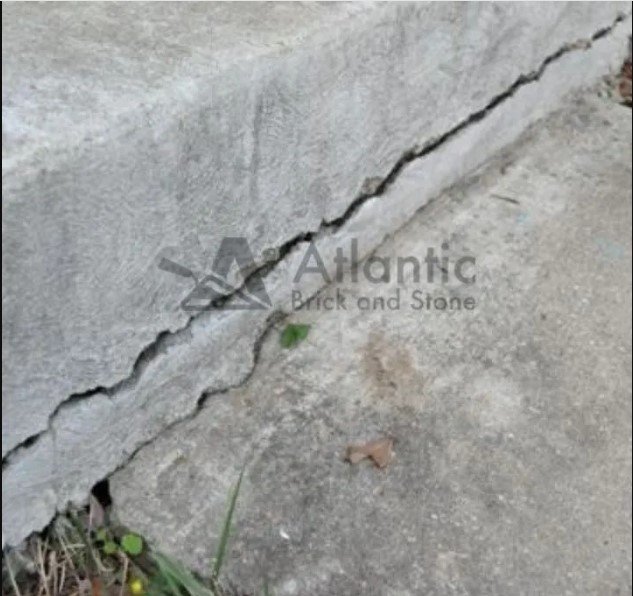
Concrete Walkway Maintenance – A Checklist for Homeowners As a homeowner, keeping your concrete walkway in good condition is important. A well-maintained walkway adds aesthetic appeal to your home’s exterior and ensures safety for you and visitors. However, many homeowners don’t pay attention to their walkways until issues arise. With some regular maintenance, you can avoid problems and extend the lifespan of your concrete walkway. Understand Your Concrete Walkway First You might think concrete is just a simple mix of cement, water, and aggregate, but it’s actually a complex blend. Additives like fly ash or silica fume can be included for strength, while others like calcium chloride can be added for quicker setting times. Knowing the exact components of your walkway can help you make informed decisions when it comes to maintenance. For example, if your walkway has a special finish, a power washer might be too harsh and could strip it away. Always consult your home maintenance checklist before choosing cleaning or repair products. Durability and Lifespan Concrete is a durable material, often boasting a lifespan of 30 years or more. But remember, it’s not indestructible. Factors like weather conditions, heavy loads, and even the type of salt you use in winter can affect its durability. Regular concrete maintenance is crucial to ensure your walkway stands the test of time. It’s not just about following a spring home maintenance checklist; it’s about consistent care year-round. Why Concrete Walkway Proper Upkeep Pays Off Just like you wouldn’t skip oil changes for your car, your walkway needs regular maintenance too. Small tasks like fixing cracks and reapplying sealant go a long way in extending its lifespan. Maintenance isn’t just about curb appeal – it’s also about support. Regular checkups help spot burgeoning issues before they’re costly to fix, saving you time and money in future. A minor crack may not seem like a big deal now, but leave it be and water damage could result, or worse, it may turn into a tripping risk. Letting maintenance lapse can also cause troubles with gutters and downspouts, leading to leaks that further harm the walkway. Always look out for signs of wear and address them promptly to keep things shipshape. Remember, first impressions matter, and your walkway is often the first thing people see when they visit. A well-maintained walkway not only adds to your home’s curb appeal but also increases its market value. Imagine what a potential buyer would think if they saw a cracked or stained walkway. It’s not just about looking good; it’s about making a lasting impression. Concrete Walkway Maintenance Checklist Regular Cleaning Over time, your walkway collects dirt, leaves, and debris from foot traffic. All that grime sitting on the surface can cause ugly stains if not removed. But it’s about more than just looks – piles of crud can potentially harm the concrete too if left alone. Luckily, a routine cleaning clears it all away. For light debris, a broom sweep does the trick. Heavy dirt needs a power washer to properly scrub it off. As you clean, look closely for any unwelcome guests like sprouting weeds or pesky bugs. Don’t let little problems take hold. Giving the walkway a good going-over reveals its true condition underneath. Previously hidden cracks or scratches now stand out in the open. With a clean slate, you can more easily monitor its state going forward too. Just take a quick once-over with broom or sprayer to freshen it up. Your walkway will appreciate the tidy treatment! Keeping an Eye Out for Cracks It’s not just about looks – cracks in the walkway can pose a real risk. Make checking for cracks part of your routine maintenance, especially after rough weather like major temperature swings. Small fissures aren’t too bad; caulk should do the trick. But if cracks stretch much bigger, it’s handyperson time. Little breaks in the concrete may seem harmless now. But let them linger and someday you might catch your toe, risking a spill. Moisture invading a crack also runs the chance of making things worse below the surface. Nip issues in the bud before they turn into something more serious needing pro help. Take a leisurely stroll around your path and carefully inspect the condition. No need for a magnifying glass, but slow down to spot any thin lines forming. Mark ones needing mortar with chalk so they don’t slip by the wayside. With some regular repair, you’ll keep cracks from rattling your stride – or your wallet with larger projects down the line! Sealant Checks and Reapplication Sealants act as a protective layer, guarding your walkway against water damage and stains. Regularly check the condition of the sealant and reapply as needed, especially after the winter thaw when the walkway is most vulnerable. Stain Removal Stains from oil or other substances can be a real eyesore. Use cleaning agents that work well for the job. If the stain is really stubborn, it might be time to call a professional cleaner. Weather Protection Bad weather can damage your walkway. Remove snow and ice right away to prevent damage and cracks. As said earlier, apply a sealant before winter for extra protection. Structural Check and Re-leveling Over the years, your concrete walkway can start to slope or develop uneven spots. The ground underneath can settle or shift in places due to things like rain or tree roots. This causes the concrete slabs that make up your walkway to tilt slightly. After some time, these small changes can be noticeable when you walk on it. The slabs may rock or one side might be higher than the other. Water could also pool in low areas instead of draining properly. If you see slopes or dips developing, it may help to have your walkway inspected and leveled again. Professionals have special tools and experience to carefully lift up each concrete piece and check the base below. By adding or tamping down soil in low spots, the walkway base can be

Signs Your Chimney Roof Flashing is Leaking
Uncategorized

Top Signs Your Chimney Roof Flashing is Leaking and What to Do

Top Signs Your Chimney Roof Flashing is Leaking and What to Do A leaky chimney can cause significant damage to your home if not addressed promptly. While chimneys play an important role in keeping you warm and cozy during the cold winter months by allowing you to safely use a fireplace or wood stove, they can also unwittingly invite unwanted moisture and pests into living spaces if not properly maintained. As the connection point between your roof and chimney, flashing is essential to keeping water out and preventing damage. However, failures and leaks in flashing often go unnoticed until more serious issues emerge. In this comprehensive guide, we’ll explore the top signs that your chimney roof flashing may be leaking water into your home. We’ll also discuss the steps you should take to get your chimney professionally assessed and any necessary repairs completed. Keep reading to learn how to protect your home and your wallet from costly damage that could be caused by a preventable chimney leak. What is Chimney Roof Flashing? Chimney roof flashing refers to the critical weatherproof materials and components used to create a secure seal between a chimney structure and the surrounding roof. It is typically constructed using corrosion-resistant metals like galvanized steel or copper, specifically chosen for their strength and durability in defending against water intrusion over many years. The core purpose of installing chimney roof flashing is to effectively direct any water that has flowed down the angled roof surfaces safely around the vertical chimney structure. Properly installed flashing prevents moisture from infiltrating at the junction where the roof meets the chimney, which could potentially cause interior damage to a home over an extended period if left unaddressed. Possibility and Implications of Leaking Flashing If chimney flashing that was improperly installed to begin with or has deteriorated to the point of failure allows water to breach its protections, it creates an avenue for rain and melted snow to gain access into wall and attic cavities inside the home. What may start as a minuscule leak has the potential to progressively worsen into serious structural issues or indoor air quality problems for homeowners if the root cause is not identified and repaired conclusively. That is why regular maintenance and prompt repair of any leaks that are found is vital. Signs Your Chimney Roof Flashing is Leaking Water Stains or Damage on Ceilings or Walls Near the Chimney The telltale signs of discoloration, warping, or buckling of ceiling or wall surfaces located directly underneath the chimney provide visible evidence that moisture has been entering through gaps and seeping inward over an extended period. Appearance of Moisture or Dampness in the Attic Visible signs of pooled or beaded water, or yellowish stains left by evaporating condensation that can be spotted in exposed wood framing members surrounding the chimney chase area, are red flags indicating an infiltration problem. Visible Rust or Damage to the Flashing Itself Oxidation and physical deterioration seen corroding chimney flashings constructed of metal is a clear sign the protective seal has failed and allowed water to breach, requiring repairs or replacement of compromised materials. Damaged Roof Shingles Around the Chimney Cracked, cupped, or missing roof shingles observed near where the roof meets the chimney point to potential avenues for rain or melted snow to be entering the home’s exterior envelope at its weakest points. Leaks Appear or Worsen During or After Rainfall If dampness issues or active dripping seems tied directly to periods of precipitation, this links the source of the moisture directly to unfinished exterior work like failed chimney flashings or openings allowing water infiltration. Reasons for Chimney Roof Flashing Leaks Improper Installation Mistakes made during the original setting and sealing of flashings, such as incorrect overlaps of flashing pieces, poor caulking practices, or missing counterflashing components, enable easy paths for water to intrude where it shouldn’t. Aging and Wearing Out of Materials The natural fatigue and degradation that can occur to chimney flashing materials like thin metal sheets after 10-15 years of sun exposure and the strain of warming and cooling cycles means once-secure seals may fail if not proactively maintained. Weather Conditions and Environmental Factors Over the long run, extremes like harsh storms with high winds or in climates experiencing persistent freezing and thawing can prematurely damage previously intact seals that were perhaps marginally installed to begin with. Structural Issues with the Roof or Chimney Pre-existing defects such as cracks in masonry units, neglected re-pointing of deteriorating mortar, or substandard chimney crown work can concentrate leaks if flashings are relied upon solely for protection. The Possible Consequences of Neglecting a Leaking Chimney If wet sheathing and framing members are allowed to soak unchecked, it may seriously jeopardize the integrity of wood components providing building stability. Damp indoor environments create perfect breeding grounds for musty odors and mold growth that can cause health issues for occupants. The airborne spores released by unchecked mold proliferation have the potential to circulate throughout the entire home, posing respiratory health hazards. What to Do if Your Chimney Roof Flashing is Leaking Getting a Professional Evaluation It’s highly recommended to consult specialized chimney experts by hiring a mason contractor to thoroughly inspect all areas potentially involved for definitive diagnosis of any issues. Repairing the Flashing Common repairs involve repointing brickwork, injecting new sealant into gaps, or splicing/replacing damaged sections of flashing material to restore watertight integrity. Replacing the Flashing For severely worn flashing materials nearing the end of their usable lifespan, complete removal and replacement of chimney flashing may prove most effective for a long-term solution. Regular Maintenance and Checks Ongoing upkeep like routinely cleaning out debris and inspecting sealant joints a few times per decade can catch small problems before they escalate, preventing unnecessary costs down the road. How to Avoid Flashing Leaks? Scheduling a qualified examination of the entire chimney and adjacent roof areas every few years (recommended 2-5 years) helps monitor any sign of deterioration or vent blockages. Ensuring new chimneys are constructed

Risks of Neglecting Chimney Mortar Maintenance
Uncategorized

The Risks of Neglecting Chimney Mortar Maintenance

The Risks of Neglecting Chimney Mortar Maintenance As the seasons change and the weather starts to cool down, many homeowners are getting ready to light up their fireplaces and furnaces. But before you do, have you thought about the condition of your chimney? The mortar that holds the masonry structure together can deteriorate over time, and neglecting maintenance can lead to serious safety risks. In this article, we’ll explore the risks of neglecting chimney mortar maintenance and provide tips on how to keep your chimney in good condition. Chimney Mortar: A Hidden Helper Often overlooked but always on duty, chimney mortar is like the masonry glue holding chimney bricks in place. This sandy cement and lime mixture secures that bricks stay solidly positioned. Along with the spaces between, it forms a protective shield warding off rain, snow, and other outside threats like pests too. Mortar silently guards the chimney allowing it to stand strong and do its job nicely. Beyond just connecting bricks together, mortar serves an important role. It acts as a barrier preventing external intruders from entering your home. During heavy storms, it ensures you stay cozy indoors without tracking in wetness or worse. Plus, by jamming in bricks tight, mortar allows chimneys to last a lifetime safely. With the right care, its powers remain for many decades, so keep eyes peeled for early signs of wear before they worsen. Types of Chimney Mortar Damage Common Cracks from Nature’s Way Nature’s powerful forces can also damage your chimney. When snow or rain seeps into the gaps between the bricks and then freezes, it expands and puts pressure on the mortar. Over time, this can cause cracks or breaks. If left unfixed, these cracks will get worse and put stress on the structure of your chimney. Spalling’s Scraping Harm Spalling is a term that might sound foreign but is a common issue many homeowners face. It refers to the breaking off or flaking of brick or mortar surfaces. This not only affects the aesthetic appeal of your chimney but also its structural integrity. Spalling can be a result of moisture penetration or the freeze-thaw cycle, and if left unchecked, can lead to potential hazards. Usual Wear Over Years Everything gets older and starts to show its age eventually, and your chimney’s mortar is no exception. Constant exposure to elements like rain, snow, and sunshine can start to wear it down. Little by little, tiny gaps or cracks can form, and if you don’t catch them early, they can turn into bigger, more expensive problems. The Dangers of Ignoring Chimney Mortar Upkeep Fire Danger from Neglect One serious risk of not caring for chimney mortar is the possibility of fires. Cracks can let heat escape, potentially igniting flammable materials nearby. Additionally, creosote from wood burning can accumulate in splits, which can lead to chimney fires without regular cleaning. Effects of Untreated Damage A chimney is not just a stack of bricks; it’s a structure that keeps everything safe and working properly. If mortar damage is not repaired, it can weaken the chimney. Cracks can spread and eventually cause structural failure, endangering people and property inside and outside the home. Health Risks with Poor Upkeep Beyond structural risks, damage can also allow harmful gases to escape into your home. Carbon monoxide, an odorless and colorless gas, can accumulate and cause serious health risks. Proper chimney care helps ensure the well-being of everyone in the household. Periodic Review and Maintenance Chimney Mortar Should be Inspected Frequently Your chimney, like any investment, needs regular attention. To maintain safety and longevity, inspect it at least annually before winter. Regular inspections can catch potential problems early, preventing them from becoming costly repairs. Homeowner Contributions While professional inspections are essential, homeowners can contribute as well. Routine tasks like cleaning out ashes, using dry wood, and checking bricks for changes can help the chimney remain secure and extend its lifespan. Professional Inspections are Best DIY is useful for many things, but chimneys require real expertise. Chimney contractors have the tools and knowledge to detect issues untrained eyes might miss. They can offer solutions and repairs to keep your chimney in top shape. Professional Repair and Maintenance Process Tuckpointing Method Tuckpointing is a masonry process that involves repairing mortar joints in brick walls. This involves removing old, damaged mortar and replacing it with fresh mortar, which restores both the visual appeal and structural integrity of the wall. Chimney Repointing Chimney repointing is a delicate process. Old mortar is removed to a certain depth, and fresh mortar is added. When done correctly, it ensures the chimney remains secure and functions properly. Skilled craftsmanship is essential to create a tight bond with the new mortar. Additional Treatment Options if Necessary Depending on the extent of damage, additional treatments may be needed. This could include sealing the chimney to prevent water intrusion or applying water repellents to protect against moisture damage. Preemptive Steps to Avoid Chimney Mortar Damage Stop Water Damage Water is a primary culprit behind chimney mortar damage. Installing chimney caps or using sealants can prevent water from entering the chimney. Proper drainage around the chimney base can also prevent water accumulation. Using the Right Fuel and Repair Materials The type of fuel you burn in your fireplace affects your chimney. Using dry, seasoned wood reduces creosote buildup, which is a major fire hazard. Ensuring the right type of mortar is used during repairs can also extend the life of the chimney. Clean Regularly for Safety Regular cleanings prevent the buildup of soot, creosote, and other debris in the chimney, reducing the risk of fires and ensuring efficient operation. It’s recommended to have your chimney cleaned at least once a year, ideally before winter. Your Best Chimney Repair Pro in Fredericton Atlantic Brick and Stone is the top choice for chimney repairs around Fredericton. With many years of experience and a skilled team, we offer the best chimney maintenance in town. Our crew is highly knowledgeable about masonry

GET STARTED

START MASONRY PROJECT THE RIGHT WAY

Create stunning structures with our residential and commercial masonry services in Fredericton. From meticulous designs to the completed build, our process is professional and rewarding, and we can’t wait to build your dream with you.

Atlantic Brick and Stone, one of the best masonry contractors in Fredericton, NB

Contact

8 Muskie Street, Lower Kingsclear, New Brunswick E3E 0E7, Canada

Scroll to Top