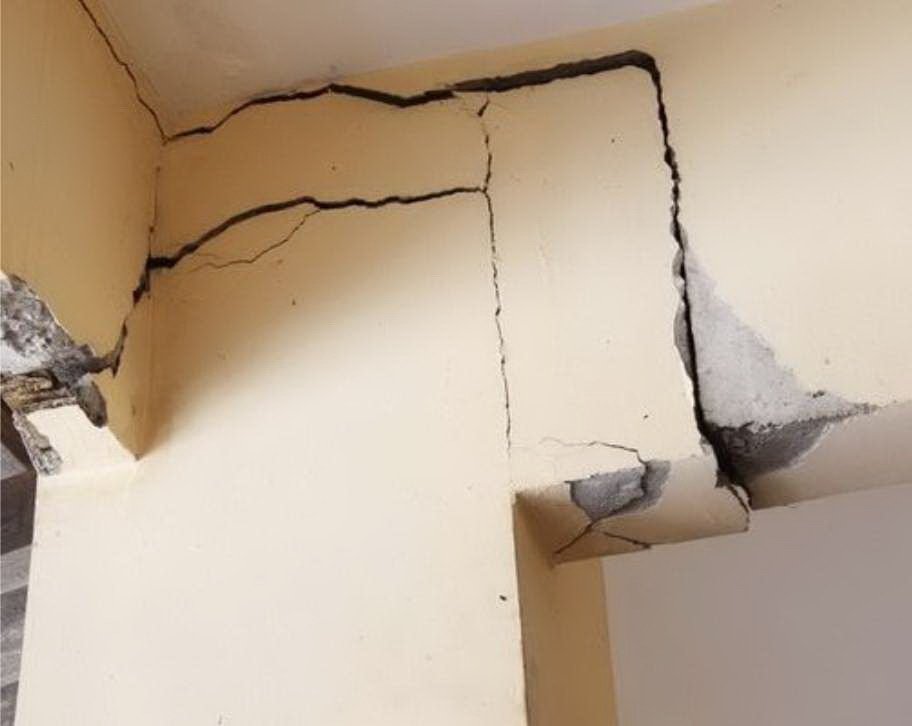
Why Do Concrete Block Walls Develop Stair Step Cracks?
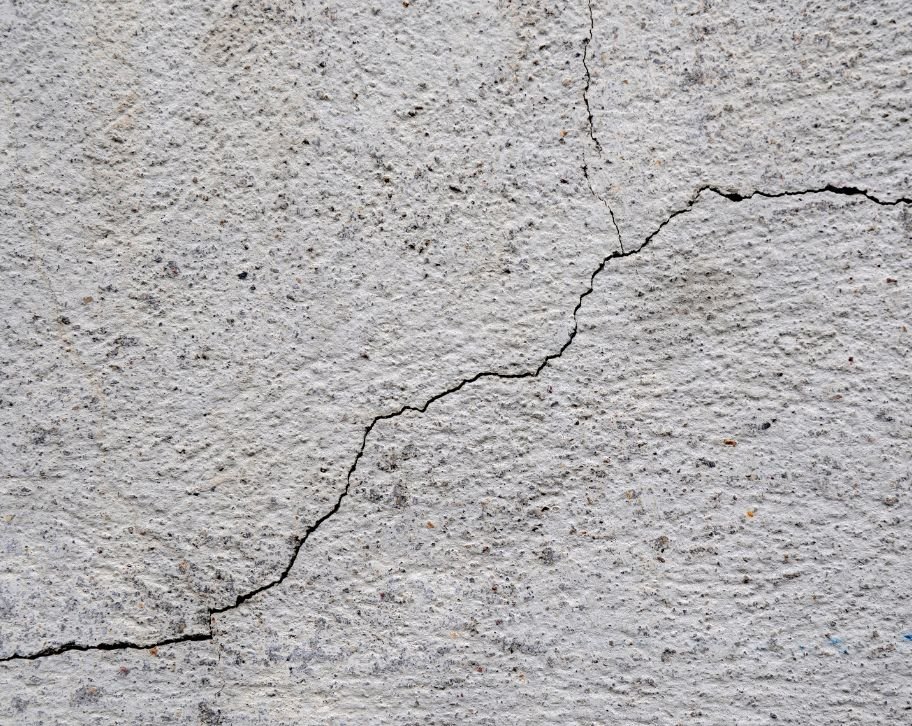
Why Do Concrete Block Walls Develop Stair Step Cracks? Cracks that form a staircase shape don’t show up by accident. They often point to deeper movement in your foundation. These concerning patterns often develop slowly, giving homeowners a chance to address the underlying issues before they become severe. These distinctive cracks typically result from five main factors: foundation settlement, hydrostatic pressure, freeze-thaw cycles, drainage issues, and construction defects. Each cause requires specific repair approaches and preventive measures to ensure long-term structural stability. How to identify stairstep cracks? Have you noticed a strange zig-zag pattern in your concrete block walls? A stair-step crack follows mortar joints between blocks, creating a distinctive stepped pattern. Unlike vertical cracks or horizontal cracks that run straight, these cracks form a unique diagonal path up or down your foundation wall. You will often spot these type of crack patterns near corners, windows, or along your basement wall. Some begin as hairline cracks, barely visible to the naked eye. However, they can develop into wider foundation cracks that signal deeper foundation problems. Watch for other signs that might accompany these cracks in foundation walls. A bowing foundation wall, gaps around doors, or uneven floors are serious red flags. If you notice a stair-step crack wider than 1/4 inch or multiple cracks forming in your block foundation, it’s time to contact a foundation professional. These foundation wall cracks typically appear more pronounced on concrete block walls than on poured concrete foundations. In masonry construction, the mortar joints create natural weak points where cracks commonly develop under stress. 5 culprits of Stair-Step Cracks in concrete block walls? Uneven foundation When soil beneath your foundation isn’t properly compacted or contains expansive clay, different sections of your foundation may sink at varying rates. This differential movement creates stress on the walls, forcing them to crack in a distinctive stair-step pattern along mortar joints. Hydrostatic pressure Water accumulation in the soil surrounding your foundation can exert significant pressure on your walls. As this pressure builds up, it pushes against the concrete blocks, causing them to bow inward. The resulting stress often manifests as stair-step cracks in the weakest points of the wall. Freeze thaw cycles In New Brunswick with cold climates, repeated freezing and thawing of soil moisture puts enormous strain on foundation walls. As water freezes, it expands, pushing against the walls, and when it thaws, the soil contracts. This continuous cycle weakens the wall structure, leading to stair-step cracking. Poor drainage Inadequate drainage systems can allow water to erode the soil supporting your foundation. As water washes away the soil, it creates empty spaces beneath the foundation. Without proper support, sections of the foundation can sink, resulting in stair-step cracks in the walls above. Construction defects Initial construction problems can set the stage for future cracking. Issues like improperly mixed mortar, inadequate curing time, or insufficient reinforcement create weak points in the wall. Over time, these vulnerabilities become apparent through stair-step cracks that form along mortar joints. Are stair step cracks a serious issue? Stair-step cracks in foundation walls can signal serious structural issues that shouldn’t be ignored. The severity depends on factors like crack width, how quickly they grow, and whether multiple cracks appear. Hairline cracks might be less concerning, but cracks wider than 1/4 inch often indicate significant foundation settlement. Watch for warning signs beyond the cracks themselves. Bowing foundation walls, doors that won’t close properly, or windows that stick are red flags of structural instability. These symptoms suggest your foundation problems are progressing. If left untreated, these cracks can lead to serious consequences. Water seepage through foundation wall cracks can cause basement flooding, while widening gaps create entry points for pests. Unlike normal shrinkage cracks, stair-step patterns typically indicate active structural movement requiring professional foundation repair. How to fix concrete block walls stair step cracks? For minor concrete block wall cracks less than 1/8 inch wide, epoxy injection provides an effective repair solution. This method seals hairline cracks to prevent water infiltration and stabilize the affected area. However, this is only suitable for non-structural issues. More severe foundation settlement problems require structural interventions. Installation of helical piers can lift and stabilize sinking foundations, while carbon fiber straps reinforce bowing walls. For deteriorated mortar joints, professional repointing restores the wall’s integrity. Addressing underlying causes is crucial for long-term foundation crack repair. This often involves improving drainage through French drain installation, extending downspouts, or regrading the soil around your foundation. The cost of repairs varies significantly based on the type of foundation, extent of damage, and chosen repair method. When should you call a masonry repair contractor? Don’t delay contacting a masonry repair contractor if you notice rapidly expanding stair-step cracks in your foundation walls. Other urgent signs include widening gaps in block foundations, water seepage, or multiple types of cracks appearing simultaneously, especially when horizontal cracks combine with stair-step patterns. A qualified foundation repair expert will conduct thorough inspections, including detailed soil analysis and precise laser measurements. They’ll create comprehensive crack maps to track the progression of foundation settlement and determine the extent of structural damage. When selecting a foundation repair company, ask critical questions about their warranty coverage and specific experience with concrete block walls. Get clear timelines for the project completion and ensure they explain their repair methods. A reputable professional will provide detailed documentation and answers to all your concerns. 5 tips to prevent future cracks in concrete block walls Keep gutters clean and extend downspouts at least 6 feet from foundation to prevent water accumulation around walls. Monitor soil moisture levels and maintain consistent watering patterns, avoiding excessive irrigation near foundation walls. Inspect foundation walls regularly and seal minor cracks immediately with appropriate waterproof materials to prevent deterioration. Install frost protection barriers in cold regions and maintain proper soil grading to direct water away from foundation. Place root barriers between large trees and foundation walls to prevent soil destabilization from root systems. Fix stair step cracks with Fredericton’s trusted masonry experts With 15+