Exterior Brick Maintenance Tips
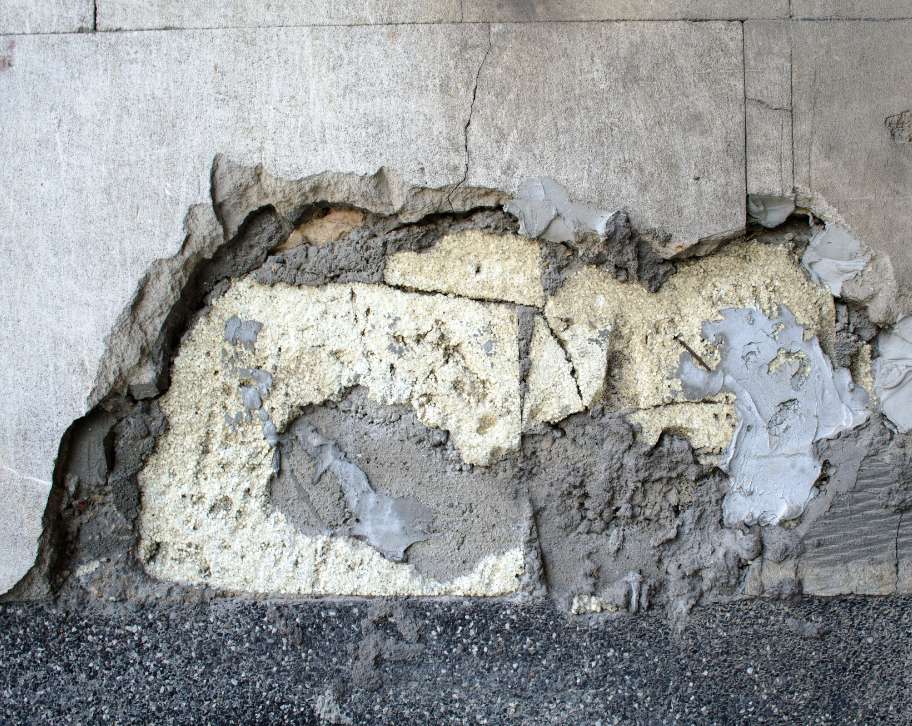
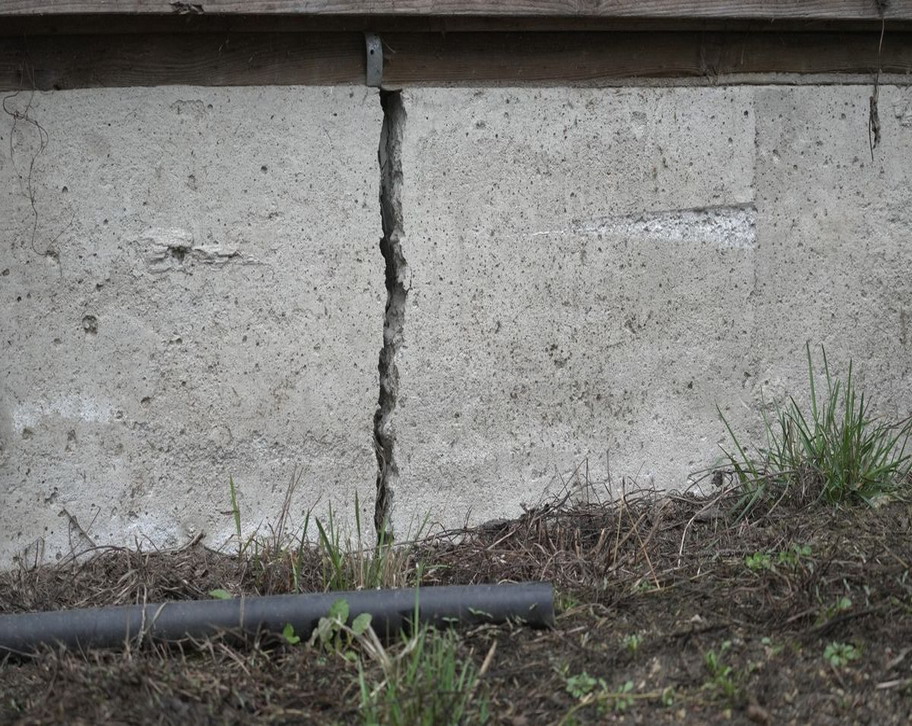
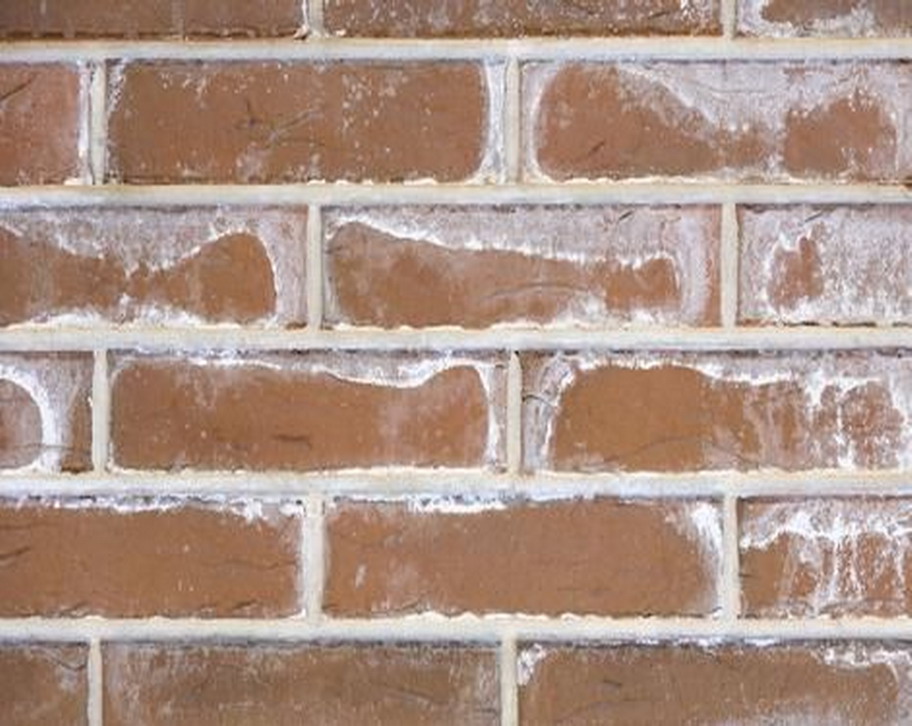
Exterior Brick Maintenance Tips You are admiring your home’s beautiful brick exterior on a crisp autumn morning when you notice something unsettling, a small crack in the mortar, a patch of white powder on the surface, or perhaps a section where the brick face has started to flake away. What seems like a minor cosmetic issue today could become a structural nightmare tomorrow, especially in Atlantic Canada’s punishing climate. Brick is one of the most durable building materials available, renowned for its strength and timeless appeal. However, in Fredericton and surrounding areas, your brickwork faces a relentless opponent: the region’s extreme freeze-thaw cycles, heavy rainfall, and high humidity. Water seeps into tiny cracks, freezes, expands, and gradually tears your brick apart from the inside out. Without proper maintenance, what should last generations can deteriorate in just a few decades. Here’s the encouraging news: proactive exterior brick maintenance can extend your masonry’s lifespan by 15 to 20 years, potentially pushing it beyond 50 years of reliable service. The difference between a $500 repointing job today and a $15,000 structural rebuild tomorrow often comes down to catching problems early. At Atlantic Brick and Stone, we have spent over 15 years helping homeowners and commercial property owners in Fredericton protect their masonry investments. In this guide, you’ll discover the essential maintenance practices that separate thriving masonry from crumbling facades, from conducting thorough inspections and choosing the right cleaning methods to knowing when professional repointing becomes necessary. Why regular brick maintenance matters in Atlantic Canada Atlantic Canada’s climate is particularly harsh on masonry structures. The region’s frequent freeze-thaw cycles create a relentless assault on brick and mortar that property owners in milder climates rarely experience. When water penetrates even hairline cracks in your brickwork and temperatures drop below freezing, that water expands by approximately 9%, acting like a tiny wedge that widens cracks and causes the brick face to pop off in a process called spalling. This cycle can repeat dozens of times each winter, accelerating deterioration exponentially. Heavy rainfall and persistent humidity compound these challenges. Fredericton receives substantial precipitation throughout the year, and when moisture saturates mortar joints, it weakens the bond between bricks. Over time, this leads to: Mortar crumbling and gaps forming Water infiltrating deeper into the wall cavity Interior damage and compromised insulation Conditions for mold growth UV exposure adds another layer of stress, particularly on south-facing walls where intense sunlight breaks down the chemical bonds in mortar, causing it to become brittle and powdery. The financial implications of neglecting brick maintenance are substantial. A small repointing project addressing a few deteriorated joints might cost a few hundred dollars. However, if that minor issue progresses to structural instability, water damage, or complete facade failure, you’re looking at repair bills in the tens of thousands. Regular maintenance isn’t an expense, it’s an investment that protects your property value and prevents catastrophic failures. Beyond structural concerns, well-maintained brickwork significantly improves curb appeal and property value. Crumbling mortar, stained surfaces, and spalling bricks send a clear message to potential buyers or tenants: this property hasn’t been cared for. Conversely, clean, properly pointed brick with intact mortar joints signals quality and attention to detail. High-quality brick with proper upkeep and sealing can last over 50 years, and sealed brick reduces maintenance demands by approximately 75%, making it a smart long-term strategy for any property owner in Atlantic Canada. Conducting thorough brick inspections Establishing a regular inspection schedule is your first line of defense against costly masonry repairs. For residential properties, inspect twice yearly, once in spring after the freeze-thaw cycle, and again in fall before winter. Commercial buildings should increase this to quarterly. Always inspect after severe weather events like heavy storms or prolonged freezing periods. During your inspection, focus on several critical areas. Start by examining mortar joints closely. Look for: Crumbling edges or delamination where mortar is breaking away Gaps where mortar has fallen out entirely Receding mortar sitting noticeably deeper than the brick surface If you can easily scrape mortar away with a fingernail or screwdriver, the joints are failing and need professional attention. Next, assess crack patterns and severity. Hairline cracks under 1/8 inch are usually manageable, but wider cracks following a stair-step pattern indicate structural movement requiring immediate evaluation. Horizontal cracks near the foundation or vertical cracks running through multiple bricks suggest serious structural issues. Water damage manifests in several ways: persistent damp spots, dark discolouration near the base of walls, moss and mildew growth, or white powdery deposits called efflorescence, all clear signs of excessive moisture problems that need addressing. While property owners can identify many issues, only licensed masonry contractors can properly diagnose complex problems. At Atlantic Brick and Stone, our pre-repair evaluations go beyond surface observations to identify root causes, assess structural integrity, and design comprehensive solutions. Effective cleaning techniques for exterior brick Proper cleaning removes harmful substances while preserving the brick’s protective surface layer. Always start with the gentlest method and escalate only if necessary. For everyday dirt and grime, mix mild dish soap with warm water and scrub with a nylon-bristle brush (never wire brushes, which scratch the surface and leave rust-causing metal particles). Work in small sections and rinse thoroughly. Biological growth like algae, moss, and mildew responds well to equal parts white vinegar and water. Apply generously, let sit for 30 minutes, scrub, and rinse. For stubborn growth, use one part household bleach to four parts water. Pre-wet the bricks first, wear protective gloves and eyewear, and rinse thoroughly after scrubbing. Efflorescence can be brushed away with a dry, stiff-bristled brush, but the white deposits will return unless you address the underlying moisture problem through improved drainage, crack sealing, or a breathable sealer. Persistent deposits may respond to a diluted vinegar solution. Pressure washing can be effective but requires care. Key guidelines include: Never exceed 1,500 PSI Use a 40-degree wide-angle tip Hold the wand at 45 degrees and move top to bottom Never spray directly into mortar joints or around