Common Foundation Waterproofing Mistakes to Avoid
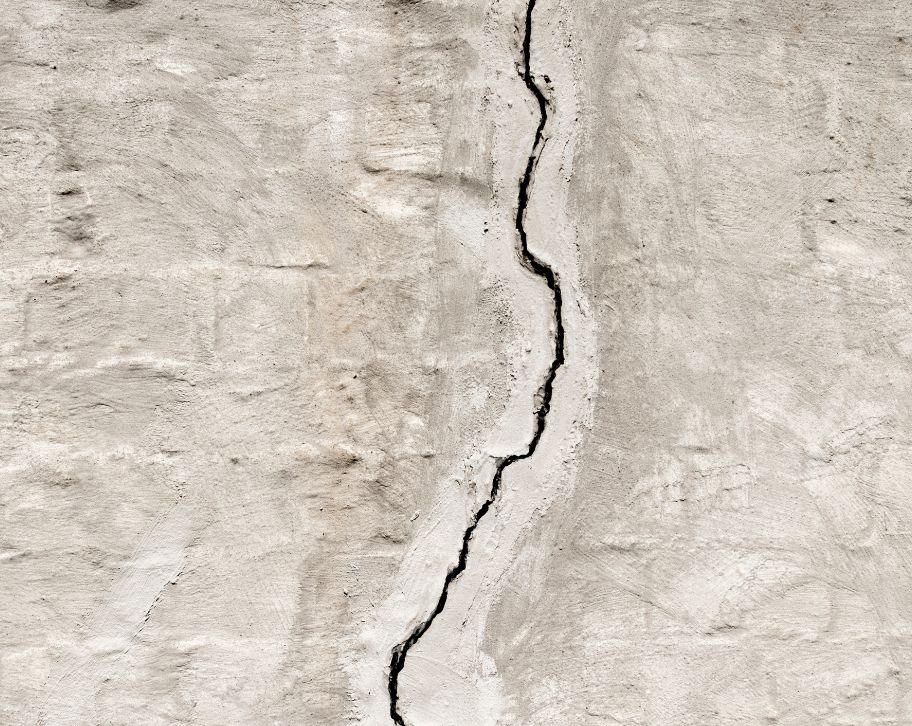
Common Foundation Waterproofing Mistakes to Avoid Common foundation waterproofing mistakes often arise from focusing on visible issues rather than the underlying causes of water intrusion. These errors lead to recurring problems and escalating damage, impacting a property’s stability and value. Identifying these frequent missteps, from poor exterior drainage to incorrect material use, allows property owners to implement effective, long-lasting solutions. Preventing extensive damage and ensuring the long-term integrity of your home or commercial property means understanding common foundation waterproofing mistakes. These missteps often turn minor issues into costly repairs. This guide covers frequent errors, from surface-level fixes to improper system installations. By recognizing these pitfalls, you can protect your property’s structural health for many years. This guide details why these mistakes happen and how to avoid them. You will learn about the need for exterior water management and correct material selection. We will examine the errors that can compromise your foundation. Why do common foundation waterproofing mistakes occur? The most common foundation waterproofing mistakes occur when the focus is on visible symptoms instead of the actual source of water. Many property owners try to solve issues like damp spots or peeling paint with quick fixes. Unfortunately, these do not address the root cause of the water intrusion. These efforts often fail because they do not account for the underlying issues driving the moisture. Another reason these errors are so frequent is that early warning signs are often dismissed. A musty smell or a small damp patch on a concrete wall might seem minor. However, these are often the first indicators of a more significant problem. Allowing these small signs to go unchecked lets minor moisture problems grow into serious structural concerns. Treating symptoms instead of root causes Applying waterproof paints or sealants to interior basement walls is a frequent error that only masks the problem temporarily. These coatings create a surface barrier but do nothing to stop the force of water from the outside. This external force, known as hydrostatic pressure, builds up in saturated soil and can easily push through or bypass superficial patches. When the true sources of water are ignored, the damage will continue to spread, finding new ways into your home. A professional diagnosis is needed to trace the water back to its origin, whether it is poor grading, clogged gutters, or foundation cracks. Ignoring early warning signs of water intrusion Key indicators of water problems include: Musty odors Isolated damp spots on masonry Peeling or bubbling paint A white, powdery residue called efflorescence These signs point to persistent moisture that can worsen over time, leading to significant damage. Ignoring these warnings allows for the development of mold and mildew, which can pose health risks and degrade your home’s air quality. This moisture also accelerates the decay of building materials, compromising the structural integrity of your foundation walls and leading to much more expensive repairs later. Relying on do-it-yourself (DIY) waterproofing without a systematic approach Many homeowners attempt DIY fixes without understanding how water, soil, and foundations interact as a complete system. These fragmented attempts, like patching a single crack, often fail because they do not relieve the underlying pressure causing the water intrusion. This can lead to new leaks appearing elsewhere. Below are some common misconceptions that lead to failed DIY projects: “A quick patch will fix the leak permanently.” Most patches are temporary and do not address the external pressure forcing water inside. The water will simply find another path of least resistance. “Interior paints can stop severe water pressure.” Waterproof paints are surface coatings that cannot withstand significant hydrostatic pressure. They will eventually blister, peel, and fail, trapping moisture within the wall. “Any sealant works for all cracks.” Different cracks require different solutions. A rigid sealant used on a crack that moves with temperature changes will quickly fail and re-open the leak. “My foundation is just ‘damp’ naturally.” A persistently damp foundation is a sign of a problem. It indicates that water is constantly present against your foundation, which can lead to material decay and structural issues. “Waterproofing is a one-time job.” Effective waterproofing systems require periodic maintenance. Sump pumps need testing, and gutters and drains must be kept clear to function correctly. How does exterior water management impact foundation health? Effective exterior water management is the first line of defense against basement foundation leaks and moisture problems. How water behaves around your property directly influences the health of your foundation. When exterior drainage and grading are poor, they actively channel water toward the building, which dramatically increases the hydrostatic pressure against the foundation walls. The structural condition of the foundation itself also plays a big role. Unaddressed cracks and signs of movement create direct pathways for water to enter your basement or crawlspace. These openings compromise the building’s stability and render any interior waterproofing efforts less effective over time. Neglecting exterior drainage and proper grading One of the most significant foundation water damage causes is improper grading. The soil around your foundation should slope away from the building, dropping at least six inches over the first ten feet. When the ground is flat or slopes inward, it creates a funnel that directs rainwater and snowmelt directly against your foundation walls, causing water to pool and saturate the soil. Clogged gutters and downspouts that discharge too close to the house compound this problem by dumping large volumes of roof runoff right where it can do the most damage. Extending downspouts, installing French drains, and using strategic landscaping can effectively manage surface water and protect your foundation. Failing to address foundation cracks and structural movement Not all foundation cracks are purely cosmetic. Even hairline cracks can serve as entry points for water, and they often expand over time due to freeze-thaw cycles and soil movement. It is helpful to distinguish between minor shrinkage cracks and those that indicate a structural problem. Waterproofing a foundation without addressing its structural integrity is an incomplete solution. If a wall is bowing or settling, simply sealing a