Concrete Walkway Maintenance – A Checklist for Homeowners
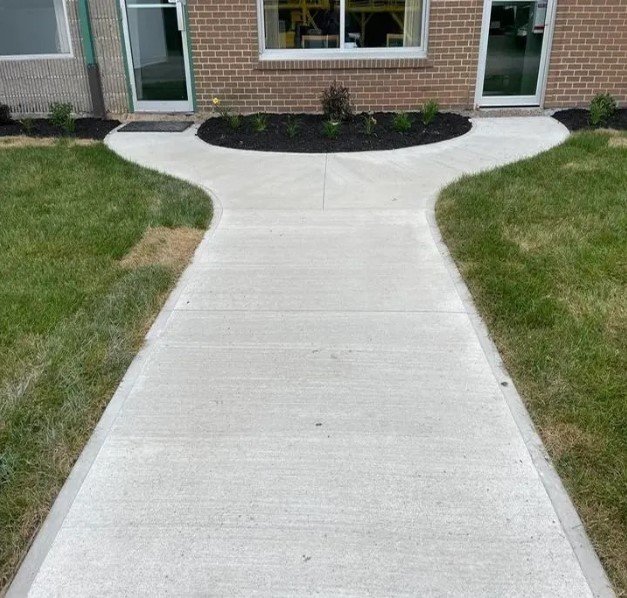
Concrete Walkway Maintenance – A Checklist for Homeowners As a homeowner, keeping your concrete walkway in good condition is important. A well-maintained walkway adds aesthetic appeal to your home’s exterior and ensures safety for you and visitors. However, many homeowners don’t pay attention to their walkways until issues arise. With some regular maintenance, you can avoid problems and extend the lifespan of your concrete walkway. Understand Your Concrete Walkway First You might think concrete is just a simple mix of cement, water, and aggregate, but it’s actually a complex blend. Additives like fly ash or silica fume can be included for strength, while others like calcium chloride can be added for quicker setting times. Knowing the exact components of your walkway can help you make informed decisions when it comes to maintenance. For example, if your walkway has a special finish, a power washer might be too harsh and could strip it away. Always consult your home maintenance checklist before choosing cleaning or repair products. Durability and Lifespan Concrete is a durable material, often boasting a lifespan of 30 years or more. But remember, it’s not indestructible. Factors like weather conditions, heavy loads, and even the type of salt you use in winter can affect its durability. Regular concrete maintenance is crucial to ensure your walkway stands the test of time. It’s not just about following a spring home maintenance checklist; it’s about consistent care year-round. Why Concrete Walkway Proper Upkeep Pays Off Just like you wouldn’t skip oil changes for your car, your walkway needs regular maintenance too. Small tasks like fixing cracks and reapplying sealant go a long way in extending its lifespan. Maintenance isn’t just about curb appeal – it’s also about support. Regular checkups help spot burgeoning issues before they’re costly to fix, saving you time and money in future. A minor crack may not seem like a big deal now, but leave it be and water damage could result, or worse, it may turn into a tripping risk. Letting maintenance lapse can also cause troubles with gutters and downspouts, leading to leaks that further harm the walkway. Always look out for signs of wear and address them promptly to keep things shipshape. Remember, first impressions matter, and your walkway is often the first thing people see when they visit. A well-maintained walkway not only adds to your home’s curb appeal but also increases its market value. Imagine what a potential buyer would think if they saw a cracked or stained walkway. It’s not just about looking good; it’s about making a lasting impression. Concrete Walkway Maintenance Checklist Regular Cleaning Over time, your walkway collects dirt, leaves, and debris from foot traffic. All that grime sitting on the surface can cause ugly stains if not removed. But it’s about more than just looks – piles of crud can potentially harm the concrete too if left alone. Luckily, a routine cleaning clears it all away. For light debris, a broom sweep does the trick. Heavy dirt needs a power washer to properly scrub it off. As you clean, look closely for any unwelcome guests like sprouting weeds or pesky bugs. Don’t let little problems take hold. Giving the walkway a good going-over reveals its true condition underneath. Previously hidden cracks or scratches now stand out in the open. With a clean slate, you can more easily monitor its state going forward too. Just take a quick once-over with broom or sprayer to freshen it up. Your walkway will appreciate the tidy treatment! Keeping an Eye Out for Cracks It’s not just about looks – cracks in the walkway can pose a real risk. Make checking for cracks part of your routine maintenance, especially after rough weather like major temperature swings. Small fissures aren’t too bad; caulk should do the trick. But if cracks stretch much bigger, it’s handyperson time. Little breaks in the concrete may seem harmless now. But let them linger and someday you might catch your toe, risking a spill. Moisture invading a crack also runs the chance of making things worse below the surface. Nip issues in the bud before they turn into something more serious needing pro help. Take a leisurely stroll around your path and carefully inspect the condition. No need for a magnifying glass, but slow down to spot any thin lines forming. Mark ones needing mortar with chalk so they don’t slip by the wayside. With some regular repair, you’ll keep cracks from rattling your stride – or your wallet with larger projects down the line! Sealant Checks and Reapplication Sealants act as a protective layer, guarding your walkway against water damage and stains. Regularly check the condition of the sealant and reapply as needed, especially after the winter thaw when the walkway is most vulnerable. Stain Removal Stains from oil or other substances can be a real eyesore. Use cleaning agents that work well for the job. If the stain is really stubborn, it might be time to call a professional cleaner. Weather Protection Bad weather can damage your walkway. Remove snow and ice right away to prevent damage and cracks. As said earlier, apply a sealant before winter for extra protection. Structural Check and Re-leveling Over the years, your concrete walkway can start to slope or develop uneven spots. The ground underneath can settle or shift in places due to things like rain or tree roots. This causes the concrete slabs that make up your walkway to tilt slightly. After some time, these small changes can be noticeable when you walk on it. The slabs may rock or one side might be higher than the other. Water could also pool in low areas instead of draining properly. If you see slopes or dips developing, it may help to have your walkway inspected and leveled again. Professionals have special tools and experience to carefully lift up each concrete piece and check the base below. By adding or tamping down soil in low spots, the walkway base can be