How to Restore Pavers: A Comprehensive Guide
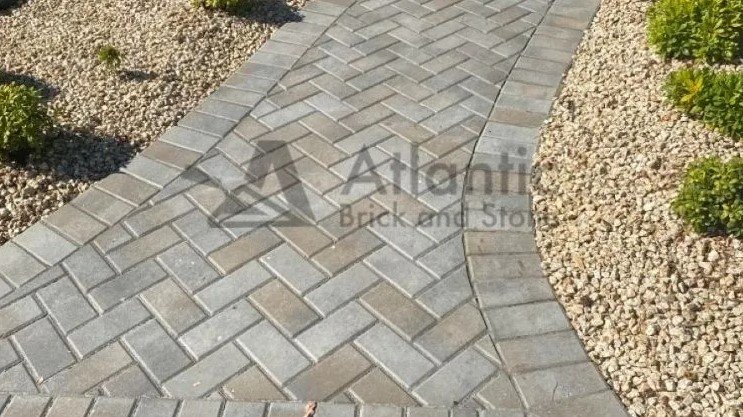
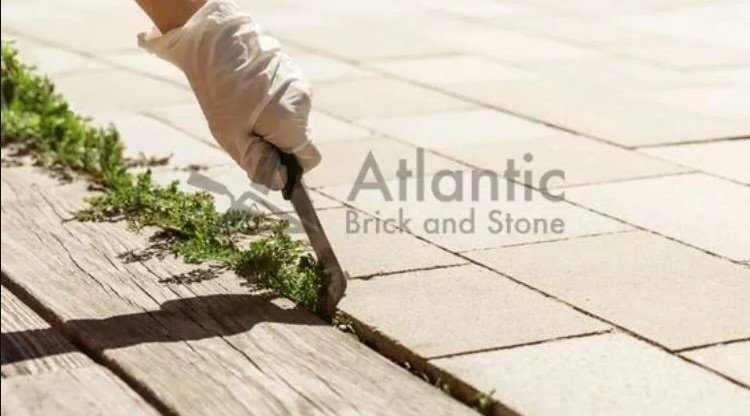
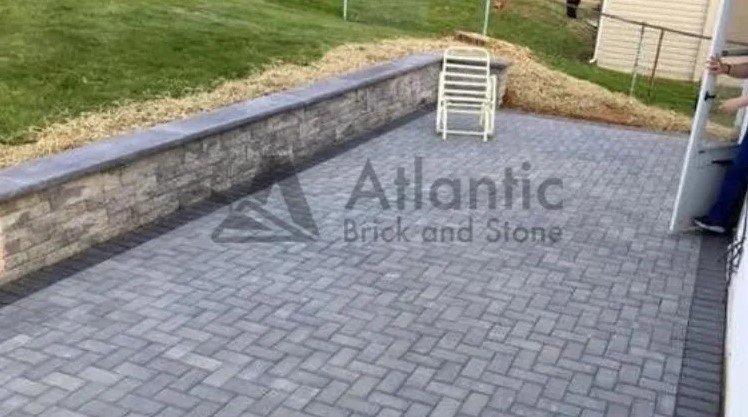
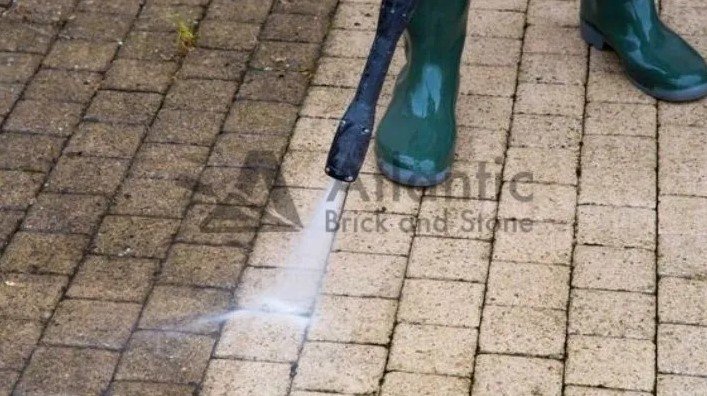
How to Restore Pavers: A Comprehensive Guide Pavers, whether they’re made of brick or concrete, are a popular choice for driveways and patios due to their durability and aesthetic appeal. However, like all things, they’re not immune to the wear and tear of time and weather. Restoring your pavers not only revives their original beauty but also extends their lifespan, making your outdoor living space a sight to behold. Knowing When to Restore Your Pavers Pavers are sturdy, but they’re not invincible. If you notice your pavers losing their color, or if weeds start sprouting from the joints, it’s time to consider restoration. Neglecting these signs can lead to further damage, making the restoration process more complex and costly. Benefits of Restoring Pavers Restoring your pavers is more than just a cosmetic fix. It enhances the visual appeal of your outdoor space, increasing your property’s value. Moreover, it improves the durability of your pavers, ensuring they last longer. Plus, by fixing uneven or loose pavers, you’re also ensuring the safety of those who tread on them. Preparing for Paver Restoration Before you start, gather the necessary tools and materials. You’ll need a pressure washer to remove dirt and grime, a long-handled brush for scrubbing, and a sealer to protect the pavers after restoration. Don’t forget to consider safety measures, like wearing protective gear to avoid injuries. Step-By-Step Guide on How to Restore Pavers Restoring pavers is a straightforward process if you follow these steps: Cleaning the pavers Use a pressure washer to remove dirt and grime from the pavers. For stubborn stains, a cleaner specifically designed for brick pavers or concrete can be used. Removing weeds from the paver joints Weeds can be removed manually or with the help of a weed killer. Make sure the pavers are dry before proceeding to the next step. Correcting any paver misalignments If any pavers are uneven or loose, they should be realigned. This might require removing the paver, adding or removing sand underneath, and then replacing the paver. Applying a layer of paver sealer A sealer helps protect the pavers from future stains and wear. It can be applied with a sprayer or a roller. Some sealers also help restore color to faded pavers. Maintenance post restoration Regular cleaning and resealing every few years will keep your pavers looking great and extend their lifespan. Hiring a Professional for Paver Restoration While DIY paver restoration is doable, there are instances where hiring a paver installer might be beneficial. If the area to be restored is large, or if the pavers are severely damaged, a professional can save you time and ensure the job is done right. When choosing a professional, consider their experience, reviews, and cost structure. Restoring your pavers is a worthwhile investment that pays off in the long run. Not only does it enhance the visual appeal of your outdoor space, but it also increases your property’s value and ensures the longevity of your pavers. Paver Installation and Repair in Fredericton Atlantic Brick and Stone, located in Fredericton, are the leading experts in paver installation and repair. With a team of professionals, we offer comprehensive services for all types of hardscapes. The team possesses extensive knowledge and skills, ensuring they effectively handle any paver-related task, including the repair of damaged pavers. When these fundamental outdoor components crack or chip, they not only lose their aesthetic appeal but also create safety hazards. Thankfully, Atlantic Brick and Stone’s paver repair services can rectify these issues swiftly and effectively. As Fredericton’s trusted hardscapes contractor, we work diligently to install, repair, and maintain the integrity of paver systems, assuring residents of enduring and beautiful outdoor spaces. What are brick pavers? A: Brick pavers are a popular choice for outdoor flooring. They are made from clay or concrete and come in various shapes and sizes. They are commonly used for driveways, walkways, patios, and other outdoor surfaces. How do I restore color to brick pavers? A: To restore color to brick pavers, you can follow a few steps. First, clean the pavers thoroughly using a pressure washer and a brick paver-specific cleaner. After cleaning, allow the pavers to dry completely. Once dry, apply a brick paver sealer that is specifically formulated to restore color to your pavers. My brick pavers have faded. What can I do to restore them? A: If your brick pavers have faded, you can restore them by following a restoration process. This includes cleaning the pavers, applying a color restorer, and sealing the pavers with a brick paver sealer to protect and enhance the color. Can I use a concrete sealer to restore color to brick pavers? A: No, it is not recommended to use a concrete sealer to restore color to brick pavers. Concrete sealers are designed for use on concrete surfaces and may not provide the same results on brick pavers. It is best to use a brick paver sealer that is specifically formulated for brick surfaces. What are the restoration steps for brick pavers? A: The restoration steps for brick pavers generally involve cleaning, repairing any damaged areas, applying a color restorer if needed, and sealing the pavers to protect and enhance their appearance. Are there specific brick paver sealers available for restoration? A: Yes, there are brick paver sealers available that are specifically formulated for restoration purposes. These sealers are designed to restore the color of your brick pavers and provide long-lasting protection. Can I strip the existing sealer from my brick pavers? A: Yes, if there is an existing sealer on your brick pavers, you can use a sealer stripper to remove it. This will allow you to start the restoration process with a clean surface. How long should I wait before applying the sealer to my brick pavers? A: After cleaning and restoring your brick pavers, it is recommended to let them dry completely before applying the sealer. This typically takes around 24-48 hours, depending on the weather conditions. Get Your Paver Restoration Project Estimate