Author name: richardonna@rogers.com

Retaining Wall damage causes
Uncategorized

Retaining Wall Damage – Causes Warning Signs And Repair Options

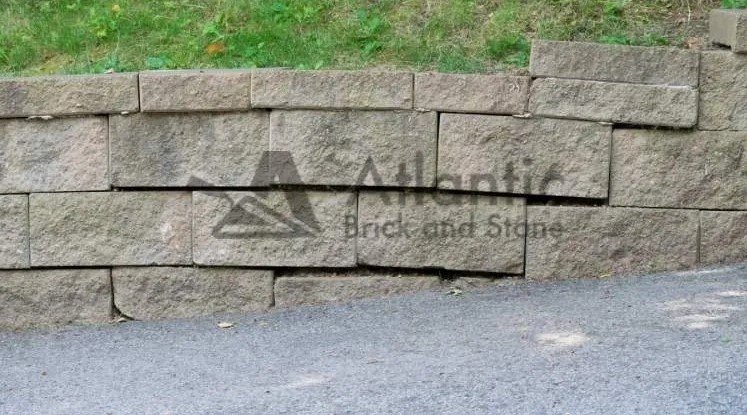
Retaining Wall Damage – Causes Warning Signs And Repair Options Retaining walls are structures built to hold back soil, rocks, or water. They are commonly used in landscaping to create levels on sloping terrain, prevent erosion, and provide structural support. However, retaining walls are not indestructible; over time, they can suffer damage for various reasons. This article will discuss the causes of retaining wall damage, the warning signs to look out for, and the repair options available. Causes of Damage Retaining walls can suffer damage due to several reasons. Some of the most common causes of retaining wall failure: Water Damage Water is a significant cause of retaining wall damage. When the soil behind a retaining wall becomes saturated, it exerts pressure on the wall, causing it to bow, crack, or collapse. Water can seep into the soil behind the wall through cracks or holes, or due to poor drainage. Poor Construction If a retaining wall is poorly constructed, it is likely to suffer damage. Some of the common mistakes made during construction include using inferior materials, inadequate drainage, and improper anchoring. Soil Movement The soil behind the wall can shift for various reasons, such as erosion, earthquakes, or settlement. When the soil shifts, it can put undue pressure on the retaining wall, causing it to fail. Tree Roots Tree roots can cause damage to a retaining wall if they grow too close to the wall. As tree roots grow, they exert pressure on the wall, causing it to bow or crack. Warning Signs It is essential to know the common signs of retaining wall damage so that you can address the issue before it becomes severe. Some of the common warning signs to look for the damaged retaining wall may include: Bulging or Bowing Walls If you notice that your retaining wall is bulging or bowing, it is a sign of structural damage. The wall cannot support the weight of the soil behind it, and it is beginning to give way. Cracks in the Wall Cracks in the wall can indicate that the wall is experiencing stress or pressure. The cracks’ size and location can indicate the damage’s severity. Leaning Walls A leaning wall is a sign of significant structural damage. It means the wall is no longer stable and is at risk of collapsing. Water Damage If you notice water pooling behind your retaining wall, it shows poor drainage due to congested weep holes. Water can cause significant damage to retaining walls, and it is essential to address the issue before it becomes severe. Repair Options If you notice any warning signs of retaining wall damage, it is essential to take action immediately. Ignoring the issue can lead to severe damage and be expensive to repair. Some of the repair options available include: Patching Patching is an option if the damage is minor. It involves filling the cracks or holes with a specialized concrete mix. Reinforcement If the damage is severe, reinforcement may be necessary. This involves adding steel or concrete beams to the retaining wall to provide additional support. Replacement If the damage is extensive, replacement may be the only option. A new retaining wall can be constructed using high-quality materials and proper drainage to ensure it is structurally sound. Prevention Strategies Here are some prevention strategies you can implement to avoid damage to your masonry retaining wall. Proper Drainage One of the primary causes of retaining wall damage is poor drainage. Ensuring that your wall has adequate drainage is essential to prevent water from building up behind it. This can be achieved by installing a drainage system or creating a slope that directs water away from the wall. High-Quality Materials High-quality materials during construction can significantly reduce the risk of retaining wall damage. Quality materials are less likely to crack or break and are more durable, which means they can withstand external forces such as soil pressure and tree roots. Proper Anchoring Proper anchoring is crucial in ensuring that your retaining wall is structurally sound. Anchors help keep the wall in place and prevent it from collapsing or bowing under the weight of the soil behind it. Regular Maintenance Regular maintenance is essential to prevent retaining wall damage. Inspect your wall regularly to check for signs of damage, and address any issues as soon as possible to prevent them from becoming severe. In Fredericton, Atlantic Brick and Stone is a masonry company you can rely on if you need retaining wall maintenance, repair, or restoration services. We have 15+ years of experience in the field, and our team of experts can handle any retaining wall issues you may have. From minor repairs to full-scale restoration, we have the knowledge and expertise to do the job correctly. Contact us today for retaining wall repair and restoration services in Fredericton. By taking preventive measures and being proactive in maintaining your retaining wall, you can ensure it remains in good condition for a long time. Get Your Retaining Wall Repair Estimate Online Now! 506-304-0771 atlanticbrickandstone@gmail.com Request an Estimate

Costly Masonry Repairs
Uncategorized

Ignoring These Signs Could Result in Costly Masonry Repairs

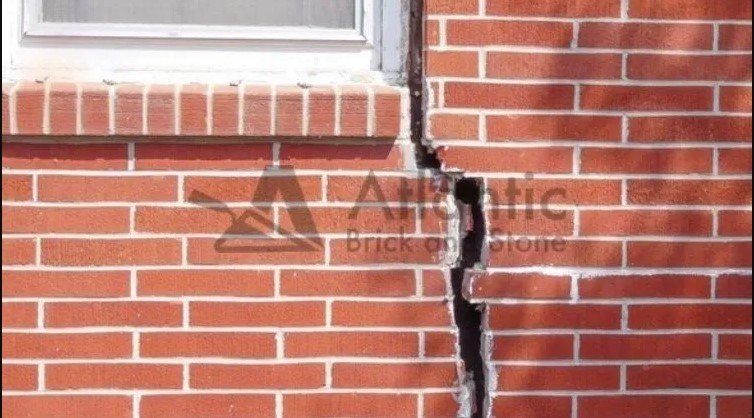
Ignoring These Signs Could Result in Costly Masonry Repairs Maintaining the structural integrity of a building is crucial, and masonry repairs are an essential aspect of achieving it. Masonry is a construction method that uses bricks, stones, or concrete blocks to build walls, chimneys, and fireplaces. These building materials are renowned for their durability and longevity, and it is not immune to problems over time. Ignoring the signs of masonry damage can lead to expensive repairs and even pose safety risks to building occupants. This article will discuss the signs that indicate the need for masonry repairs, why ignoring them can be costly, and what actions to take when you notice these signs. Why Ignoring Signs Could Result in Costly Masonry Repairs Ignoring the signs of masonry damage can result in costly repairs for several reasons. The longer you wait to address the problem, the worse it will become. What might start as a small crack in the brick or mortar joint can quickly become major structural damage. When left untreated, cracks can allow water to seep into the structure, causing even more damage. Ignoring the signs of masonry damage can lead to safety hazards. When the structural integrity of a masonry structure is compromised, it can collapse or cause other problems that can pose a risk to the occupants of the building. Ignoring the signs of masonry damage can lead to decreased property value. A building with visible signs of wear or neglect will have a lower value than a well-maintained property. Signs that Should Not Be Ignored Now that we have discussed why ignoring the signs of masonry damage is a bad idea, let’s look at the signs indicating you need repair. Cracking or Chipping of Bricks or Stones The cracking or chipping of bricks or stones is one of the most visible signs of masonry damage. Over time, masonry structures can develop cracks for various reasons, such as age, weathering, or foundation settling. Poor workmanship or improper installation of masonry can also lead to cracks. Ignoring these cracks can cause them to widen, weaken the structure, and potentially cause safety hazards. It is essential to address the cracking or chipping of bricks or stones immediately before they become more significant problems and lead to costly repairs. Loose and Crumbling Mortar Joints Mortar joints are the spaces between the bricks or stones that are filled with mortar to hold them in place. Over time, these joints can become loose, cracked or fall out completely. This weakening of the mortar joints often occurs due to the aging and weathering of the structure or poor quality of workmanship. When mortar joints deteriorate and become loose, they no longer serve to seal and protect the masonry. Water and moisture can now seep easily into the walls and foundation, causing the bricks and stones to rot, decay and split apart over time. If left unaddressed, loose and crumbling mortar joints can lead to costly repairs like repointing joints, replacing damaged materials or, in severe cases, reconstruction of sections of the masonry. It is best to inspect masonry structures regularly for any signs of loose, missing or deteriorating mortar joints and repoint or replace them as needed to prevent water damage and preserve the overall integrity of the building. Staining on Walls or Floors Staining on the walls or floors of a masonry structure often indicates water damage. When water seeps into the masonry over time, it can cause discoloration or staining, especially as it evaporates. These stains can appear as dark patches on the walls and floors. While small stains may not seem like a cause for concern, they are a warning sign that water is getting into areas where it does not belong. If left unaddressed, this can lead to severe water damage as the water continues to penetrate deeper into the structure. Water damage causes problems like crumbling mortar joints, peeling paint, flooring damage and mold growth. Mold growth, in particular, can be a health hazard in concentrated or undisturbed areas. The growth of mold also destroys structural materials as it spreads further into the masonry. To prevent the expansion of water damage and additional repair costs, any signs of staining should be investigated immediately to determine the source of water entry. Making temporary fixes or sealing surface stains is insufficient if the underlying issues are not addressed. Repairing water damage early on is crucial to limit the scope of the damage. Small stains today can lead to hefty remediation costs in the form of structural repairs or even partial reconstruction tomorrow if left unheeded. Conducting regular inspections and taking the necessary actions at the first sign of leaks or staining will help preserve the integrity and safety of your home. Leaning Chimneys or Walls Leaning chimneys, walls, or other vertical masonry surfaces can indicate a serious loss of structural integrity. A leaning wall or chimney means that the foundation supporting it is no longer stable and secure and has started to settle or shift. This is a dangerous situation that threatens the safety and stability of the entire structure. Foundations are critical for supporting the weight of vertical masonry elements like chimneys, walls and towers. When a foundation compromises, it can no longer properly anchor these vertical surfaces and prevent them from toppling over. If left unaddressed, a leaning chimney or wall could eventually collapse, causing damage to property, injury or even loss of life. Some signs to look for include walls or chimneys that are visibly off-plumb, cracks forming at the joints, foundations that have sunk on one side or multiple vertical surfaces leaning at odd angles. The leaning may be subtle initially but will worsen over time as the foundation continues crumbling. It requires specialized masonry and structural repair expertise to stabilize a compromised foundation and prevent further destabilization. Stabilization often involves excavating around the foundation to assess the damage, then rebuilding or replacing damaged sections. Reinforcement with helical wall ties, stone buttresses, soil stabilization and

Chimney parts
Uncategorized

A Guide to the Different Types of Chimney Parts

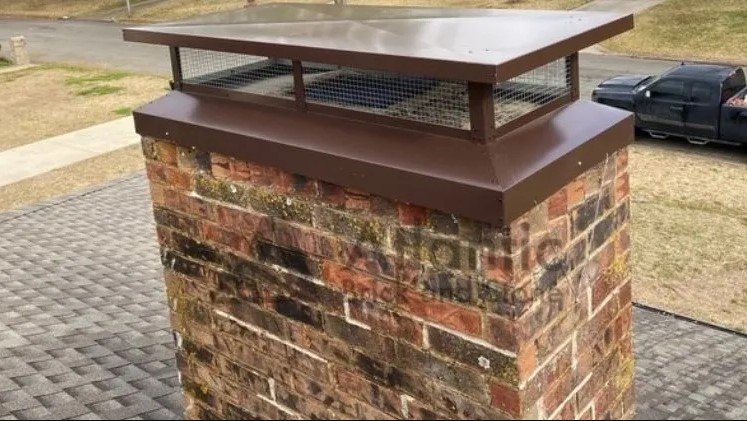
A Guide to the Different Types of Chimney Parts A chimney is an essential part of any traditional fireplace, helping to remove smoke and other harmful gases from your home. But have you ever wondered about the specific components that make up your chimney? From caps to liners, each part plays a crucial role in storing and channeling the combustion byproducts outside. In this article, we’ll cover the basics of all the chimney parts you need to know about, including their functions and why they’re important for your fireplace’s safety and energy efficiency. Read on to learn everything you need to know about chimney components. Chimney Cap A chimney cap is a protective covering that sits on top of your chimney, serving as a shield against outdoor elements such as debris, rainwater, and animals. It is an essential component for any chimney, as it can prevent costly repairs and ensure the safety of your home. There are mainly two types of chimney caps based on their design and functions: Single Flue Chimney Caps: Designed to cover the top of single flue chimneys, these caps come in various sizes and designs. Their primary function is to keep out debris, animals, and rainwater, but they can also keep sparks and embers from flying out of the chimney. Multi-Flue Chimney Caps: Ideal for those with multiple flue chimneys, these caps cover the entire top and protect all the flues. They provide maximum protection against wind-driven rain and debris, as well as a more comprehensive mesh screen for better ventilation. Not having a chimney cap or not having a functional one can lead to various issues such as: Water and Moisture Damage: Without a cap, rainwater can easily penetrate your chimney, leading to moisture damage to the chimney components, such as the flue lining, damper, and even the ceiling and walls. Animal Infestation: Open chimneys are an open invitation to animals like birds, raccoons, squirrels, and even bats, who can nest inside and block the flue, causing smoke buildup and even starting chimney fires. Fire Hazards: Without a cap, sparks and embers from a fire can escape through the chimney and ignite potentially flammable materials like leaves, branches, or even your neighbor’s roof. Chimney Crown A chimney crown is a concrete or metal cap that sits at the top of your chimney, covering the opening of the brickwork. It acts as a shield to protect your chimney masonry from outside elements. The primary function of the chimney crown is waterproofing. By preventing water from entering the chimney, the crown protects the chimney’s interior and exterior from moisture damage. The most common material used for chimney crowns is concrete. A properly constructed concrete crown should have a minimum thickness of two inches and be reinforced. It should have an outward slope to help water runoff and not collect on top of the chimney. Other materials like metal or stone can also be used, depending on the design, aesthetic, and budget preferences. A properly installed and maintained top is a crucial component of the chimney structure for several reasons, including: Longevity: The chimney crown’s primary function is to protect it from water damage, which is the leading cause of chimney failure. A well-maintained crown can extend the life of your chimney by preventing water from damaging the brick structure. Moisture in the chimney can also cause the damper to rust, preventing it from opening, and leading to a CO2 buildup in the home. Chimney Flashing Flashing is a weather-resistant sealant installed around the base of a chimney to prevent water from seeping into the home. Its function is to divert water away from the chimney and seal gaps between the chimney and the roof. Chimney flashing is important because it protects against water damage and chimney leaks. Without proper flashing, rain, and snow melt can seep into the attic, roof, and interior walls around the chimney. If left unaddressed, this can lead to mold, rot, and structural issues. Flashing is typically made of aluminum, stainless steel, or copper and is installed in overlapping sections around the chimney base. For the most protection, flashing should extend under the roof shingles and up the sides of the chimney several inches. Improper or damaged chimney flashing should be repaired or replaced as soon as possible. Missing, cracked, or corroded flashing leaves a home vulnerable to water leaks and the serious damage that can result. Chimney Liner A chimney liner is a protective duct or coating inside a chimney that contains combustion byproducts and directs them outside while protecting the chimney walls. These liners are typically made of clay, aluminum, or stainless steel. Clay liners can withstand high temperatures but may be rigid to install. Stainless steel liners are flexible and suitable for relining or repair but are more expensive. A proper chimney liner is important for both safety and function. A damaged chimney liner is a serious issue that can lead to fire, carbon monoxide leaks, and other hazards. It is not advisable to use a fireplace or wood-burning stove without a proper liner. Having a professional inspect and repair or replace the liner if needed is essential for safety and to prevent chimney damage. Throat Damper A throat damper is a metal plate or valve located in the throat of a chimney, where the fireplace or stove connects to the chimney. Its function is to control airflow from the fireplace or stove into the chimney, which regulates combustion and the intensity of the fire. It is an important chimney part because it allows for control over the fire and heat output. Opening the throat damper increases airflow and allows the fire to burn stronger while closing it reduces airflow to dampen the fire. Adjusting the throat damper is important for regulating fire intensity, reducing heat loss, and ensuring the safe and efficient operation of a wood-burning system. A damaged, stuck, or improperly adjusted throat damper can lead to difficulty controlling the fire, excessive drafts, and other issues.

masonry chimney inspection checklist
Uncategorized

What to Look for During a Masonry Chimney Inspection

What to Look for During a Masonry Chimney Inspection As a homeowner based in Fredericton or nearby areas, it’s important to ensure your masonry chimney is regularly inspected and well-maintained to prevent potential hazards. Chimney inspections can reveal serious problems, such as rust, leaks, or cracks, that may compromise the safety of your home. In this article, we will discuss what to look for during a masonry chimney inspection so that you can approach the process with confidence and peace of mind. Purpose of the inspection To ensure optimal safety and functionality of your home heating system, you must prioritize professional inspection for your masonry chimney. This allows for a comprehensive assessment of the key components of your chimney, including creosote buildup, flue blockages, leaks, cracks, and other potential hazards that could put your home and personal well-being at risk. By addressing any issues discovered promptly, you can avoid costly repair expenses in the future and significantly reduce the chance of fire or carbon monoxide poisoning. Therefore, it is essential to understand the importance of an expert chimney inspection. Best Time for Chimney Inspection and Repair Masonry chimneys require regular inspection and maintenance to ensure their functionality, safety, and longevity. While inspection can be conducted any time of the year, however, spring is the best time for chimney inspection and repair. During winter, chimneys are subjected to harsh weather conditions that can cause severe damage, such as water penetration, freeze-thaw cycles, and ice dams. These issues can weaken the chimney structure, lead to cracks, and compromise the chimney’s ability to direct smoke and gases safely out of the house. Spring is the season of milder weather conditions that can help identify and address such damage before it becomes too severe. Inspecting chimneys during the spring season allows homeowners to detect damage caused by winter’s harsh weather and resolve issues before summertime heat and humidity cause additional problems. Essential Steps of Masonry Chimney Inspection Masonry Damage The first step in an annual chimney inspection involves carefully examining the structure to check for any signs of damage. Cracks, gaps, and other signs of wear and tear in the masonry can compromise the chimney’s structural stability, leading to further damage and expensive repairs if left unchecked. Over time, water and moisture can seep into these damaged areas, causing structural weakness and facilitating the growth of mold and mildew. If the damage goes unnoticed, it can eventually make your chimney unsafe. Check for Moisture Damage Moisture damage is a common issue that affects masonry chimneys and can pose severe risks to your home’s safety. Water can cause significant damage to chimneys over time, leading to the growth of mold, mildew, and deterioration of the chimney’s structure. This can result in the chimney breaking down from the inside out due to the runoff from rain and snow, causing structural weakening and damage to the chimney’s brickwork or masonry. These issues can lead to the need for costly repairs or even complete chimney rebuilds. Check Mortar Joints Checking the condition of the mortar joints is an essential step during a masonry chimney inspection. Mortar is the binding substance that holds the bricks in your chimney together, and over time, it can begin to deteriorate due to exposure to elements such as rain, snow, wind, and sun. Once the joints fail, the damage marked by cracks, gaps, or missing pieces accelerates quickly. Water from rain or snow seeps into the cracks and freezes as temperatures drop, expanding the crack into a larger crevice. This eventually leads to the crumbling of the mortar, leaving the chimney at risk of collapsing. Check Chimney Flue and Firebox Issues During a professional chimney inspection, it is necessary to check for loose bricks and other debris in the chimney flue and firebox. Loose bricks may affect the chimney’s structural integrity, putting your home at risk of a chimney collapse. Debris, such as leaves, bird nests, and twigs, can also pose a fire hazard in the chimney. If a chimney fire ignites these materials, it can cause significant damage or even lead to a dangerous house fire. Debris accumulation in the chimney can also block the flue, reducing airflow and increasing the chance of harmful gases, like carbon monoxide, backing up into your home. Check Metal Components Verifying that all metal components, such as the chimney cap, flashing, and flue liner, are securely attached to the masonry structure is an essential step during the inspection. These components are critical in directing smoke and gases out of your home while preventing moisture and debris from entering the chimney. The chimney cap protects the interior from moisture and debris while preventing animals and birds from entering the chimney. Flashing prevents water from seeping into the joint where the chimney meets the roof. The flue liner serves as a protective layer between the flue and the chimney masonry. Any loosening or detachment of these components can result in inadequate ventilation, exposure to moisture and debris, and reduced chimney efficiency. Therefore, the professional will ensure that these metal components are securely attached to the masonry structure and replace or repair them if necessary. Necessary Chimney Repairs or Replacements After thoroughly examining the chimney’s structure and identifying any damage, corrosion, or other issues, the technician conducting the inspection will evaluate any repairs or replacements necessary to ensure the safe operation of the chimney. Suppose any issues are identified during the inspection, such as cracks, gaps, or missing bricks. In that case, the technician will provide an estimate of the repairs required to fix the issues and address any other concerns that impact the chimney’s safety and optimal performance. Engaging the services of an experienced and professional chimney technician is crucial to identify, addressing, and preventing costly and potentially dangerous damage to your masonry chimney. By addressing issues promptly and scheduling regular chimney inspections, you can ensure that your chimney operates safely and efficiently while safeguarding your home and family. Atlantic Brick & Stone Atlantic Brick & Stone

masonry steps safety checklist
Uncategorized

Are Your Masonry Steps Safe?

Are Your Masonry Steps Safe? Masonry steps can add a lot of curb appeal to a home, but they can also pose a potential safety hazard if not maintained properly. If you have concrete, brick, or stone stairs on your property, it’s important to inspect them regularly to ensure that they are safe for use. In this article, we’ll discuss the potential safety hazards of masonry steps and what you can do to address them. Potential Safety Hazards of Masonry Steps Slipping/Tripping Hazards One of the most common safety hazards associated with masonry steps is slipping or tripping. This can be caused by various factors, including worn treads, algae or moss growth, and lack of traction. To address slipping and tripping hazards, it’s important to regularly clean your steps and ensure that the treads are in good condition. Uneven Surfaces Uneven surfaces on masonry steps can also pose a safety hazard. This can be caused by settling or shifting the foundation or by wear and tear on the steps. If you notice any unevenness in your steps, addressing the issue immediately is important to prevent accidents. Loose or Broken Mortar Joints Loose or broken mortar joints can compromise the structural integrity of your masonry stairs. If you notice any cracks or gaps in the cement, it’s important to have them repaired as soon as possible to prevent further damage. Deteriorating Brickwork or Stonework Deteriorating brickwork or stonework can also compromise the structural integrity of your brick or natural stone steps. This can be caused by exposure to the elements, age, or wear and tear. If you notice any cracks or crumbling in the brick or stonework, it’s important to address the issue promptly. Poor Alignment or Design of Steps Poor alignment or design of concrete steps can also pose a safety hazard. If your steps are too steep, narrow, or shallow, they can be difficult to use safely. It’s important to ensure your steps are properly designed and aligned for safe use. Unstable Foundations Unstable foundations can cause masonry stairs to shift or settle, creating safety hazards. Suppose you notice foundation problems, such as concrete cracks or ground sinking. In that case, it’s important to address the issue promptly by calling a foundation repair specialist. Lack of Handrails or Guardrails Lack of handrails or guardrails on stairs can also pose a safety hazard, especially for children, the elderly, and people with mobility issues. If your steps don’t have handrails or guardrails, they must be installed to prevent accidents. Obstructions on Stairs Obstructions on masonry steps, such as plants, toys, or debris, can also create safety hazards. It’s important to keep clear of obstructions to prevent accidents. Poor Lighting Conditions Poor lighting conditions on steps can pose a safety hazard, especially at night. If your steps are poorly lit, installing additional lighting is important to ensure safe use. Professional Assistance to Ensure Masonry Step Safety If you have concerns about the safety of your masonry steps, it’s important to hire a masonry repair contractor to assess the situation. They can identify potential safety hazards and recommend addressing them. They can guide you on how to maintain the steps going forward. With the right care and attention, steps can remain a safe and attractive feature of any home. Conclusion Masonry steps can add beauty and functionality to a home, but they can also pose potential safety hazards if improperly maintained. Regular inspections and maintenance of concrete steps are necessary to remain safe. Homeowners should pay close attention to the potential safety hazards outlined above and take the necessary steps to address them. So, if you have concrete steps, or any other masonry stair on your property, inspect them regularly, keep them clean and clear of debris, and address any issues promptly. With these simple steps, you can help ensure your steps remain safe and long-lasting. Get Your Masonry Steps Repair Estimate Online Now! 506-304-0771 atlanticbrickandstone@gmail.com Request an Estimate

Old Stone Wall restoration
Uncategorized

How to Restore an Old Stone Wall?

How to Restore an Old Stone Wall? Old stone walls are a timeless feature of many homes, gardens, and landscapes. They provide a sense of history and character that many modern walls simply cannot match. If you have a stone wall that has become damaged or is in need of restoration, there is no need to worry. Restoring an old wall can be done with the right techniques, materials, and tools. Keep reading for the step-by-step restoration guide.  Signs of Damaged Stone Wall Over time, stone masonry walls can become damaged due to weathering and other external factors. The major sign of damage in a stone wall is crumbling or cracked stones. Crumbling stones are typically found near the lower part of the wall and indicate that moisture has infiltrated and caused decay in the mortar – resulting in weakened joints between stones. Old house owners should inspect their walls regularly for any visual signs pointing to underlying damage like this. Steps of Repairing Stone Wall Here are some important steps for restoring stone walls. Access Wall Condition Before beginning any restoration work on a stone wall, it is important to properly assess its condition to ensure the repairs you make are effective and long-lasting. A visual inspection is the first step in determining the wall’s overall condition. Look for cracks, loose stones, and any visible damage that may require attention. Hairline cracks and minor blemishes are generally acceptable; any issues with weight-bearing stones must be taken seriously. It’s important to replace these stones to ensure the wall’s structural integrity. These issues can often indicate larger structural problems that should be promptly resolved. Once you have a solid understanding of the wall’s condition, it is important to make a plan of action. This should include identifying and prioritizing the areas that require the most attention, as well as selecting the appropriate materials and methods for each repair. Remove Damaged Stones The second step in repairing a stone wall involves removing any damaged stones identified in the first step. Depending on the extent of the damage, it may be possible only to remove the affected portion of the stone and replace it with a smaller piece. However, if the entire stone needs to be removed, a diamond blade saw can be used to score the stone before breaking it apart with a hammer and chisel. It’s important to make sure the space left by the removed stone is deep enough for the new stone to be properly seated, ensuring stability and longevity for the restored wall. Match up the Replacement The third step in restoring an old wall is to ensure that the replacement stones match the original color and texture of the wall. If possible, it’s best to use the same type of stone that was used to build the wall initially. If you have any of the original stones left over, this can be used to ensure a seamless restoration. However, if this isn’t possible, it’s important to shop around and find stones that match as closely as possible in color and texture. This may involve visiting a stone supplier or quarry to find the right match. By finding replacement stones that match the color and texture of the original wall, you can ensure that the wall looks and functions just as it did when it was first built. Cut the New Stone The fourth step in repairing or restoring masonry walls involves cutting the replacement stone to fit into the wall seamlessly. A diamond blade saw can be used to cut the stone to the proper size, ensuring it fits into the wall with just enough space on all sides for mortar. If you’re using new stones that are shiny and smooth, you can create an uneven and weathered appearance by making cuts that don’t conform to a single straight line. Grinding the stone’s surface can also create a weathered look that blends in with the rest of the wall. Stone Installation The final and most crucial step of restoring a stone wall is to set the repair in place to create a seamless finish. To achieve this, it is essential to use the right mortar, which should be determined by consulting with a masonry professional or the manufacturer’s recommendations. Apply the mortar generously and set the stone firmly in place, ensuring that it’s level and in line with the surrounding stones. Shims can be used to hold the stone level until the mortar dries. After setting the stone in place, it’s time to fill the joints with mortar and smooth out the profile to match the rest of the wall. This process, known as tuckpointing, requires patience and attention to detail. It’s important to avoid overfilling the mortar joints, which can result in an unsightly and uneven appearance. Instead, the mortar should be smoothed out using a trowel, and any excess mortar should be removed before it dries. Why Professional Stone Wall Restoration? When restoring an old stone wall, it’s essential to consider the risks and challenges involved. While DIY might seem like a cost-effective solution, it may lead to further damage or compromise the structural integrity of the wall. In the case of old walls, restoring one section might inadvertently lead to damage in another, creating more problems than solutions. If you’re dealing with significant damage or don’t feel comfortable with the replacement job, we encourage you to contact Atlantic Brick and Stone to take care of your work. Our team of experienced stone masons can provide the expertise and care necessary to ensure that the restoration project is successful and that the wall is restored to its former beauty, enhancing the overall aesthetics of your property while preserving its value. Get Your Stone Wall Repair Estimate Online Now! 506-304-0771 atlanticbrickandstone@gmail.com Request an Estimate

Bowing Brick Wall causes
Uncategorized

What Causes Bowing Brick Wall and How to Fix it?

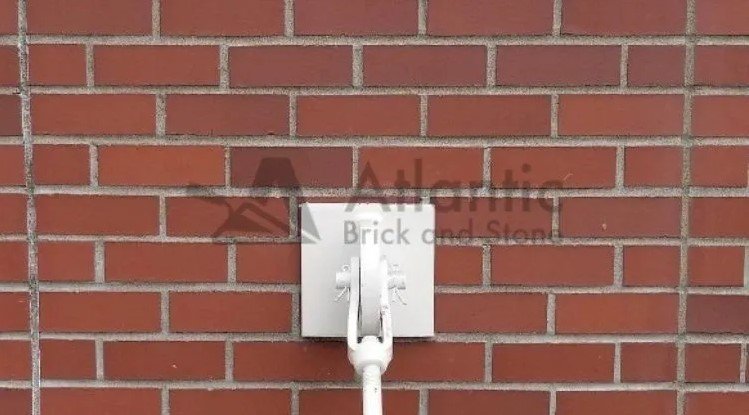
What Causes Bowing Brick Wall and How to Fix it? Bowing brick walls can be a cause for concern; unfortunately, they are a common problem in many older homes. Determining the underlying cause of damaged walls is essential to fix the issue properly. This article will discuss what causes bowing walls and how to fix them. Understanding why these issues appear and how to address them correctly can help bring your brick building back into shape before any structural damage occurs. Causes of Bowing Brick Walls A bowing wall is one that has curved or bowed outward and can be caused by several different factors. Poor Construction Techniques Poor construction techniques are one of the most common causes of bulging walls, as inadequate support or reinforcement can lead to stress on the wall, which then causes it to bow. In many cases, a damaged wall is caused by using low-grade bricks and cement that do not have the proper compressive strength to resist the forces acting on it over time. In addition, inadequate footings or foundation support, as well as inappropriate design and installation practices, can lead to bulging walls. Water Damage Another major cause of bulging brick walls is water seeping and moisture, which can cause significant damage if left untreated. Water seeping occurs when a crack or gap in the wall allows water to enter the bricks and cement. This water can then freeze in colder temperatures, forcing the cracks wider or loosening the mortar between bricks—this is called frost heaving. Moisture buildup inside the wall, such as from poor ventilation or plumbing leaks, can also result in bulging walls by weakening the cement or causing mold on brick surfaces, threatening its integrity over time. Poor Soil Conditions Naturally shifting or settling soil is one of the primary causes of bowing masonry walls. As weather changes cause the ground to contract and expand, this movement puts pressure on the foundation and can cause cracks in the wall as well as bowing outward. This type of damage is especially common in areas that experience extreme temperature variations between summer and winter. Moreover, if your home is built on unstable soils, it can also lead to this problem due to excessive weight being placed on them from within your home’s structure, such as furniture or heavy appliances. Signs of a Damaged Masonry Wall If you notice the following signs, you may need a professional brick repair service: Deterioration of mortar joints or bricks. Bulging or leaning walls. Gaps between bricks and mortar joints that are wider than normal. Methods to Fix a Bowing or Bulging Brick Wall There are several ways to repair the shearing wall. These may not straighten the walls but will prevent further damage. Carbon Fiber Straps Carbon fiber straps are an innovative way to repair bowed brick walls due to their flexible yet strong nature. The straps are designed to wrap around the wall, putting it under tension that helps pull the bricks back into place over time. When properly installed, carbon fiber straps will provide long-lasting support for your wall and prevent future problems from occurring again in the future. Wall Anchors Wall anchors are an ideal solution for shearing walls, as they provide a secure, long-term hold that keeps the wall intact and prevents further damage over time. They take the pressure off the wall by distributing it into the yard. These anchors consist of a threaded rod that is inserted into holes drilled into the cement between bricks and secured with nuts at both ends. The tension created by tightening the nuts pulls on either side of the wall, essentially fixing out any bowing while also reinforcing it against further pressure or movement. Helical Ties Helical ties may be the best option if your wall has bowed more than 2 inches. Helical ties are steel rods that are twisted and inserted into the mortar joints of a wall to provide extra stability and prevent further bulging. While this method is effective, it is also expensive; however, in many cases, it is the best choice for severely bowed walls. Hire a Mason to Repair Your Damaged Brick Wall If you want to restore or repair your damaged brick wall in Fredericton, call Atlantic Brick and Stone. Our experienced masonry team has the skill set to identify the cause of damage and offer the best solution. We have been serving the Fredericton region for over 15 years. Our team is well-versed in various masonry techniques, from traditional methods to modern technologies. We will work with you to determine how to repair your brick wall without compromising its structural integrity or aesthetic appeal. We also provide advice on more effective ways to protect your brick walls from future damage and deterioration. Contact us today! We’ll be happy to answer any questions about our masonry repair services and help you find the best solution for your needs. Get Your Brick Wall Repair Estimate Online Now! 506-304-0771 atlanticbrickandstone@gmail.com Request an Estimate

hardscaping errors
Uncategorized

Tips for Avoiding Hardscaping Errors

Tips for Avoiding Hardscaping Errors Hardscaping is the practice of paving a surface area for enhanced aesthetic and practical effects. For Fredericton homeowners, it can add value to a property while providing an attractive focal point. However, there are many mistakes to avoid when it comes to hardscaping, especially in areas with extreme weather like Fredericton. This article will provide tips on ensuring your outdoor project goes smoothly without costly errors. Common Hardscaping Mistakes Let’s discuss first the most common hardscaping errors: Inappropriate Materials Poorly chosen materials can quickly turn a beautiful outdoor living space into an eyesore. The material should be appropriate for the climate in which it will be installed. Different locations have different climates with varying levels of precipitation, temperature, and humidity that influence how various materials will fare over time. For example, concrete might be a good choice for a dry area but could crack in cold or wet climates due to freeze-thaw cycles. Depending on their location or use, some materials may require more maintenance than others. Poor Planning Unfortunately, lack of planning is a common hardscaping and landscaping mistake. Any hardscaping project requires careful planning and consideration of many different factors. Failure to plan sufficiently can lead to unnecessary delays or even budget overruns during the course of the project. If the design does not take into account existing landscape features or user needs, then it may not be as effective as originally intended. Issues such as soil composition, drainage concerns, size constraints, and time requirements all need to be evaluated before beginning work on a hardscaping project in order for it to be successful. Some simple steps can help ensure better results with hardscaping: Take time to evaluate the area where you’ll install your hardscape features. Measure carefully and make sure there’s enough room for all elements before you begin work. Create a design plan outlining your desired features and their placement and size requirements. Consider consulting an expert who can provide assistance in making sure all pieces fit together perfectly and meet local building codes or regulations if necessary. Improper Drainage Improper drainage can cause major damage to your property, including flooding and soil erosion, which can be expensive to repair. To avoid paying for costly repairs later on, it’s important to pay attention when planning your landscape design and ensure that proper drainage is considered. Good drainage relies on the slope of your yard to direct surface water away from your home and other structures. Suppose you don’t take this into account when designing a backyard project, such as installing patio pavers or retaining walls. In that case, you risk creating areas where water will pool instead of draining away properly. To avoid this mistake, make sure that any changes in elevation are done gradually so that water is not blocked from flowing downhill. Also, ensure enough outlets for excess water to escape so it doesn’t accumulate in low-lying areas of your property. DIY Projects DIY solutions are becoming increasingly popular for many home projects, and hardscaping is no exception. While the cost savings may be tempting for some, it’s important to understand that this type of work should not be done without professional assistance. Attempting to do hardscaping yourself can lead to a number of costly mistakes. The most common mistake when attempting DIY hardscaping is not working with a landscape professional with the experience and expertise to create an aesthetically pleasing result. DIYers overlook potential issues such as drainage problems or soil erosion, which can cause long-term damage if left unchecked. Steps for Best Hardscaping Here are some steps you should follow for the best hardscaping project. Research and Plan To avoid hardscaping mistakes, it’s important to research and plan carefully before beginning any project. Start with a sketch of what you’d like your outdoor space to look like. This will help you form a clear vision outlining the design elements needed to achieve the desired result. Research materials available on the market and their qualities so that you know which one will best suit your needs. Also, take note of how much ground clearance is needed for each material type so that your plans won’t be hindered by existing features or obstacles, such as trees or underground utility lines. Hire Professional Hardscaping Services Hiring a professional for hardscape installation is one of the best ways to ensure your project is done correctly. Professional masonry contractors will have the necessary skills and tools to ensure that your hardscape design meets all safety requirements and regulations. They can advise on the best materials for your project and help you select colors and textures that work in harmony with the surrounding environment. Get the Right Warranty Remember to get the right warranty for masonry work from the contractor to ensure all work will be done according to code and quality standards. Get Your Expert Hardscape Installation Estimate Online Now! 506-304-0771 atlanticbrickandstone@gmail.com Request an Estimate

Repairing Brick Mortar
Uncategorized

Step by Step Instructions for Repairing Brick Mortar

Step by Step Instructions for Repairing Brick Mortar Brick walls, brick homes, and brick fireplaces are all beautiful features to have in a home. However, if the mortar holding the bricks together starts to deteriorate, then repairs need to be done. Fortunately, if you follow the right steps and have the correct supplies, you can make any wall look brand new again by fixing its mortar joints. Let’s discuss each and every step. Reasons of Mortar Damage There are several reasons that can cause mortar damage, such as foundation settlements, expansion and contraction, and improper support over openings. Foundation settlements occur when the soil beneath the foundation shifts or erodes away, causing the structure to sink. Expansion and contraction of the building materials due to changes in temperature and humidity can also lead to mortar damage. Improper support over openings such as windows or doors can cause stress on the surrounding mortar joints which may lead to cracking or crumbling. Using too much water during mixing of the mortar can weaken its strength and cause it to crack or crumble over time. It is important for homeowners to inspect brickwork regularly for any signs of mortar damage in order to prevent further deterioration of a structure. What is Mortar Repointing Mortar repointing is a process of repairing the joints of masonry with cement. This process is used to restore the structural integrity and aesthetic appearance of stone, brick, and block walls. The mortar used in repointing must be matched to the existing mortar as closely as possible in order to maintain a consistent look. The process involves removing the old mortar from the joints and replacing it with new cement-based mortar. The new mortar must be mixed properly and applied carefully so that it bonds well with the existing masonry. Once complete, the repointed wall should look like new and will be much stronger than before. It can also help to prevent water damage by ensuring that water does not enter through cracked or missing joints. Mortar Repair Benefits Mortar repair is a great way to improve the structural integrity of your property. It can help protect against the elements by keeping out moisture and other weather-related damage, while also helping to maintain curb appeal. It can also help minimize regular maintenance costs, as it helps to keep the structure in good condition for longer periods of time. Additionally, it can help prevent further damage from occurring, which can be especially beneficial in areas that experience extreme weather conditions. All in all, mortar repair offers many benefits that are worth considering when making repairs to your property. Step-by-Step Instructions Do you have expertise in masonry repair? Here are some steps to repair mortar of brickwork. Gather the Necessary Materials Gathering the necessary materials is the first step in repointing brickwork. You will need a brick trowel, a bucket, a wire brush, joint cleaner or degreaser, and mortar mix. Once you have these supplies on hand, it’s time to begin. Remove the Old Mortar Now it is time to remove all old damaged mortar with either a pointing trowel or grinder depending on how much needs to be removed. Make sure to wear protective gear and safety glasses as dust particles can be hazardous when inhaled. Next, use the wire brush on any remaining debris in the joints around your brick wall or structure. Make sure you remove all dust from these areas, then use a trowel to apply joint cleaner or degreaser over these areas so that they are clean and ready for repair. Prepare the New Mortar Now it’s time to prepare the new mortar. This involves mixing together cement, sand, and water in the correct proportions, as specified by the manufacturer. It’s important to use quality materials for this step, as this will ensure that the mortar will have a strong bond with the bricks and last for many years. Once all of the ingredients are mixed together, it should be left to rest for a few minutes before being applied. After that, it can be used to fill in any gaps or cracks in the brickwork, using a trowel or float. Make sure that the mixture is pressed firmly into place and smoothed over so that there are no air pockets or voids between the mortar and bricks. Apply the New Mortar Applying the new mixture is essential for a successful repair job. It’s important to begin by filling in vertical and horizontal joints. Make sure to fill each gap completely, as this will ensure that the mortar adheres properly and creates a strong bond between the bricks. However, avoid overfilling as this can lead to an uneven surface. Finish Up the Repair Job The repair job of brick mortar is almost complete, but there’s still one last step to finish up the job. This involves using a brush to lightly brush over the newly placed mortar, ensuring that it is level and evenly distributed. You may also need to use a trowel to smooth out any rough edges or uneven areas. Once this is done, you can then clean up any excess mortar from around the bricks and seal the area with a sealant or protective coating. Doing this will help protect your brickwork from further damage and ensure that your repairs last for years to come. Contact Professionals for Mortar Repair DIY small jobs can be great for saving money, however, when it comes to mortar repair it is best to contact a professional. Atlantic Brick and Stone is a professional masonry repair service in Fredericton that can help you with your repair needs. We have years of experience and the tools needed to get the job done right the first time. We have highly trained professionals who know how to properly fix the damaged mortar so that it will last for many years. You can contact us for free estimates so that you can get an idea of what the cost of your

types of stone
Uncategorized

8 most popular types of stone for house exteriors

8 most popular types of stone for house exteriors The exterior of a house is the first thing that visitors see. Finding the right stone to achieve a desired aesthetic can be a difficult process, but it doesn’t have to be. There are several options to consider when choosing a stone for your home exterior.  To help make the decision process a bit easier, this article will take a look at the 8 most popular types of stone for house exteriors. Benefit of Using Stone for Exterior House Stone is a popular choice of building material for many homeowners when it comes to their exterior house. It’s easy to see why: stone can offer many benefits in terms of durability, beauty, and versatility. As an exterior material, stone can last decades with minimal upkeep and maintenance. This makes it ideal for those looking to maintain their home without much effort. Stone has the benefit of being aesthetically pleasing. Its variety of colors, textures, sizes, and shapes make it highly customizable. Homeowners can find a look that best suits their taste. Stones offer great versatility; not only is it suitable for walls or other outdoor structures like pathways or patios, but also interior applications such as kitchen counters or fireplace surrounds. All these qualities combined make stone one of the most sought-after materials for outdoor masonry projects. Types of Stones There are two main categories of stone: Natural Stone and Manufactured Stone. We will discuss all the types that come in these two categories. Limestone Limestone is one of the most popular types of natural stone in the world. It is a sedimentary rock that has a clastic texture, meaning it is composed of grains or fragments of other rocks. It can range in color from light gray to dark gray. Limestone is an exceptionally weather-resistant material, renowned for its durability and strength. While limestone does corrode over time, this corrosion is superficial and won’t affect the structure of the stone. This resistance to erosion makes it an ideal choice for a range of applications, particularly in areas exposed to harsh weather conditions, such as walkways or patios. Limestone is a low-maintenance building material. It is long-lasting and one of the most cost-effective options available today. It requires minimal upkeep, so you don’t have to worry about costly repairs or replacements. Its natural beauty also makes it ideal for hardscaping and landscaping projects, such as patios and walkways where a permanent durable look is needed. Granite Granite is a type of natural stone that has been used for centuries in home and commercial construction projects. It is one of the hardest stones available and is incredibly strong and durable, making it an ideal choice for many applications. Granite is also unique compared to other natural stones, as it comes in a variety of colors and patterns. The color options for this stone type are often more vibrant or dynamic, allowing homeowners to get creative with their design choices. Granite can be cut into any shape or size required for a project, adding to its versatility. This makes it possible to use granite for interior projects such as countertops, flooring, and stairs. It is also a good choice for outdoor walls or hardscapes such as patios or walkways. Slate Slate is a type of foliated metamorphic rock that is commonly found in areas with volcanic activity. It has been used for centuries as a material for roofing and flooring due to its hard, weather-resistant nature. It is an attractive option due to its ability to be cut easily into thin sheets while maintaining strength and durability. Slate can come in many different colors, ranging from shades of green, red, black, and brown depending on the region it was formed in. Its high versatility makes it an ideal choice for home renovations or construction projects. Additionally, slate can also be used outdoors as pathways or stairs because it’s strong enough to withstand extreme temperatures and inclement weather conditions. Sandstone Sandstone is a type of clastic sedimentary rock composed of sand-sized particles. It is commonly found in marine and desert environments. It can vary greatly in color, texture, and composition depending on the environment it originated from. Sandstone typically has a light hue, ranging from bright whites to yellow, pink, tan, or orange colors due to its quartz-rich makeup. It is formed over time when grains of sand are cemented together by natural minerals such as iron oxide or silica. The minerals act as a glue that binds the grains together. Sandstone has been prized for centuries by masonry contractors for its beauty and durability. It is relatively easy to cut and shape into blocks suitable for construction projects both large and small. Travertine Travertine is a tough stone that’s perfect for patios, interior and exterior walls, and counters. It’s very durable and easy to install. It comes in different colors, from light ivory to deep reds and browns, making it perfect for creating unique designs. The beauty of travertine lies in its variation. Each piece is uniquely patterned, with large holes, ridges, and veins that give the stone a distinctive look. It can be cut into almost any shape or size, making it very versatile when it comes to designing outdoor spaces or interior walls. Travertine is not only aesthetically pleasing but also highly resistant to weathering, making it safe to use outside without fear of deterioration over time. Quartzite Quartzite is a natural stone made up of metamorphic rock and is known for its toughness. It comes in shades of white or off-white, making it well-suited to many different types of home decorating. Quartzite is perfect for flooring, walls, stairs, fireplaces, and more. It’s naturally hard, so it can withstand heavy use without showing any signs of wear. Quartzite has impressive heat resistance, making it great for kitchen countertops or other areas exposed to high temperatures. The unique veining often found in quartzite also adds interest and texture to any design

GET STARTED

START MASONRY PROJECT THE RIGHT WAY

Create stunning structures with our residential and commercial masonry services in Fredericton. From meticulous designs to the completed build, our process is professional and rewarding, and we can’t wait to build your dream with you.

Atlantic Brick and Stone, one of the best masonry contractors in Fredericton, NB

Contact

8 Muskie Street, Lower Kingsclear, New Brunswick E3E 0E7, Canada

Scroll to Top